
Why figuring out what is wrong with your chicken is harder than it should be

You notice one of your chickens standing alone in the run.
She is puffed up, quiet, and ignoring mealworms.
So you Google it.
Twenty minutes later you have 14 open tabs, four conflicting home cures, and more panic than when you started.
The issue is not a lack of advice. It is relevance.
Chickens are prey animals. Biology forces them to mask illness until their reserves are almost gone. When outward symptoms appear, keepers naturally turn to the internet:
A puffed hen could be egg binding, coccidiosis, crop stasis, molt, or heat stress. Generic search gives you 10 theoretical diseases with zero physical check sequence.
Passionate keepers share what cured their bird. But what worked for a hen in Michigan can harm a dehydrated bird in Texas.
Replies recommend remedies like force-feeding vinegar or oil before anyone asks basic physical questions like whether her crop is full or flat.
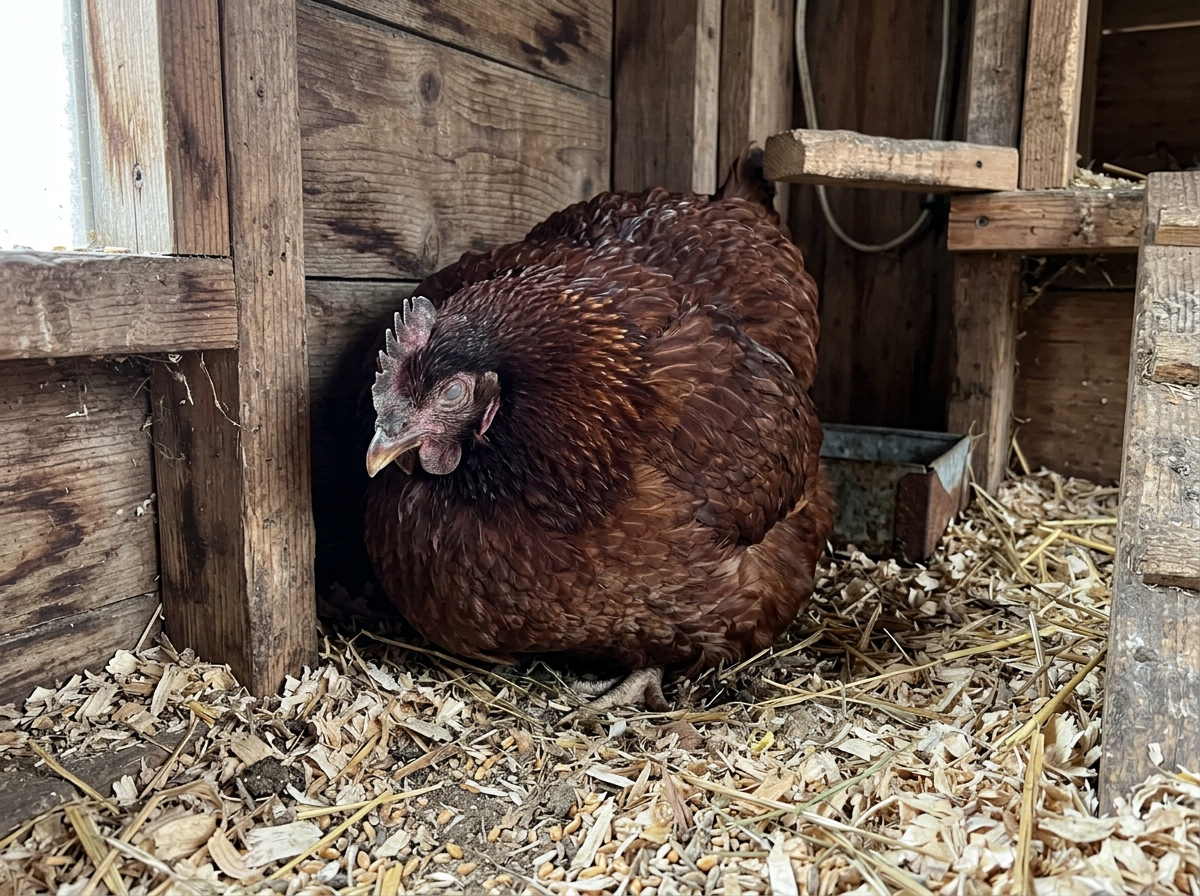
Systematic triage replaces internet panic.
Avian vets do not guess from a photo. They follow a sequence: feel the crop at dawn, inspect droppings on cardboard, evaluate comb circulation, and check breathing.
Flockline brings that exact diagnostic sequence into your pocket. Describe what you see, and Hennie asks the exact questions a vet would ask:
Unlock veterinary triage guides, symptom tracking, and coop records with your 3-day free trial.
Start 3-Day Free Trial →