
Hardware Cloth Mesh Size: 1/2 Inch vs 1/4 Inch for Chicken Coops
Quick facts
| Recommended Mesh Size | 1/2-inch opening (19-gauge wire) for run walls, windows, and vents |
|---|---|
| Finer Mesh Option | 1/4-inch opening for lower panels where weasels or snakes exist |
| Wire Gauge Thickness | 19-gauge (thicker) for 1/2″ mesh; 23-gauge for 1/4″ mesh |
| Key Predator Defense | Raccoons, hawks, foxes, owls, rats, and digging dogs |
| Ventilation Impact | 1/2″ mesh retains 75% open area; 1/4″ mesh reduces airflow by ~40% |
Quick Answer: Most backyard chicken keepers use 1/2-inch 19-gauge hardware cloth for chicken coop run walls and window vents because it stops raccoons, hawks, foxes, and dogs while allowing optimal ventilation. Step down to 1/4-inch mesh on lower wall panels and buried dig aprons if weasels, mice, or small snakes are a confirmed threat in your area.
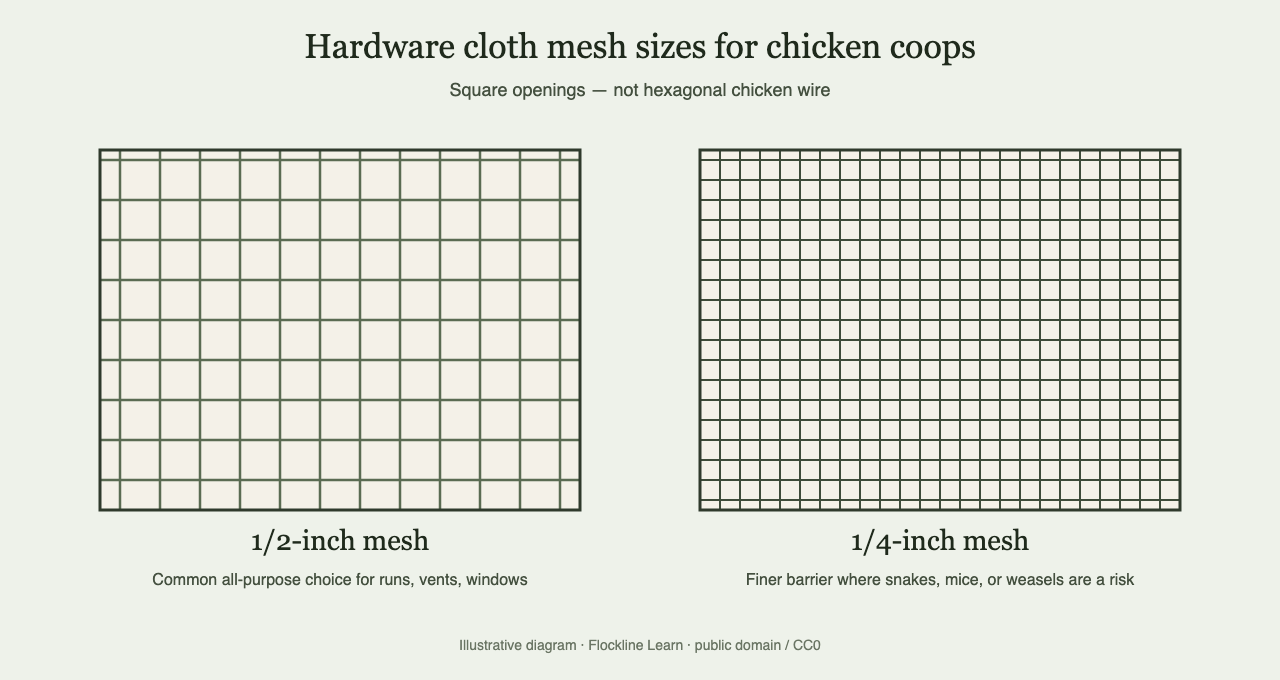
1. The Core Differences: 1/2-Inch vs 1/4-Inch Mesh
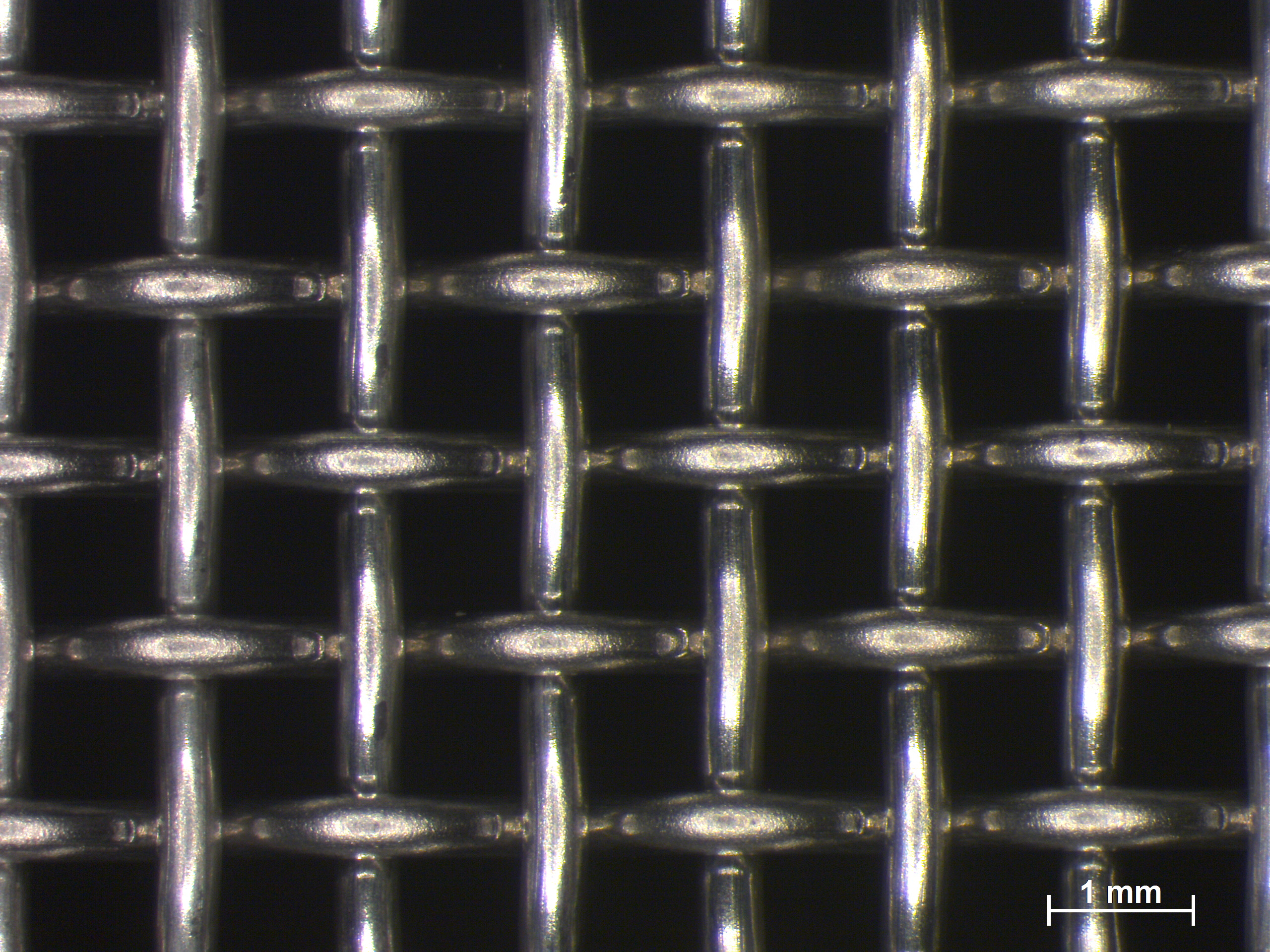
Hardware cloth is a rigid, welded steel wire mesh designed to protect coop openings from predators. Unlike chicken wire, which can be twisted open by raccoons or chewed through by rats, hardware cloth maintains structural integrity under force.
When deciding between 1/2-inch and 1/4-inch mesh, the primary tradeoff is wire thickness versus opening size:
- 1/2-Inch 19-Gauge Mesh: The standard choice for 90% of backyard coops. The 19-gauge steel wire is thick enough to withstand raccoon pulling forces while preserving maximum airflow for winter ventilation.
- 1/4-Inch 23-Gauge Mesh: Features much smaller square openings that block juvenile mice, weasels, and small garter or corn snakes. However, the thinner 23-gauge wire can rust faster in damp ground contact unless vinyl-coated.
2. Chicken Wire vs Hardware Cloth Comparison
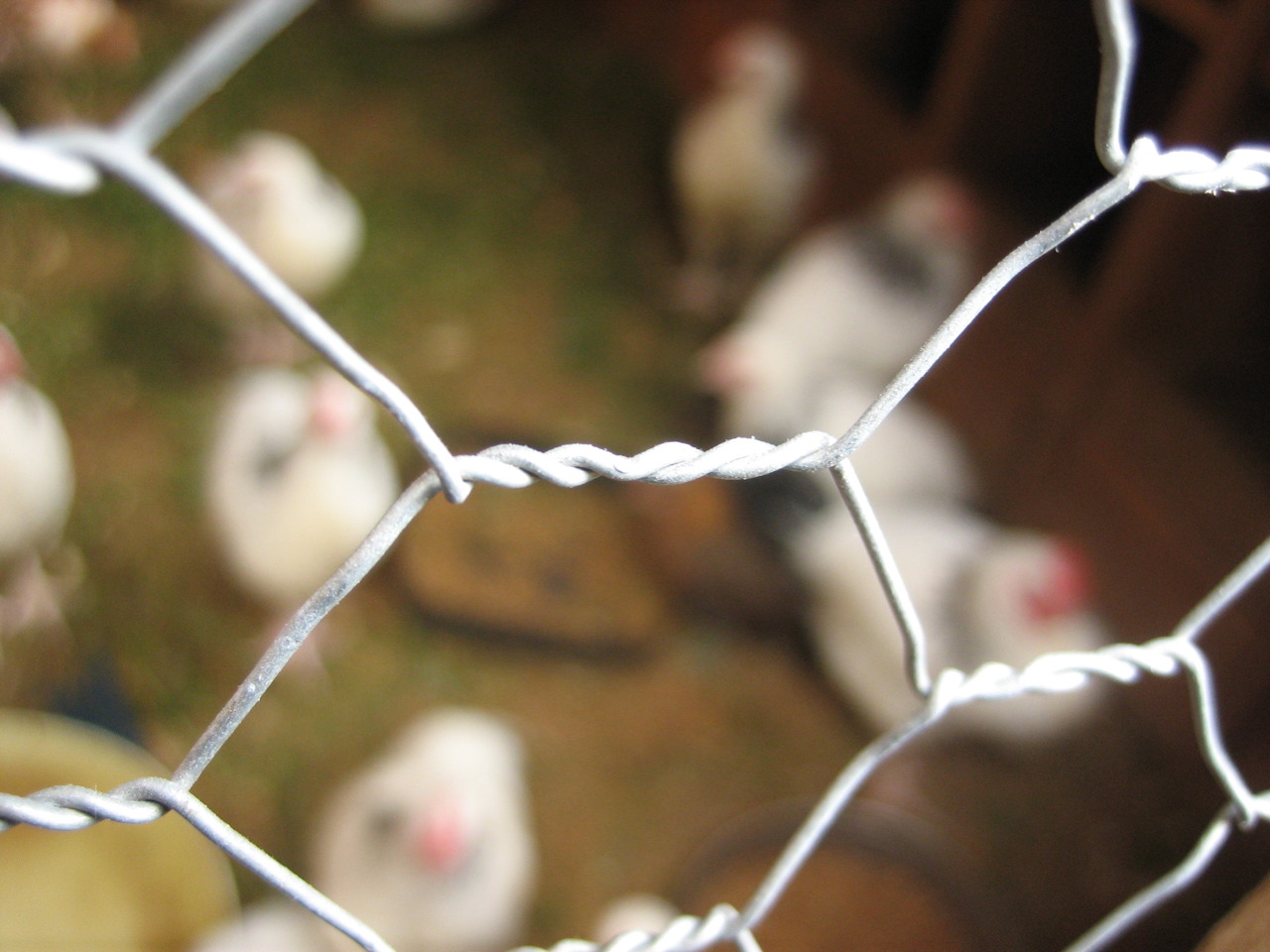
Hexagonal chicken wire (poultry netting) was engineered to contain domestic chickens within a perimeter—not to keep wild predators out. Adult raccoons can easily reach through 1-inch chicken wire or pull the soft wire twists apart.
Frequently Asked Questions
Can mice get through 1/2 inch hardware cloth?
Adult mice generally cannot fit through 1/2-inch mesh, but juvenile mice can squeeze through. If rodent control is a priority around feed storage, use 1/4-inch mesh.
Will 1/4 inch hardware cloth block coop airflow?
Yes, 1/4-inch mesh reduces free ventilation area by up to 40%. Ensure high-level eaves have sufficient total opening size when using 1/4-inch wire.
Sources and references
- NC State Extension: Keeping Garden Chickens (Housing Defense).
- University of Georgia Extension: Small-Scale Poultry Housing (Publication B1317).