
Hardware Cloth for Chicken Coops: Mesh Size, Install, and Dig Aprons
Quick answer
When evaluating hardware cloth vs chicken wire predator proof options, hardware cloth is the clear winner for flock safety. Chicken wire only keeps chickens contained. Raccoons, foxes, and dogs can easily tear through chicken wire or reach through the large hexagonal holes. To stop predators, install half-inch welded wire hardware cloth on all coop windows, vents, and run walls. Bury the hardware cloth in an outward-facing skirt around the perimeter to block digging predators. Secure the wire using heavy-duty staples and washers rather than standard poultry staples. Observe the perimeter weekly for signs of digging or bent wire. Proper installation stops night predators before they reach your birds.
Quick facts
| Best mesh for most coops | 1/2-inch square hardware cloth (galvanized steel mesh / welded wire mesh) |
|---|---|
| Finer option | 1/4-inch where snakes, mice, rats, or weasels are a known pressure |
| Typical gauge | Sturdy rolls often marketed around 19-gauge for 1/2-inch mesh (lower number = thicker wire; check the label) |
| Predators it targets | Raccoons, foxes, dogs, weasels/mink, opportunistic diggers, when fastened to solid framing |
| vs chicken wire | Chicken wire (hex poultry fencing) keeps birds in; it is not a reliable exterior predator barrier |
| Dig apron | Buried barrier / predator apron typically 12-24 inches outward (more in high-pressure areas) |
| Where to use it | Vents, windows, coop run walls/roof, fan ports, gates, buried barriers |
| Lifespan | Often many years if galvanized quality is good; inspect for rust, broken welds, and soft edges seasonally |
If you searched for hardware cloth for chicken coop builds, you are usually solving one of three jobs: covering windows and vents, wrapping the coop run, or installing a buried barrier (predator apron) so foxes and dogs cannot dig under. Ordinary “chicken wire” keeps birds in; it does not reliably keep raccoons, foxes, weasels, or dogs out.
Hardware cloth planner
Rough roll estimate for wrapping a rectangular run. Planning aid only: confirm roll sizes with your supplier and buy extra for overlaps.
What is hardware cloth (and why it matters for coops)
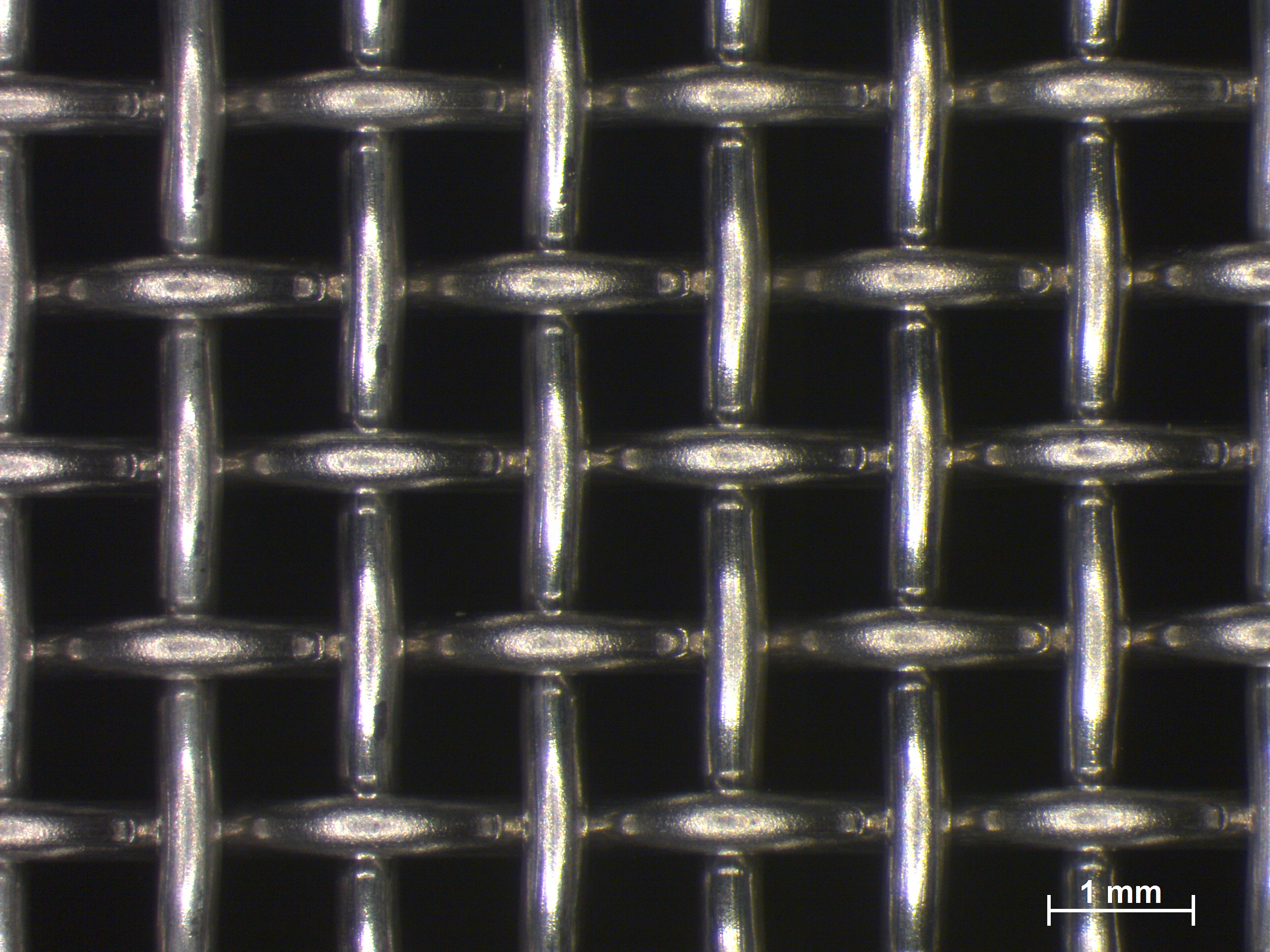
Hardware cloth is welded or woven wire mesh with square openings, usually sold in galvanized or vinyl-coated rolls (sometimes labeled aviary mesh or poultry fencing when openings are small enough). For backyard poultry, it is the default material for any opening a predator could reach: windows, vents, fan ports, run walls, and gaps under doors.
Predators test soft spots. Raccoons pull and peel. Weasels and mink squeeze through gaps that look “too small.” Dogs and foxes dig. Hardware cloth for a chicken coop works because the openings are small and the intersections stay rigid when fastened to solid framing.
- Use it for: vents, windows, run panels, dig aprons, and any “temporary” opening that will stay open overnight.
- Do not rely on: thin hexagonal poultry netting, plastic netting, or a few zip ties as primary fasteners outdoors.
- Pair it with: solid wood or metal framing, screws and washers (or fencing staples into solid stock), and a plan for chicken coop ventilation so predator-proofing does not trap moisture.
What size hardware cloth for a chicken coop?
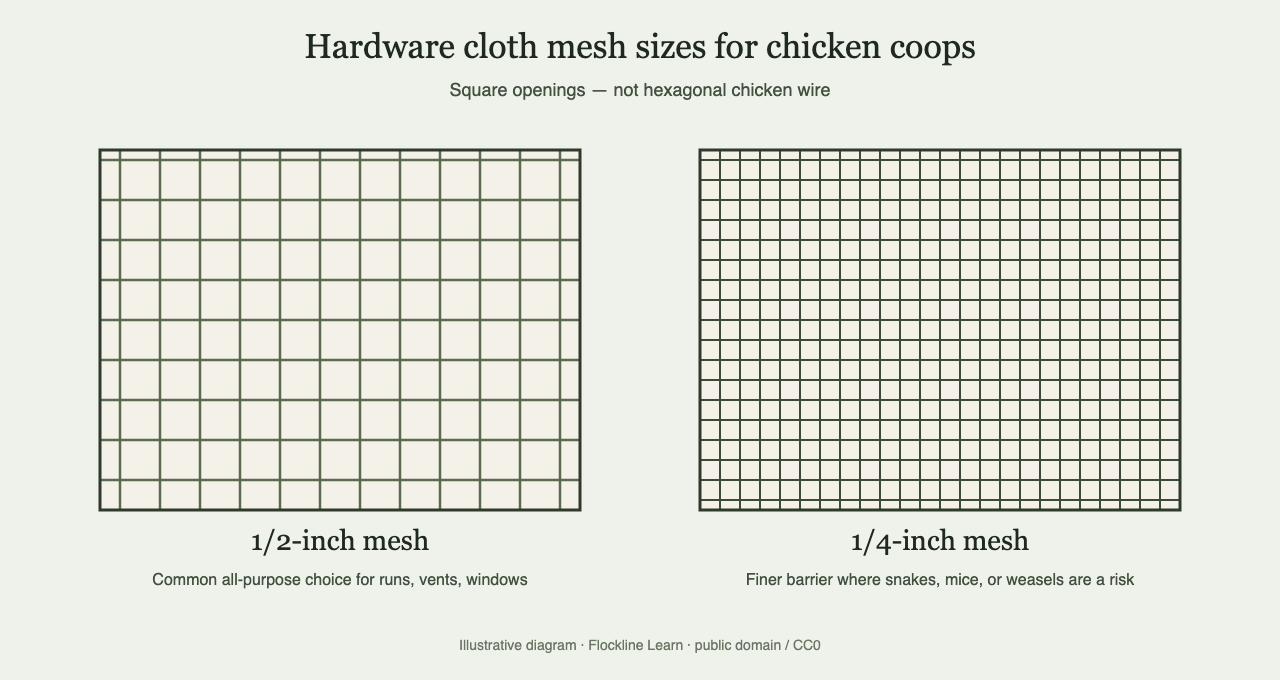
Mesh size is the opening between wires. For most backyard coops in North America, keepers choose between 1/2-inch and 1/4-inch square mesh.
See it in context
University of Kentucky’s UKNOW coop-design video is a clear visual companion while you plan mesh on openings and framing. Match opening size and fasteners to your build, not the thumbnail.
1/2-inch mesh
- Best default for runs, windows, and most vents.
- Blocks raccoons’ hands and most medium predators when fastened tightly.
- Easier to cut and fasten than finer mesh; slightly better airflow per opening.
1/4-inch mesh
- Better where snakes, mice, rats, or small weasels are documented problems.
- Useful on lower walls, vent intakes near the ground, and chick areas.
- Heavier to work with and can clog with dust faster, plan cleaning.
Gauge (wire thickness)
Gauge numbers run backwards: a lower gauge number means thicker wire. For hardware cloth on a chicken coop, look for sturdy rolls (often marketed around 19-gauge for 1/2-inch mesh; always check the product label). Flimsy “hardware cloth” that bends like foil will not stop a determined raccoon.
- Prefer: galvanized after welding (or quality galvanized woven), rigid feel, square openings.
- Be cautious of: ultra-cheap thin rolls, large openings sold as “poultry fencing,” and anything that flexes easily between welds.
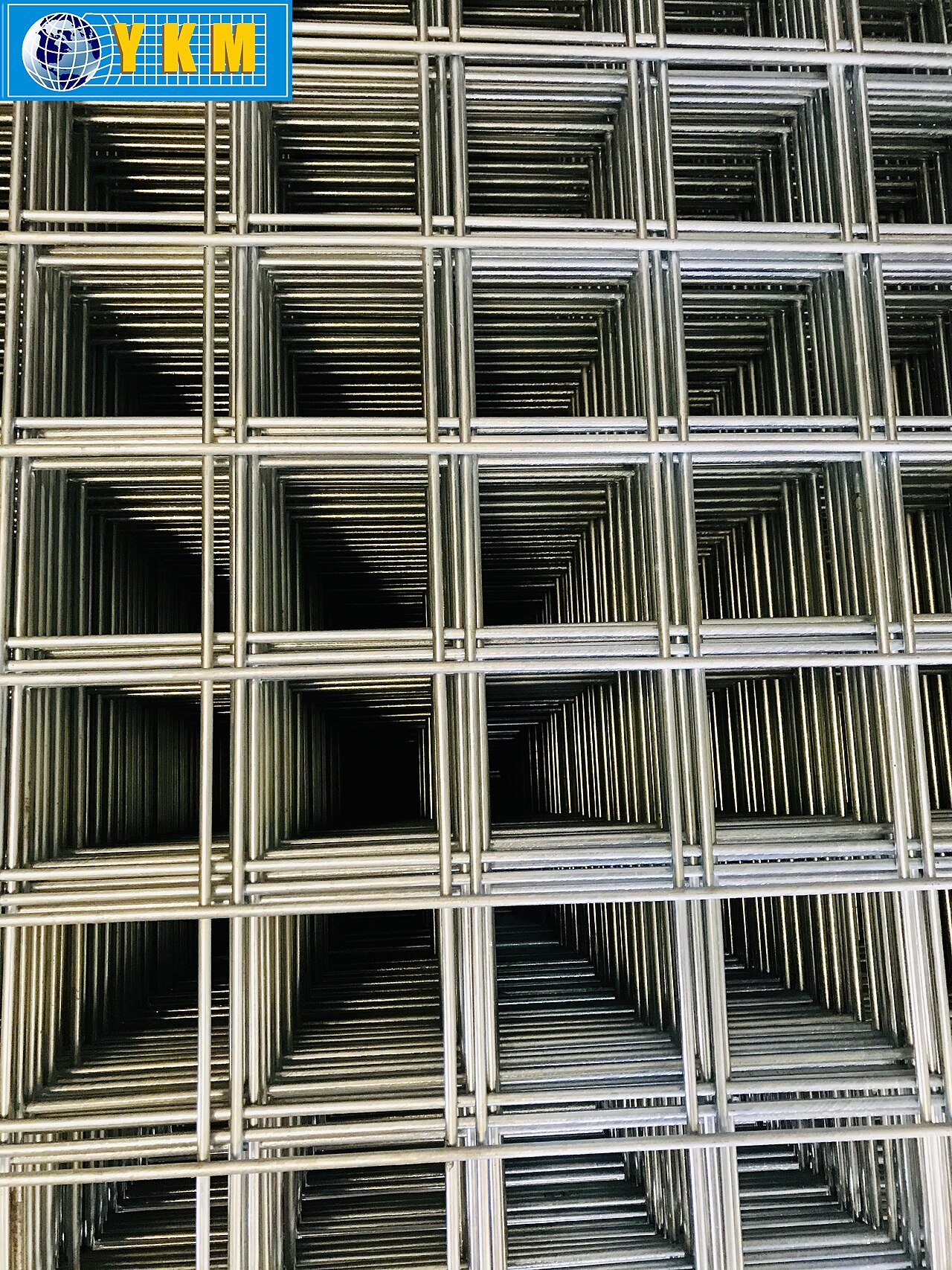
Rule of thumb: cover every opening larger than a chick can squeeze through, including soffit gaps, fan ports, and the space under poorly fitted doors.
Chicken wire vs hardware cloth
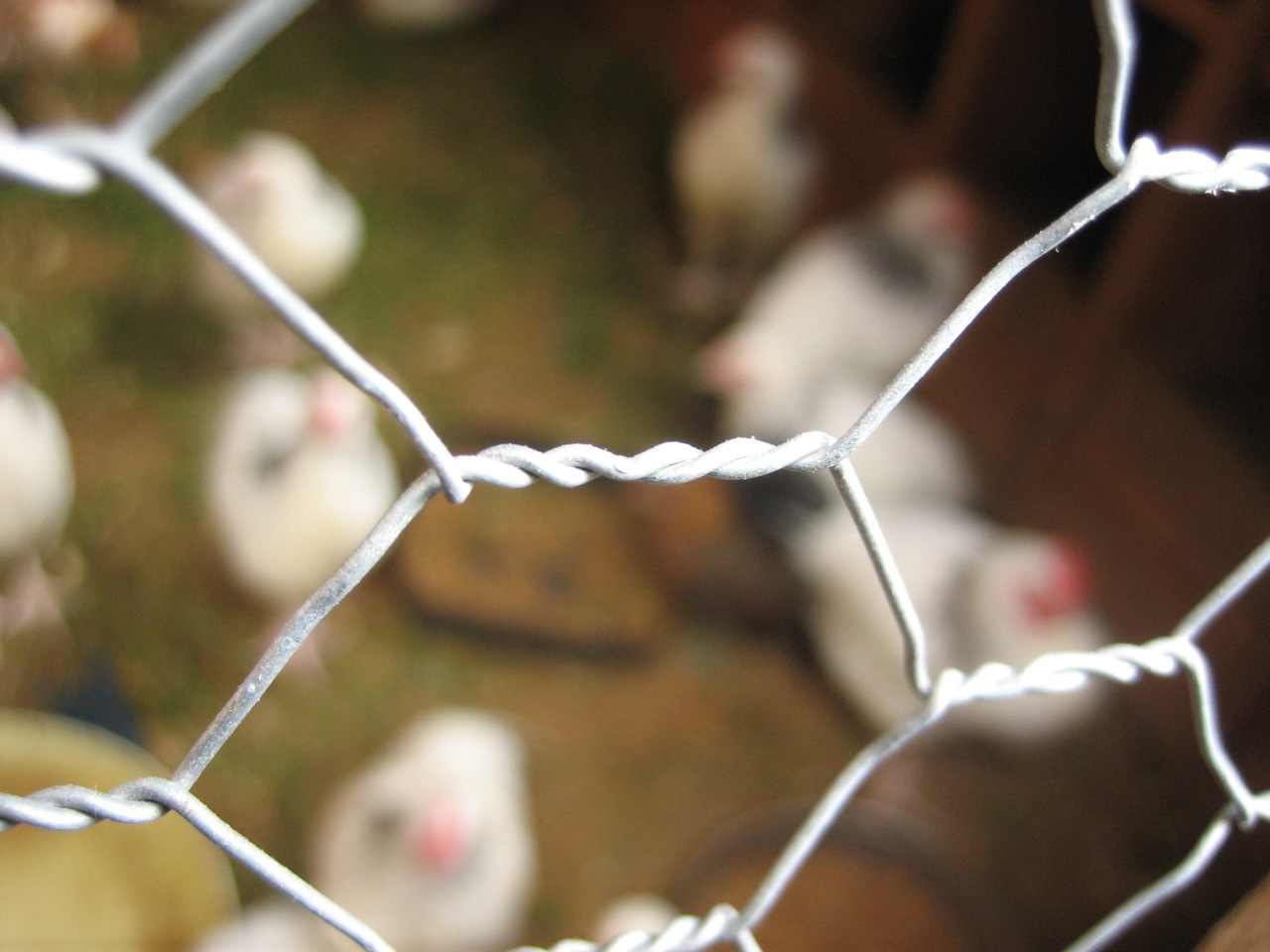
This is the most common (and costly) mix-up in backyard coop building.
| Feature | Chicken wire | Hardware cloth |
|---|---|---|
| Shape | Hexagonal, soft | Square, rigid |
| Main job | Contain birds / light garden use | Exclude predators |
| Raccoon resistance | Poor, pulls open | Good when fastened well |
| Best use on a coop | Internal dividers only (optional) | All exterior openings and run panels |
Many “something got in last night” stories start with chicken wire stretched over a vent or window. If the opening faces the outdoors, use hardware cloth for the chicken coop, not poultry netting.
How to install hardware cloth (that actually holds)
Material choice fails when fasteners fail. Predators probe edges, corners, and seams.
Progress saves in this browser. Print this page or download the PDF for a paper copy.
For a full run wrap: stretch mesh tight, fasten top and bottom rails, then add mid-rail support on tall panels so the mesh cannot be pushed into a “belly.”
Dig apron: stop predators from tunneling under
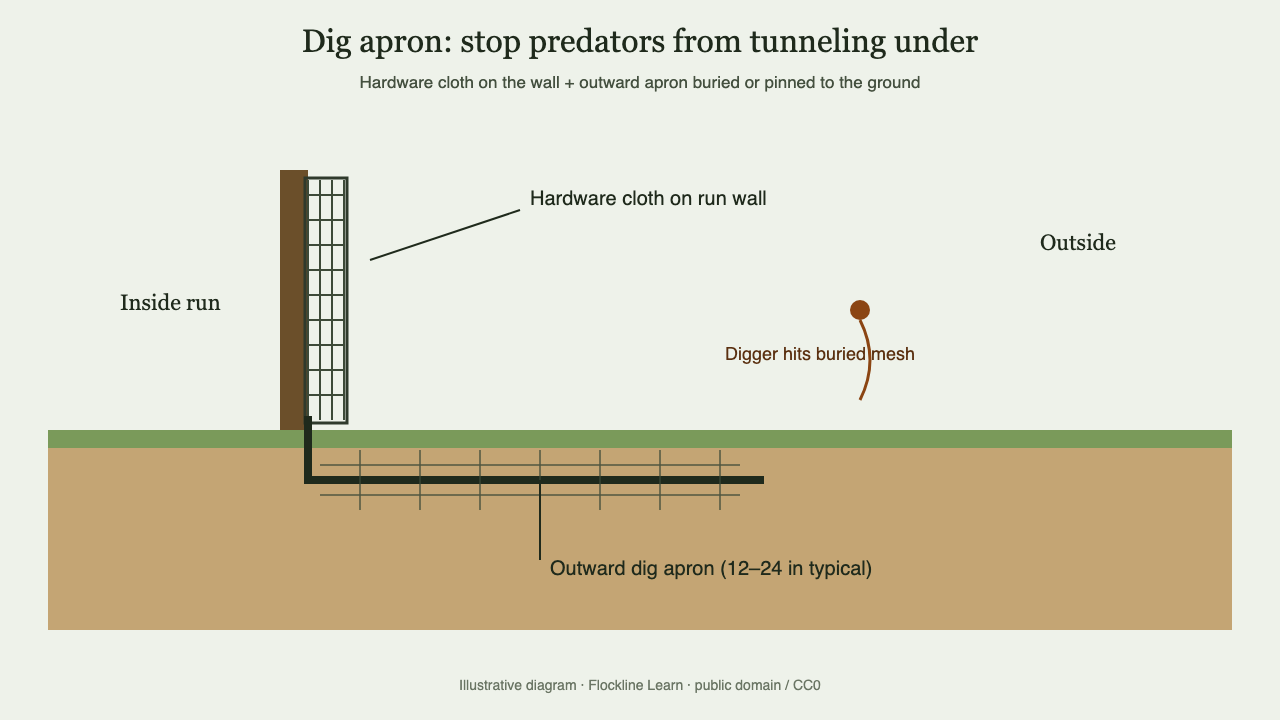
Wall mesh alone does not stop diggers. Foxes, dogs, and other predators often go under the fence line. A dig apron (also called a skirt or buried barrier) extends hardware cloth outward from the base of the run.
Typical apron approach
- Attach hardware cloth to the bottom of the run wall with no gap at grade.
- Bend an L outward along the ground (commonly about 12-24 inches; more in high-pressure areas).
- Bury the apron a few inches under soil/mulch, or pin it firmly with landscape staples and cover it so birds and people do not trip.
- At corners, overlap apron pieces; diggers love corner gaps.
Some keepers bury mesh vertically as a trench barrier instead of an outward apron. Either method can work if there is continuous coverage and no soft gap where mesh meets posts.
Vents, windows, and openings (predator-proof without choking airflow)
Predator-proofing and ventilation are the same project. Seal every opening with hardware cloth, then make sure high vents still move moist air out. A sealed winter coop with wet bedding is a different kind of problem.
- Cover gable, ridge, and eave vents with hardware cloth on the outside or in a framed sandwich so animals cannot pry edges.
- Keep roosts out of a direct wind path; use high openings for air exchange.
- If you add adjustable winter covers, the mesh stays permanently; you only reduce opening size, you do not remove the barrier.
- Fan ports and automatic door gaps need the same treatment as windows.
For airflow strategy (where to place vents, how to check ammonia), see chicken coop ventilation.
Gates, doors, and pop doors
Gates are where many coops fail. A solid door with a soft gap underneath is an invitation.
- Threshold: close the gap under human gates and chicken pop doors with a sill, brush seal, or mesh skirt that still allows the door to operate.
- Latches: use two-step or predator-resistant latches; raccoons open simple slide bolts.
- Mesh on gate frames: fasten hardware cloth to the gate itself with the same washer/screw standard as walls; do not leave a soft wire flap.
- Hinges: check that hinge-side gaps are too narrow for a weasel (finer mesh helps on small gaps).
Common mistakes
- Using chicken wire as the predator layer.
- Zip ties alone on exterior openings.
- Skipping the dig apron where diggers are active.
- Leaving soft edges predators can peel.
- Covering vents without a ventilation plan.
- Ignoring nest-door and latch gaps.
Expert tips (practical, not veterinary)
Educational construction tips synthesized for backyard keepers, not a veterinary credential claim.
- Do a night audit with a flashlight at predator height and at grade after any sighting.
- Keep a short spare panel + washer pack so a damaged edge gets fixed the same day.
- When upgrading an old coop, replace the worst soft opening first (usually a vent or gate gap), then expand outward.
- Pair mesh work with space planning via the chicken coop size calculator so you are not buying rolls twice after a redesign.
Decision guidance: which mesh where?
- Default run + windows + vents: 1/2-inch hardware cloth, sturdy gauge, washer-fastened.
- Known weasel / snake / heavy rodent pressure: 1/4-inch on lower walls, ground vents, and chick areas.
- Diggers present (fox, dog): add a 12-24 inch dig apron or trench barrier with continuous corners.
- Gates: same mesh as walls + predator-resistant latch + closed threshold.
- Never for exterior nights: chicken wire alone on vents, windows, or run panels.
Maintenance: keep the barrier honest
Hardware cloth is not set-and-forget. Plan a short monthly check:
- Look for rust holes, broken welds, and chewed corners.
- Retighten loose screws; replace missing washers.
- Clear debris from fine mesh so vents still breathe.
- Walk the apron line after heavy rain or freeze to thaw cycles.
- After any predator sighting, inspect at night height and ground level with a flashlight.
Replace panels that have stretched into soft spots. Patching with a smaller overlapping piece of the same mesh is fine if fasteners and overlap are solid.
Sizing the whole coop (space + protection)
Predator mesh is only one layer of a healthy coop. Birds also need enough indoor and run space, dry bedding, and nest capacity.
- Use the chicken coop size calculator for rough indoor and run space before you buy rolls of mesh.
- Plan nest capacity with how many nesting boxes per chicken, then predator-proof the nest-box wall openings the same way as windows.
- Keep ventilation openings high and screened so ammonia does not build overnight.
FAQ: hardware cloth for chicken coop
What size hardware cloth for a chicken coop run?
Most keepers use 1/2-inch hardware cloth for run walls and roofs. Step down to 1/4-inch where snakes, mice, or weasels are a known issue, especially on lower panels.
Is 1/2-inch hardware cloth small enough?
For raccoons, dogs, and foxes, well-fastened 1/2-inch mesh is the usual standard. If you have confirmed weasel or snake pressure, prefer 1/4-inch on vulnerable openings.
Can I use chicken wire under hardware cloth?
You can, but it is usually wasted effort. Hardware cloth alone, properly fastened, is the barrier. Chicken wire alone is not enough for exterior openings.
How far should a dig apron extend?
Many backyard setups use about 12-24 inches outward. High-pressure sites may need more. Continuity at corners matters as much as width.
Should hardware cloth go on the inside or outside of the frame?
Outside is usually better so predators cannot pry mesh away from the frame as easily. Some builders sandwich mesh between layers. Either way, edges must land on solid wood and be washer-fastened.
Will hardware cloth block ventilation?
It reduces free area slightly but should not replace your vent plan. Size openings for airflow, then screen them. Details: chicken coop ventilation.
What gauge hardware cloth should I buy?
Buy the heaviest practical mesh that still fits your budget and tools. If the roll bends too easily in your hands, it is too light for raccoon pressure.
Sources and further reading
- NC State Extension: Keeping Garden Chickens in North Carolina
- University of Georgia Extension publication B1317
- eXtension poultry resource hub (poultry.extension.org)
- Flockline Learn related guides linked in this article.
- Community patterns synthesized from public backyard-poultry discussions; individual forum URLs are not cited because they rot and anecdotes vary.
Next steps
- Audit every opening larger than a chick, vents, fans, eaves, pop doors, and gate thresholds.
- Replace chicken wire on exterior openings with hardware cloth for the chicken coop.
- Add or repair the dig apron.
- Confirm space and nests with the coop size calculator and nesting boxes guide, then keep air moving with planned, screened vents.