

Housing & Predators
Tips for Protecting Chickens from Predators
Perimeter defense specifications, hardware cloth gauge, and night predator deterrents.
Visual reference guides, diagnostic flowcharts, predator-proofing diagrams, and printable triage references for backyard flock keepers.
Evidence-based charts, triage algorithms, and anatomical diagrams. Click to expand or download high-resolution printable versions.
Perimeter defense specifications, hardware cloth gauge, and night predator deterrents.
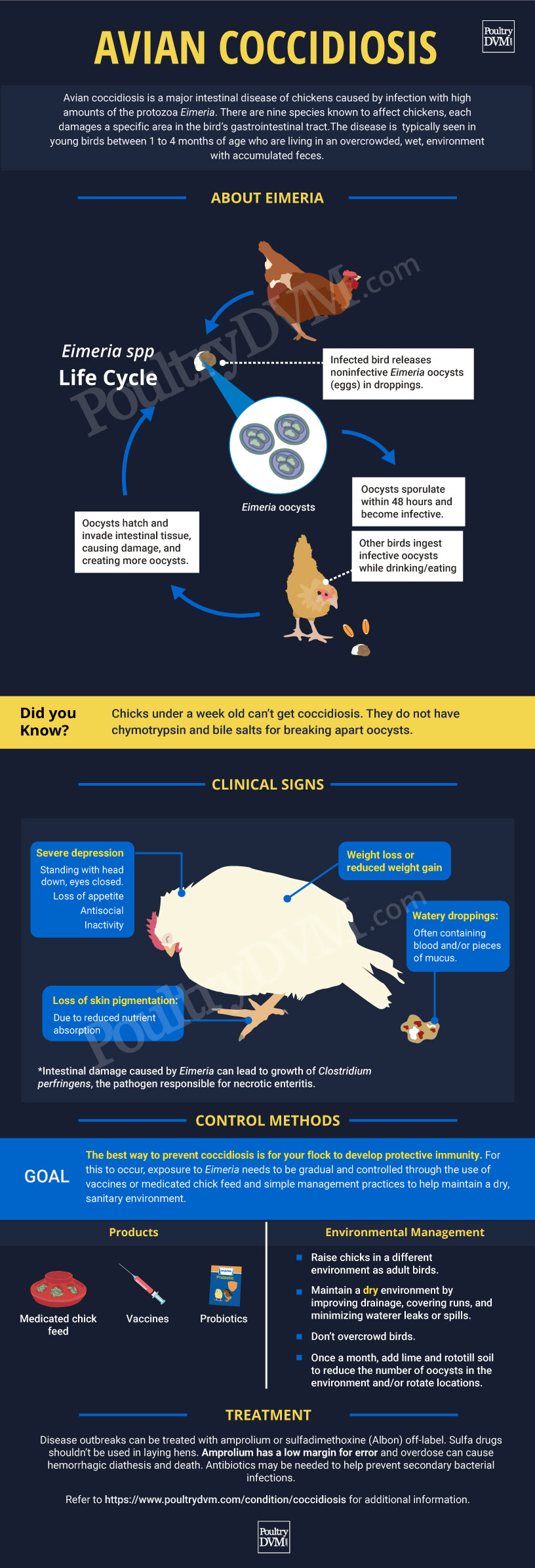
Visual life cycle of Eimeria oocysts, intestinal damage stages, and early clinical signs.
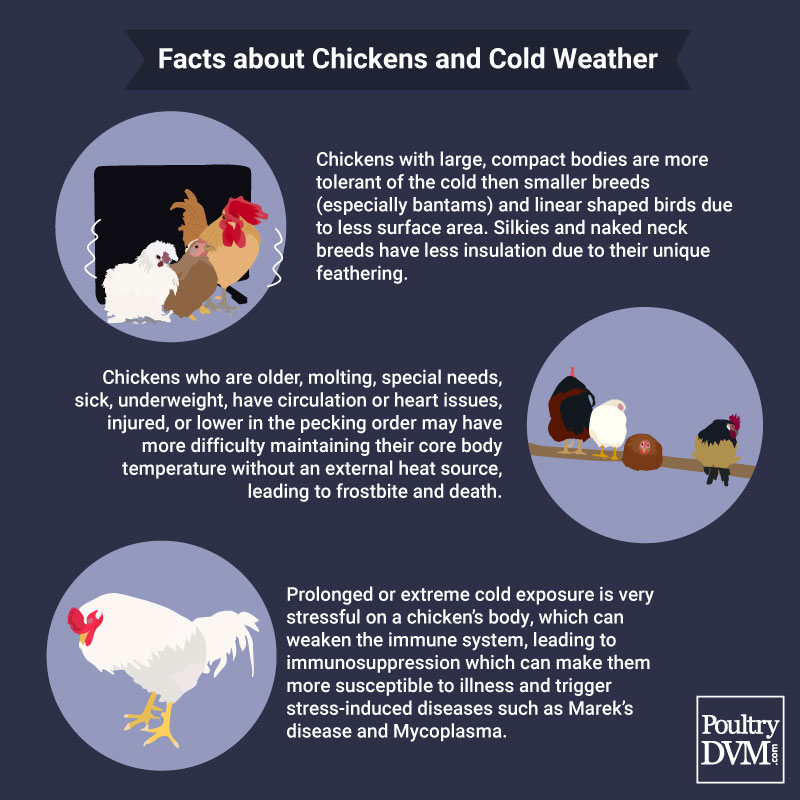
Cold tolerance benchmarks, frostbite prevention on combs, and winter ventilation rules.
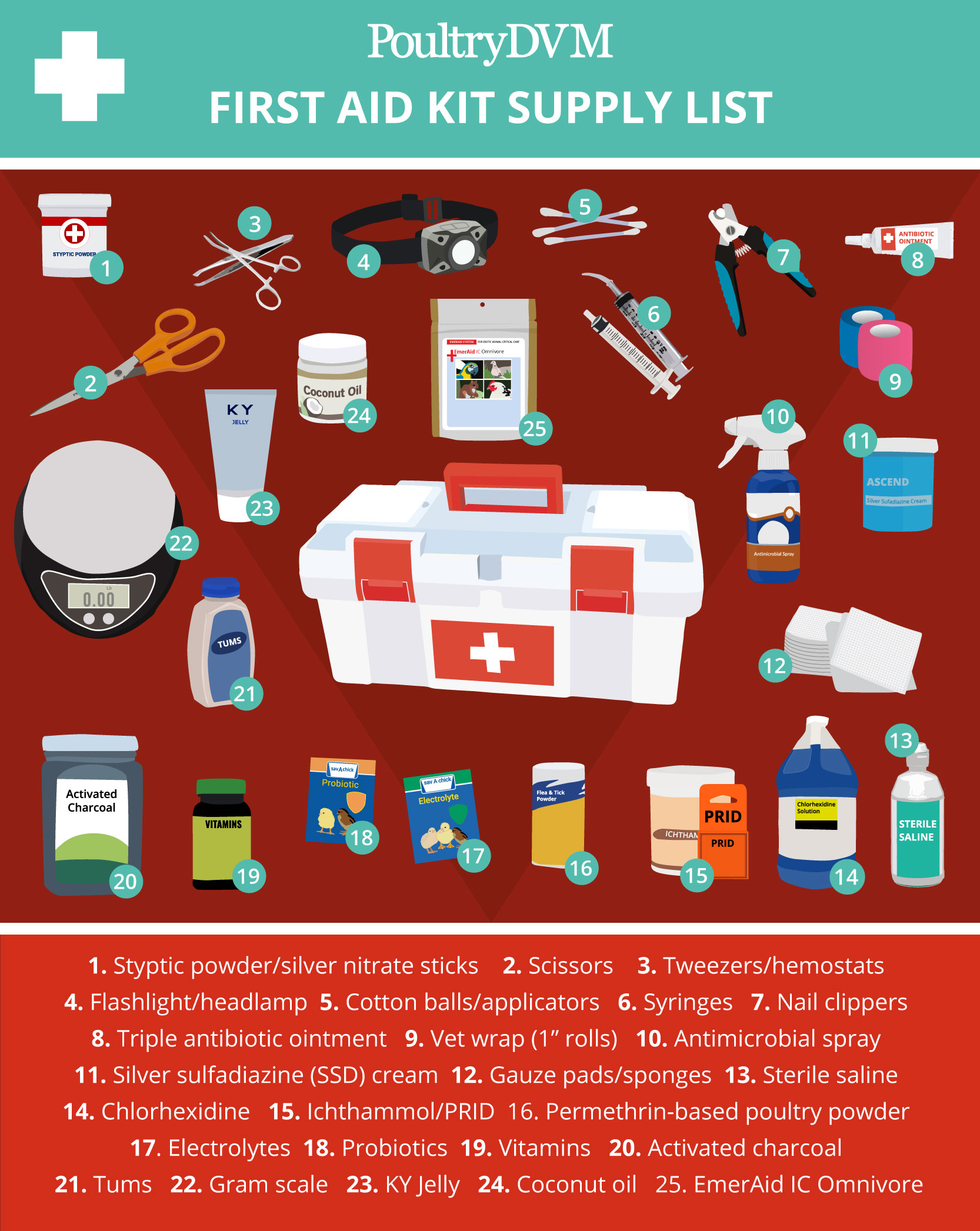
Comprehensive emergency kit list including styptic powder, gauze, vet wrap, and electrolytes.
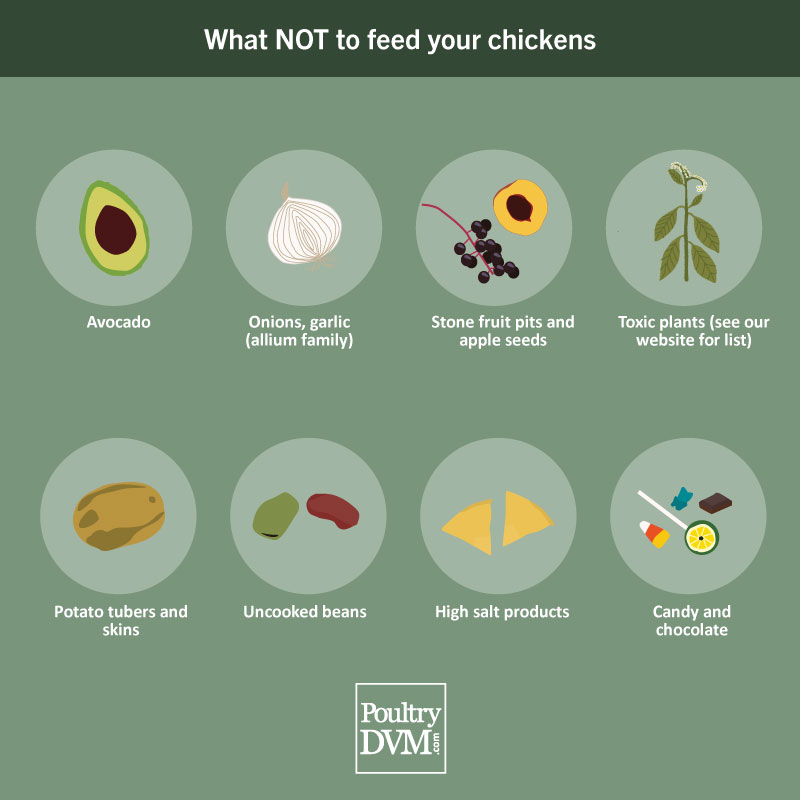
Backyard hazards including raw dry beans, avocado pit, raw potato peelings, and toxic greens.
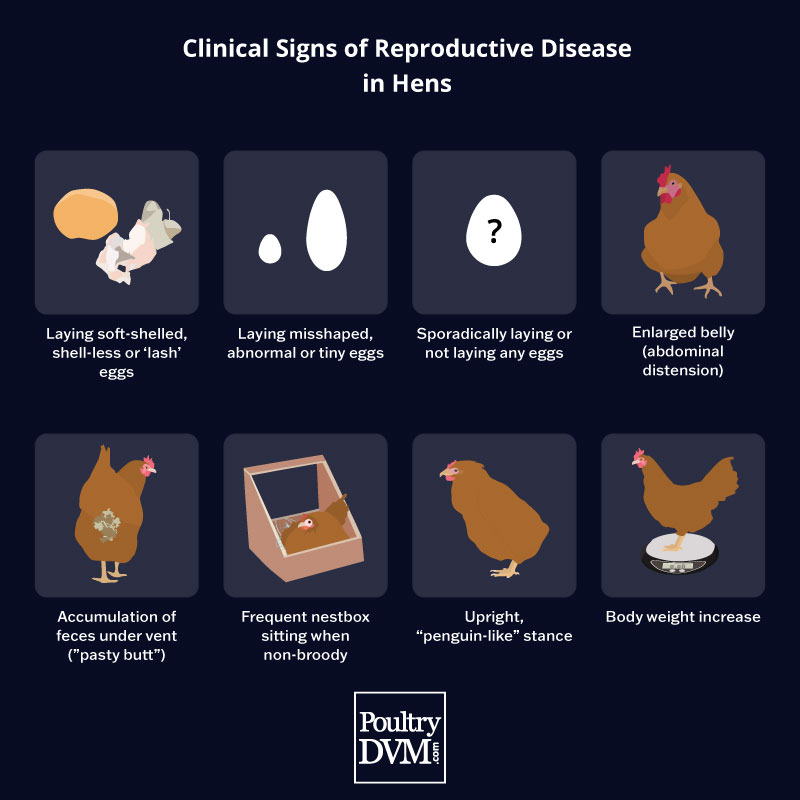
Visual signs of egg yolk peritonitis, salpingitis lash eggs, and cloacal prolapse.
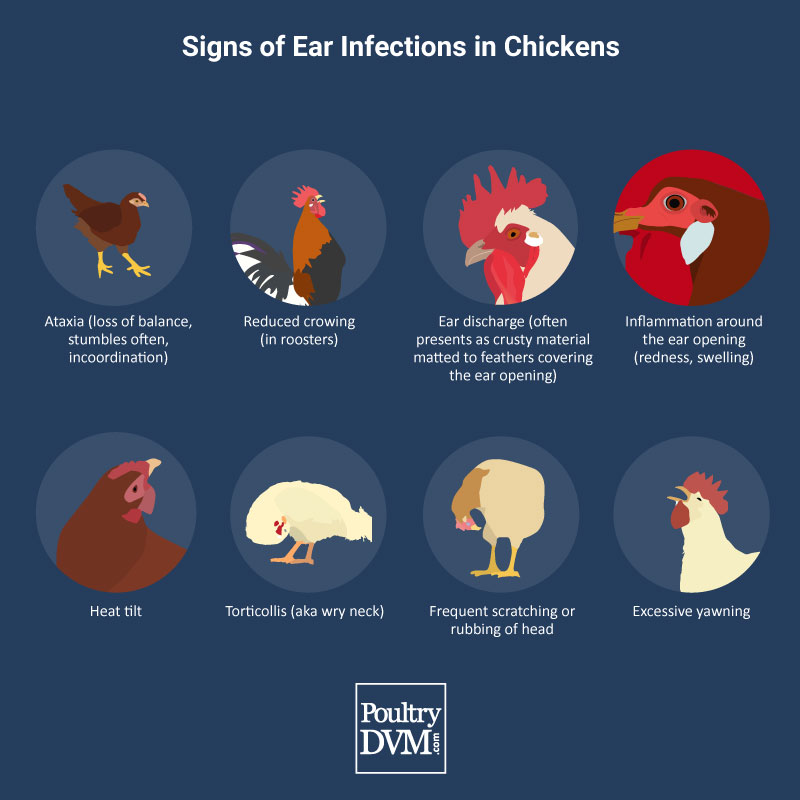
Head tilting, scratching at ears, and cheesy exudate identification in poultry ears.
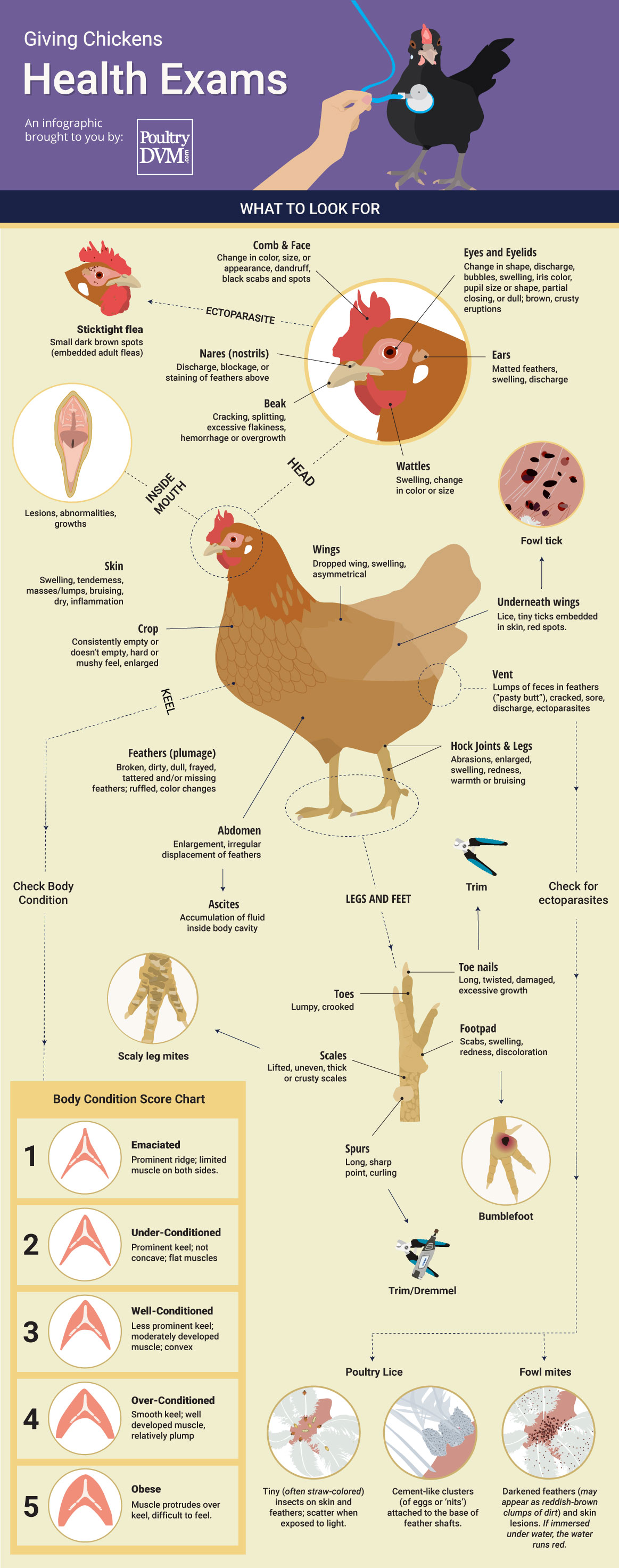
Step-by-step physical exam from comb, eyes, and crop down to abdomen, vent, and foot pads.
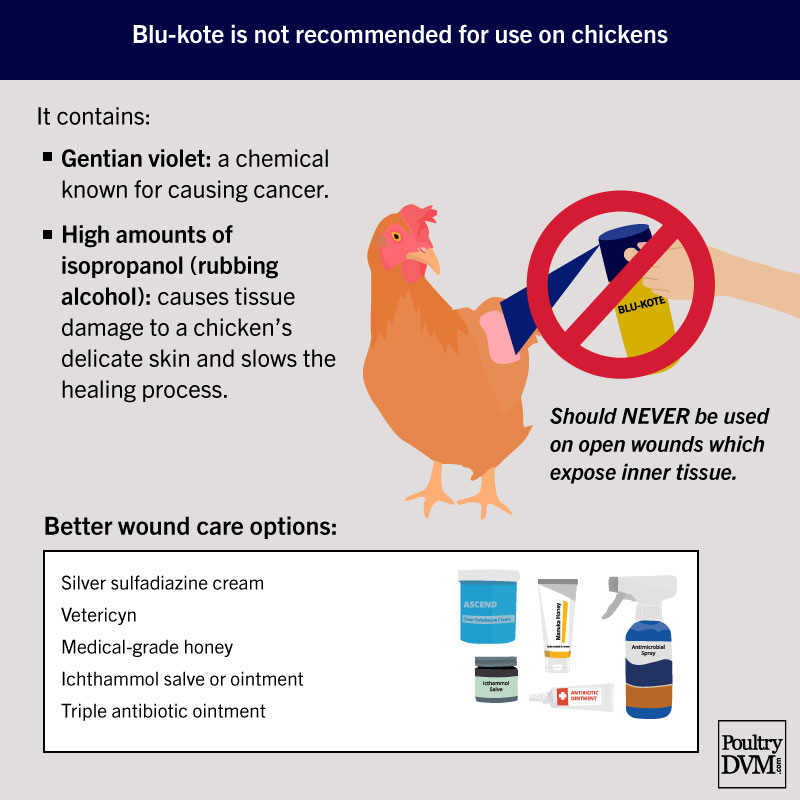
Gentian violet antiseptic spray guidance for disguising red blood spots from flock pecking.
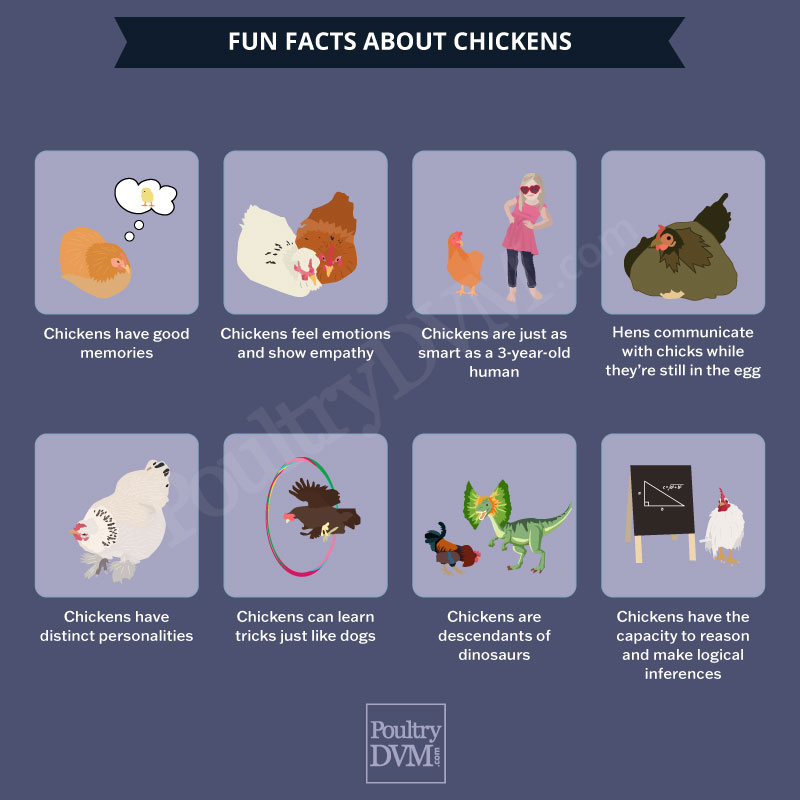
Interesting flock communication, REM sleep patterns, and color vision capabilities in chickens.
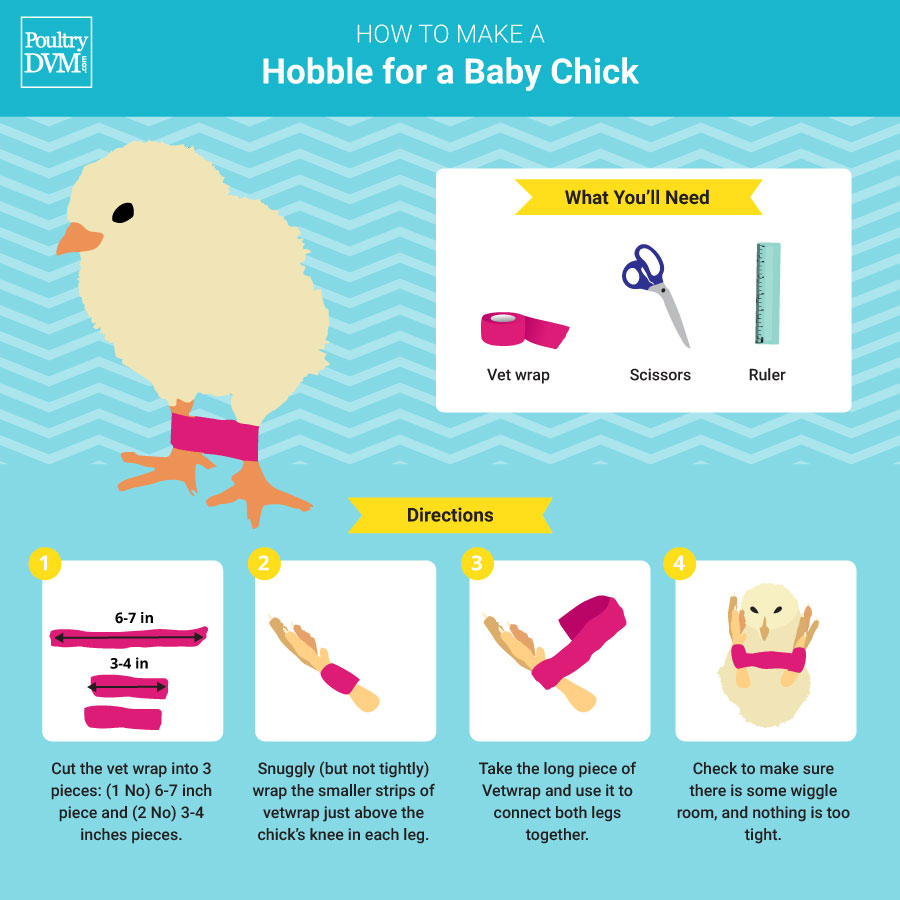
Correct placement of vet wrap and tape splints to correct splay leg / spraddle leg in chicks.
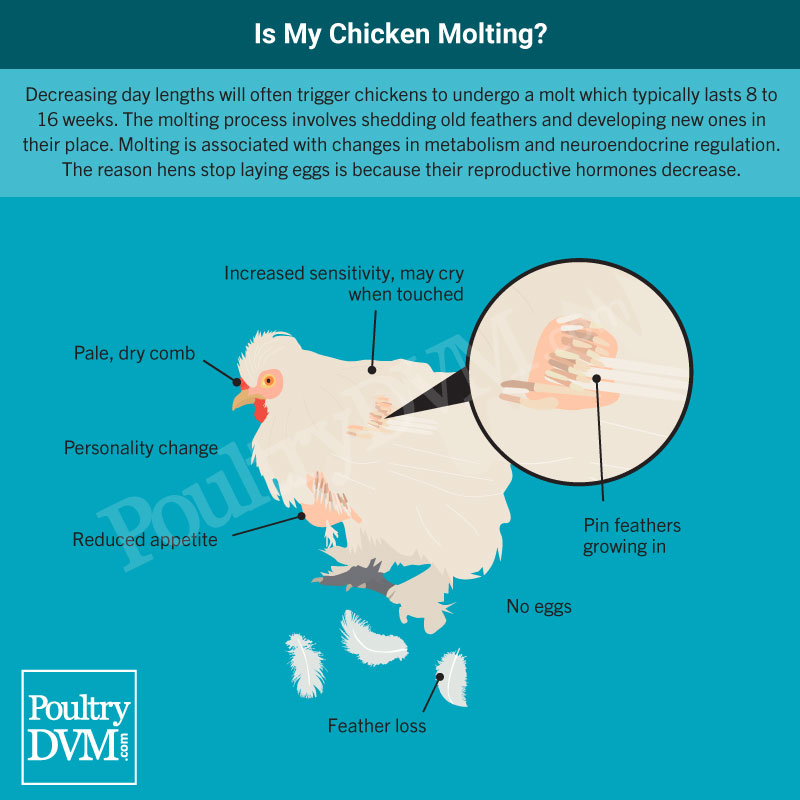
Distinguishing annual autumn feather molting from feather pecking or mite infestations.
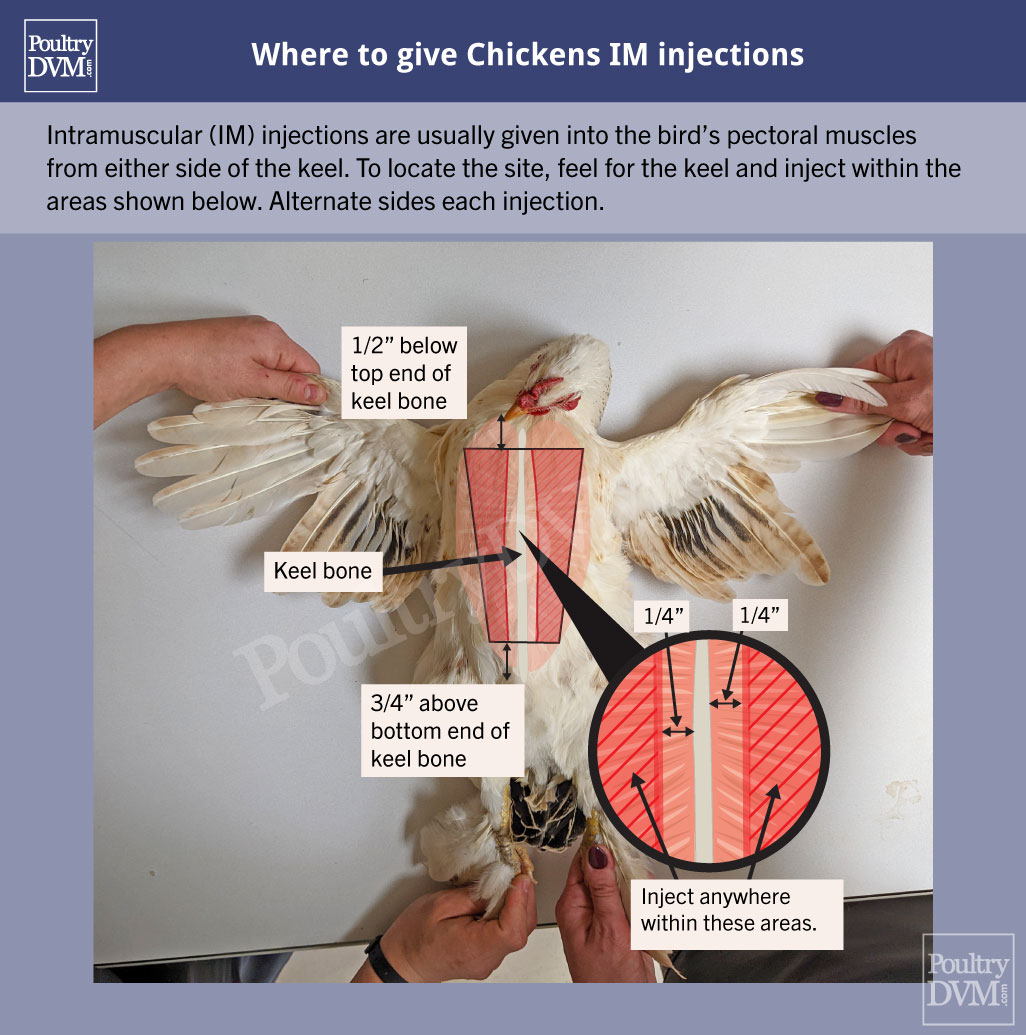
Safe pectoral muscle injection zones avoiding the keel bone and vital organs.
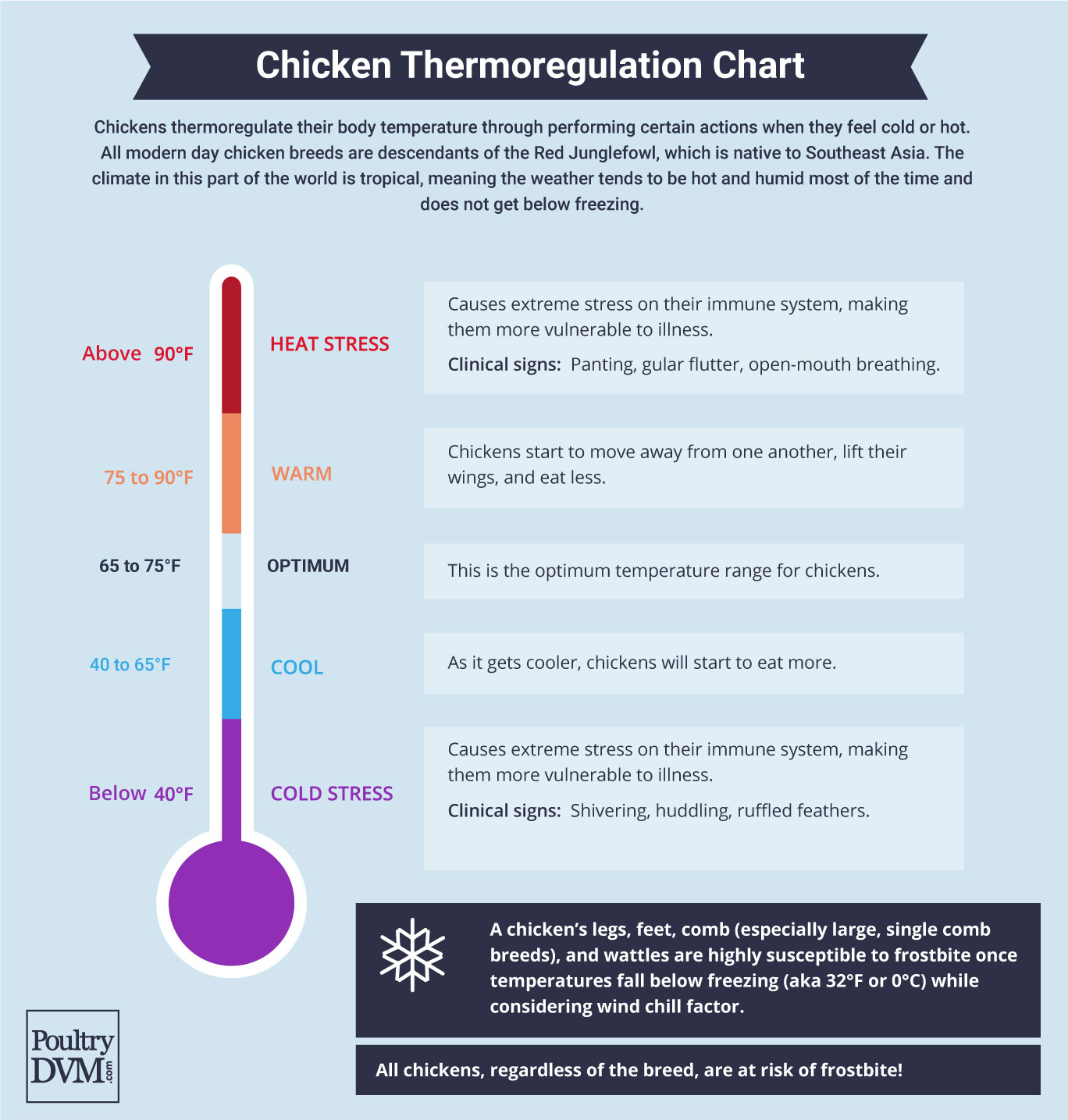
Safe temperature zones, panting onset, heat stress danger zones, and emergency cooling.
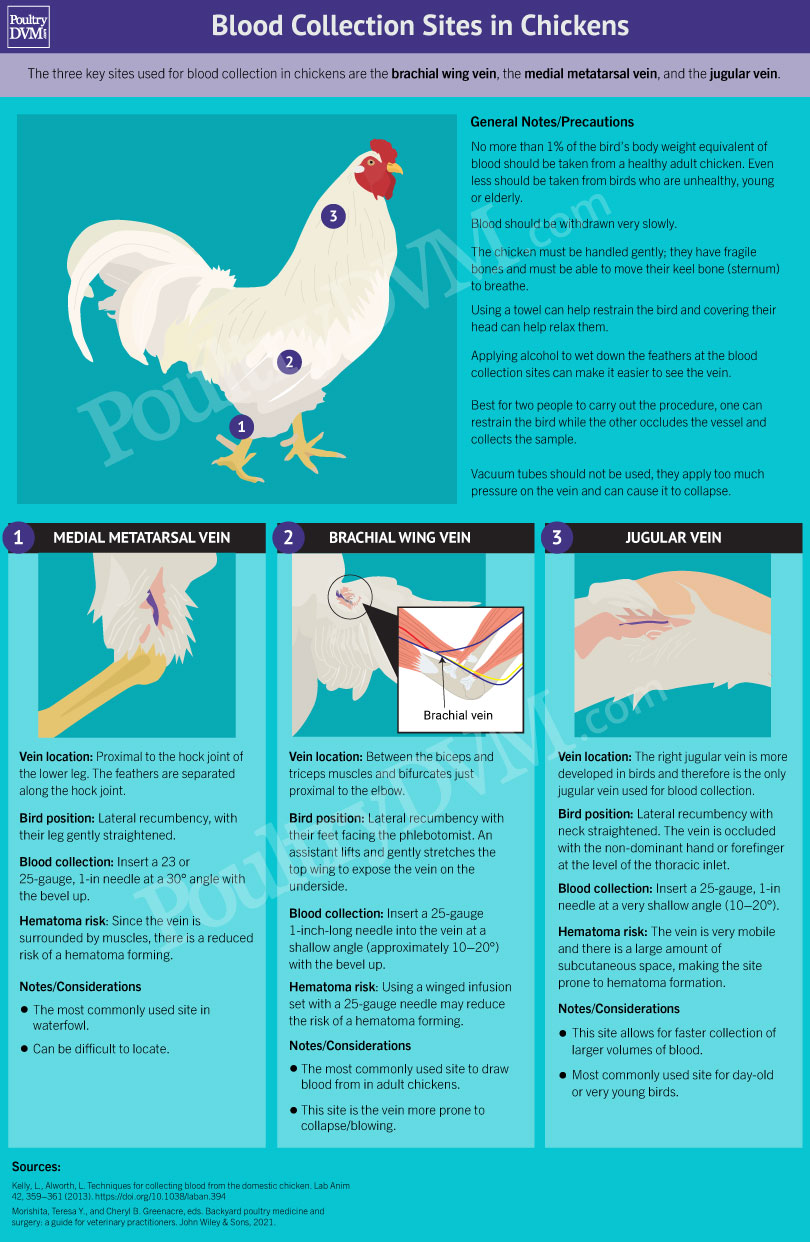
Brachial wing vein, jugular, and medial metatarsal clinical blood draw anatomical locations.
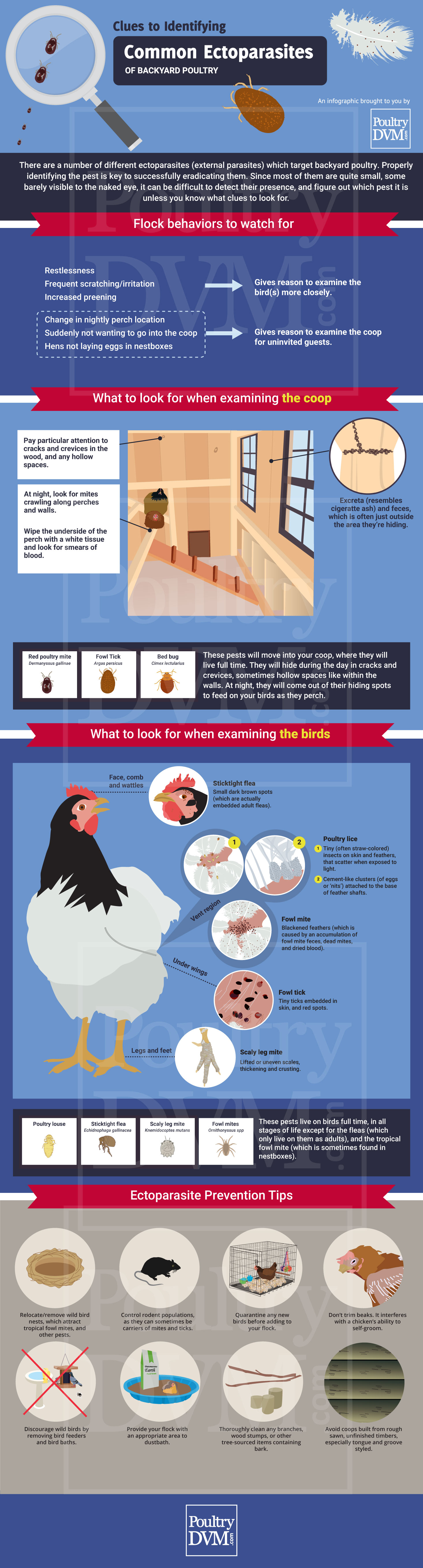
Identification guide for Northern fowl mites, red roost mites, scaly leg mites, and lice.
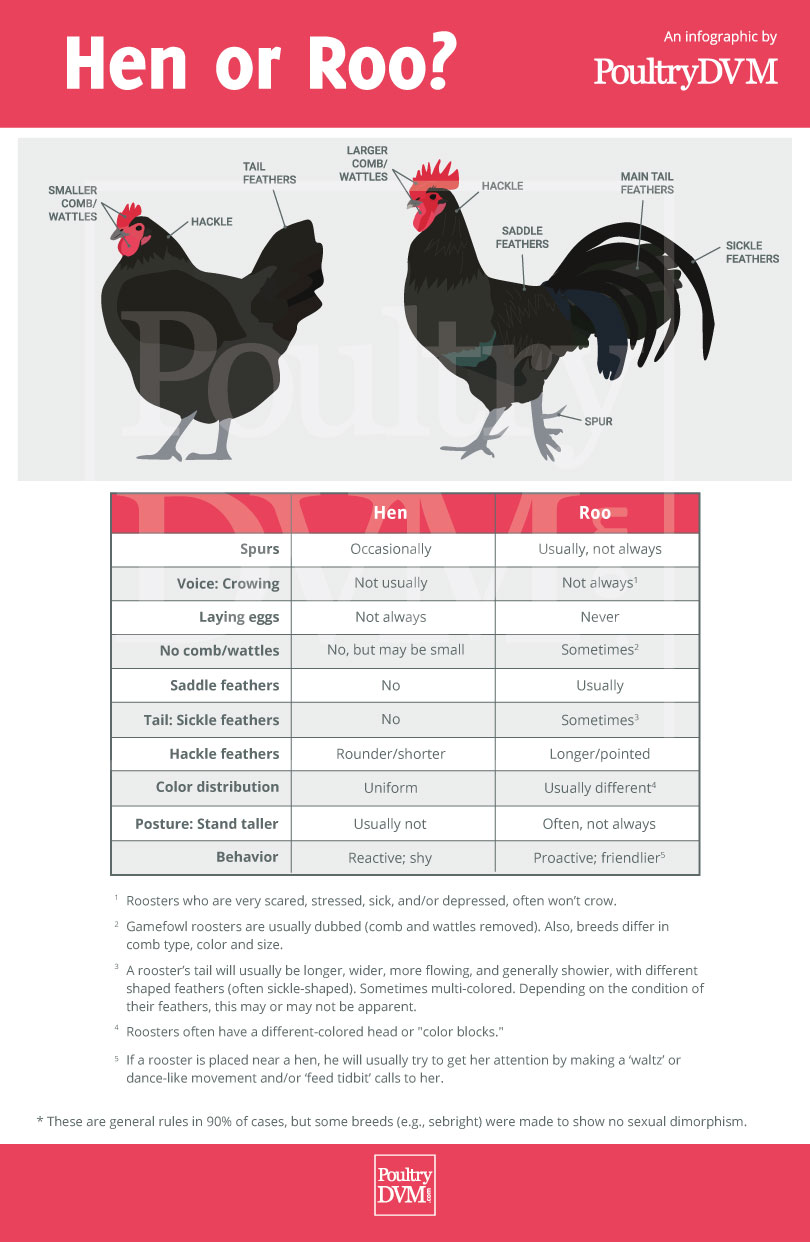
Hackle feather shape, saddle feather development, comb growth, and spur emergence.

Perches, dust bath stations, cabbage tethers, and boredom busters to stop flock pecking.

Subtle early warning signs: pale comb, hunched posture, withdrawn behavior, and crop stasis.

Aflatoxins, ochratoxins, and mold risks in damp chicken scratch and stored commercial crumbles.
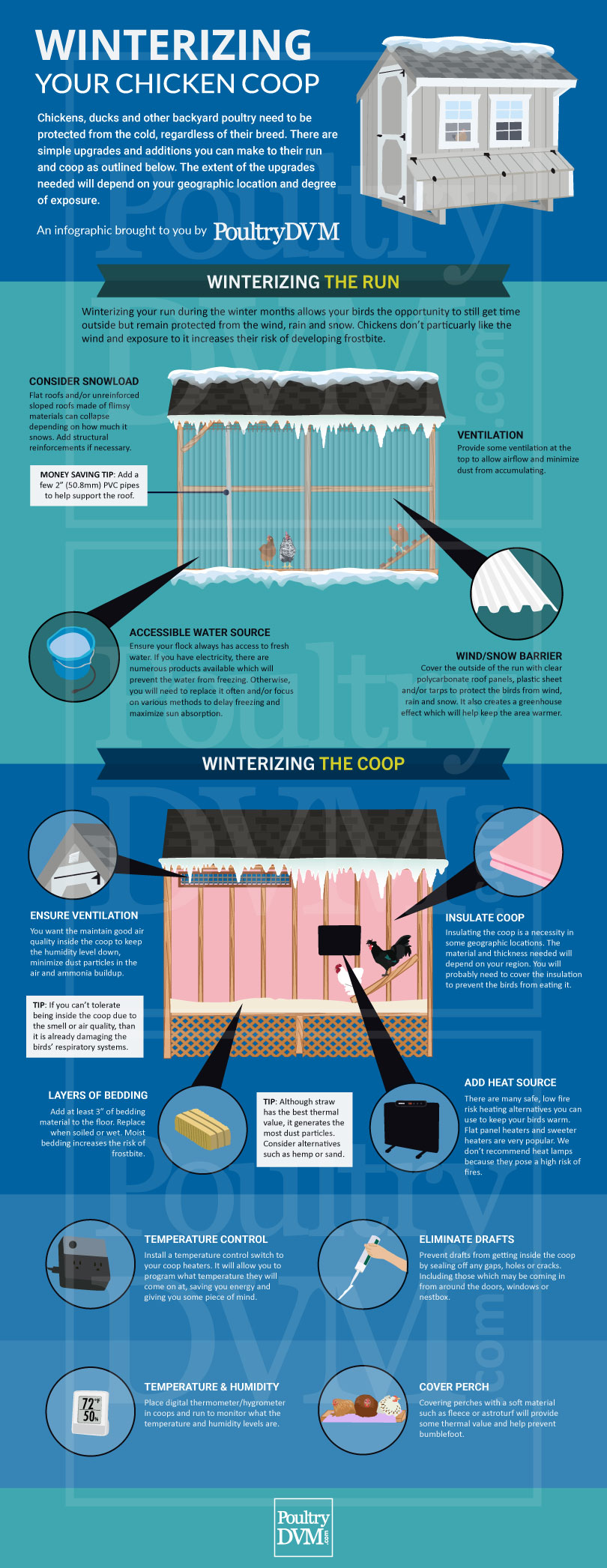
Draft-free upper ventilation, deep litter bedding warmth, and heated drinker setups.
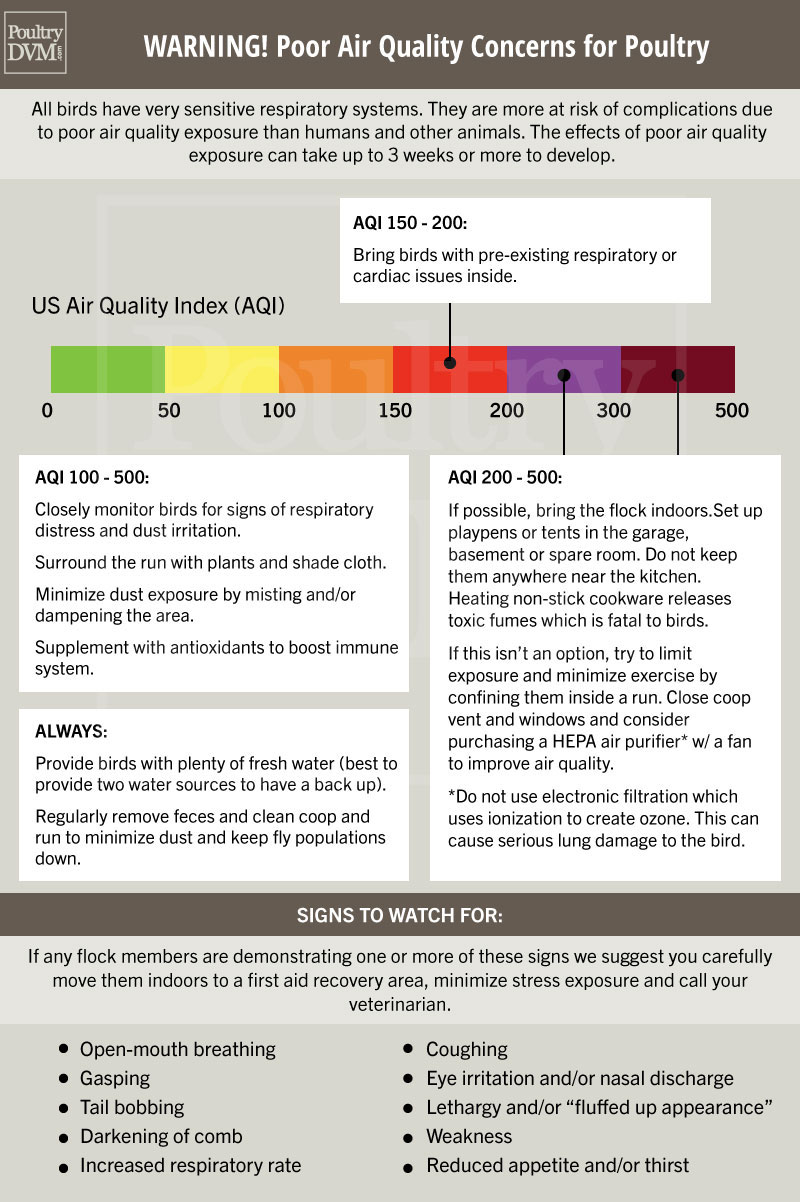
Protecting chicken air sacs from particulate wildfire smoke and toxic coop ammonia.
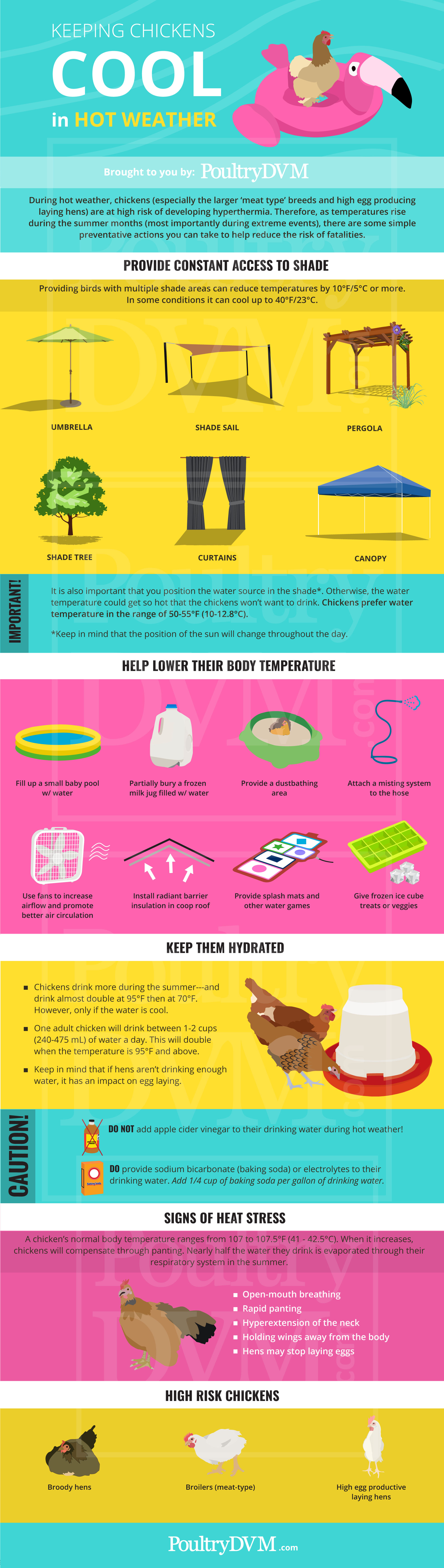
Electrolyte water, frozen watermelon, shade cloth, and misting tactics for summer heat.
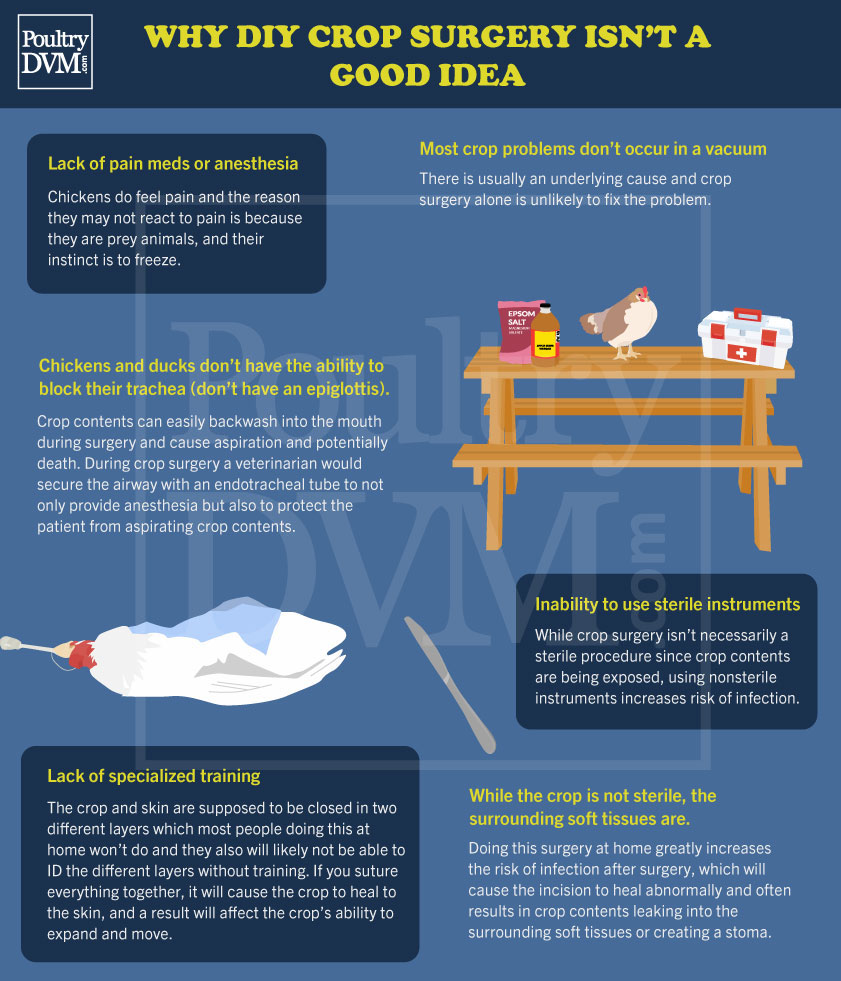
Why DIY crop incisions lead to fatal septic peritonitis and why veterinary care is needed.
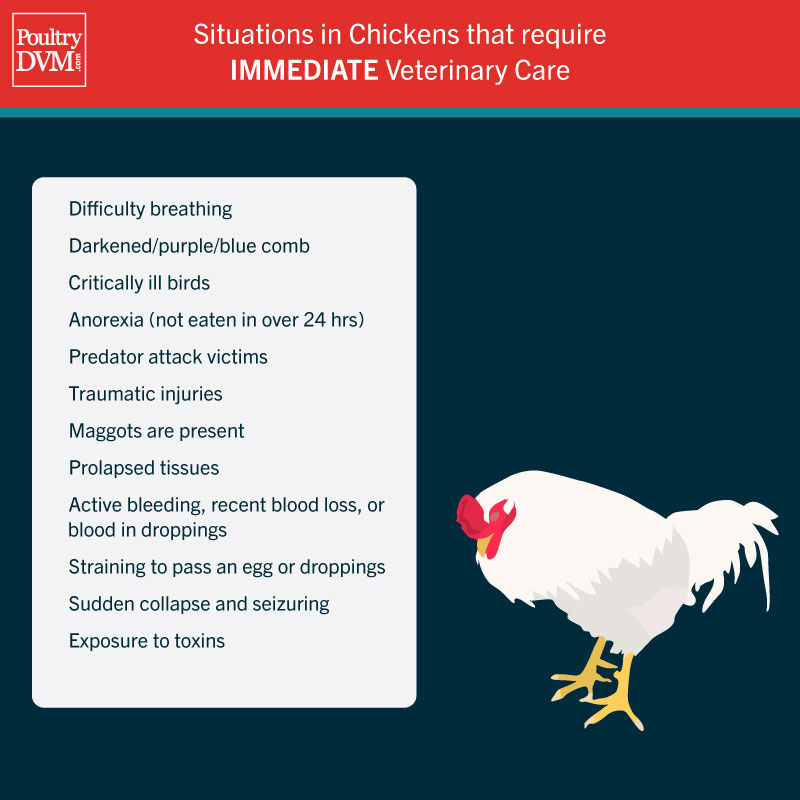
Red alert symptoms requiring immediate professional veterinary intervention.
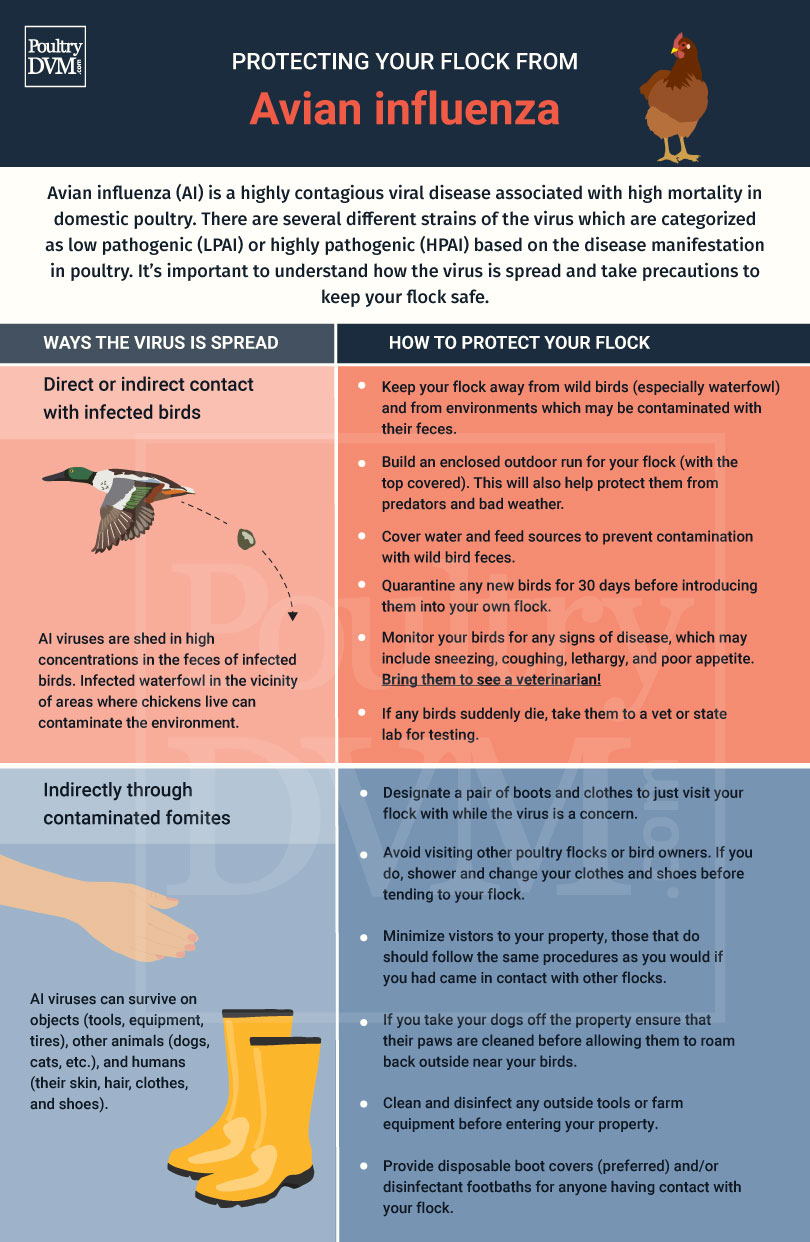
Wild waterfowl separation, dedicated coop boots, and disinfectant footbath protocols.
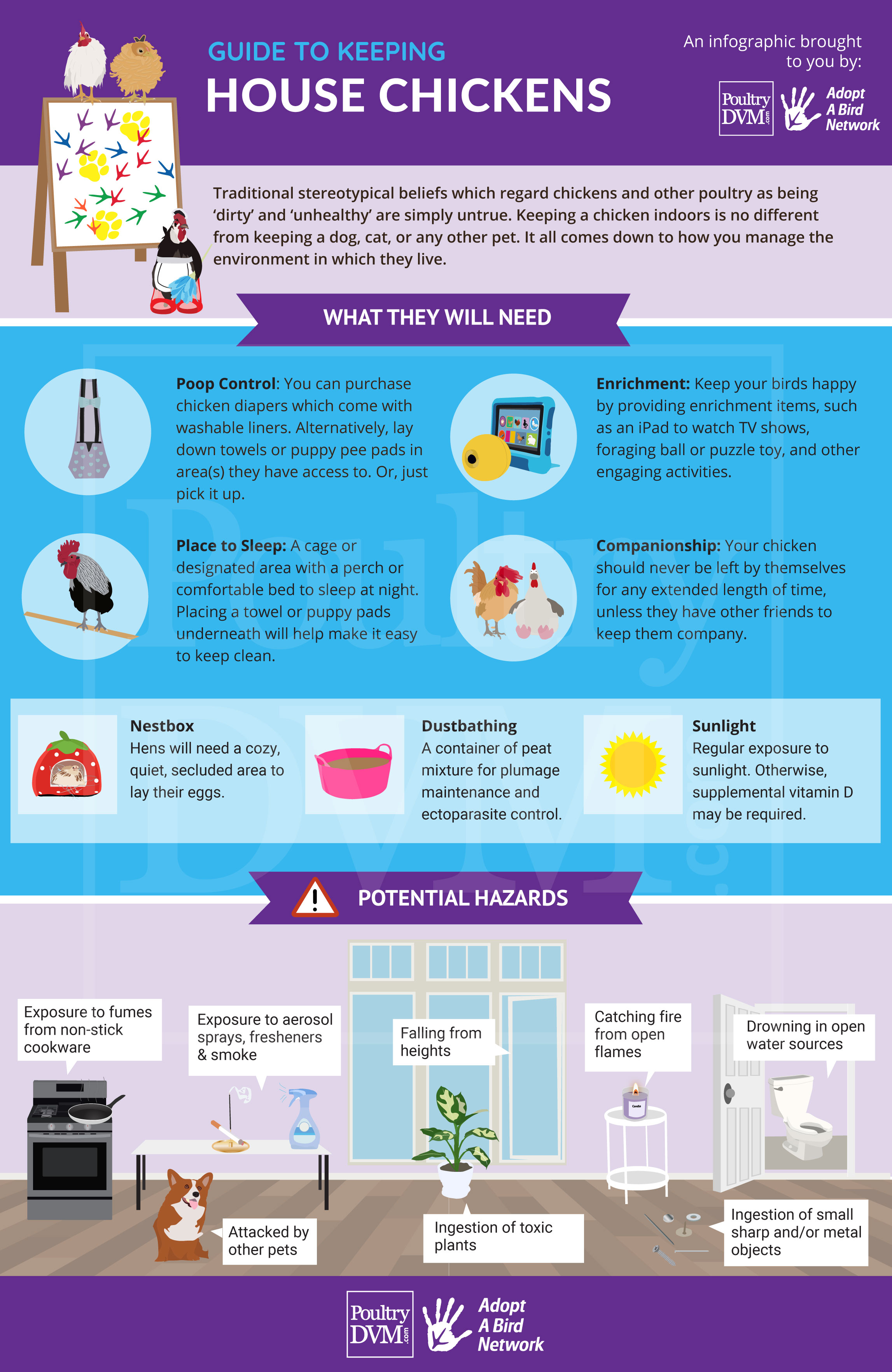
Diaper harness hygiene, indoor slip-resistant flooring, and UV lighting requirements.
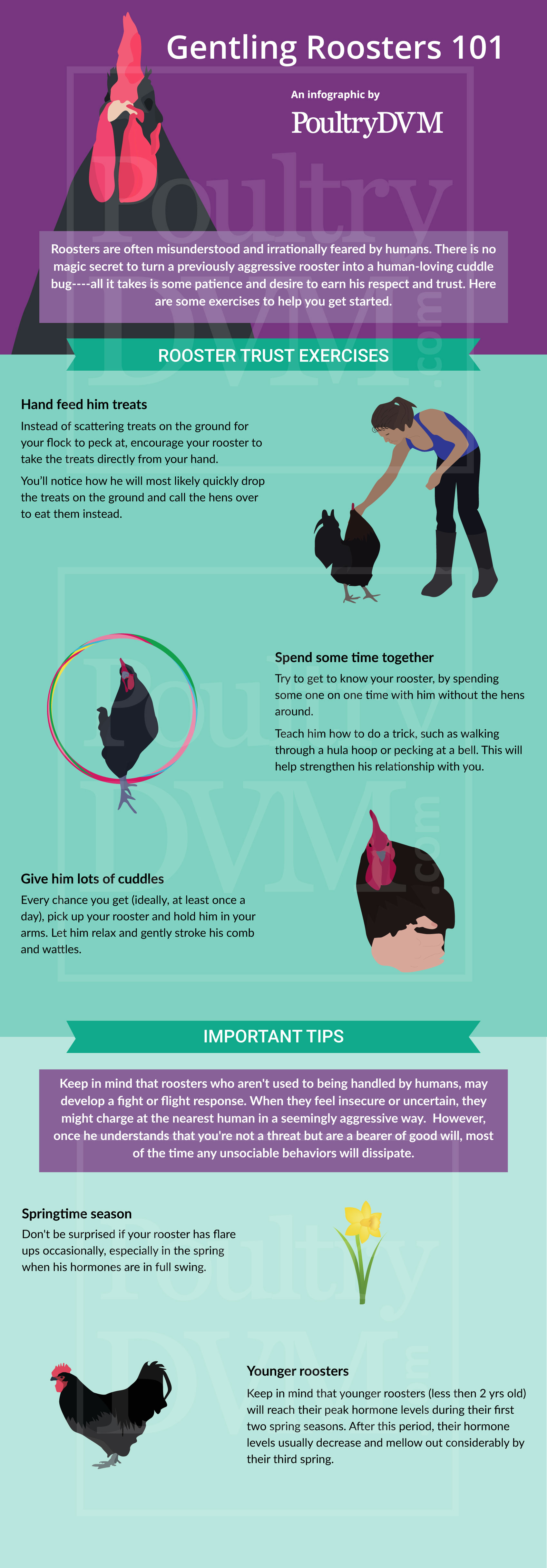
Humane flock management, understanding rooster boundary displays, and building trust.
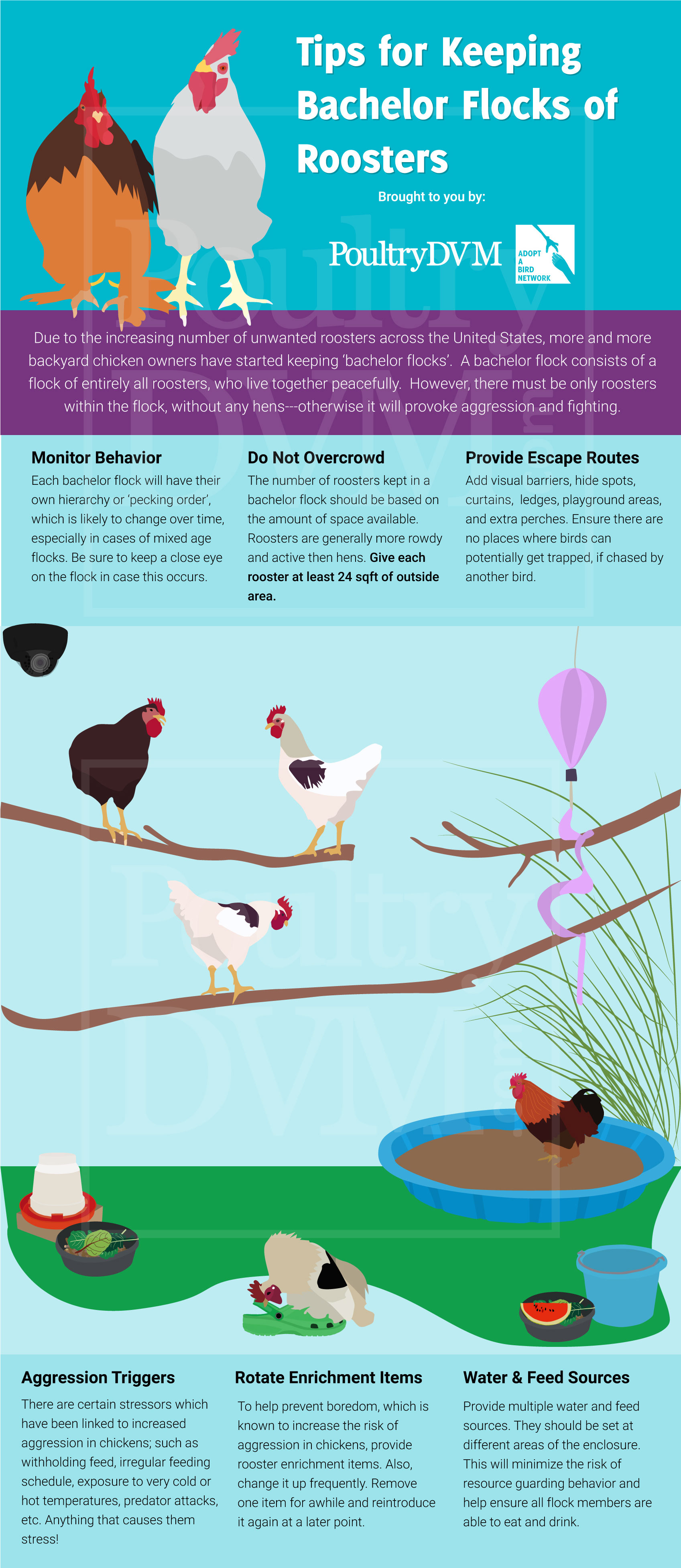
Space requirements, visual barriers, and multiple feeder setups for all-rooster coops.
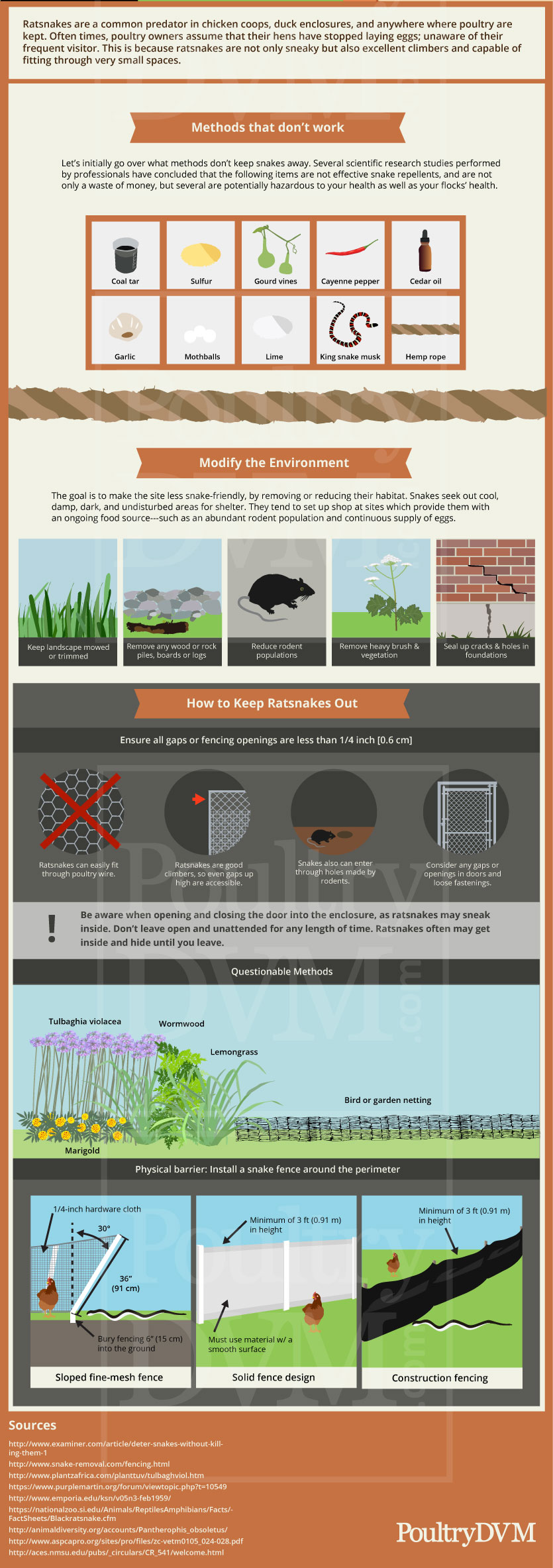
Humane snake relocation, 1/2-inch hardware cloth screening, and egg collection timing.
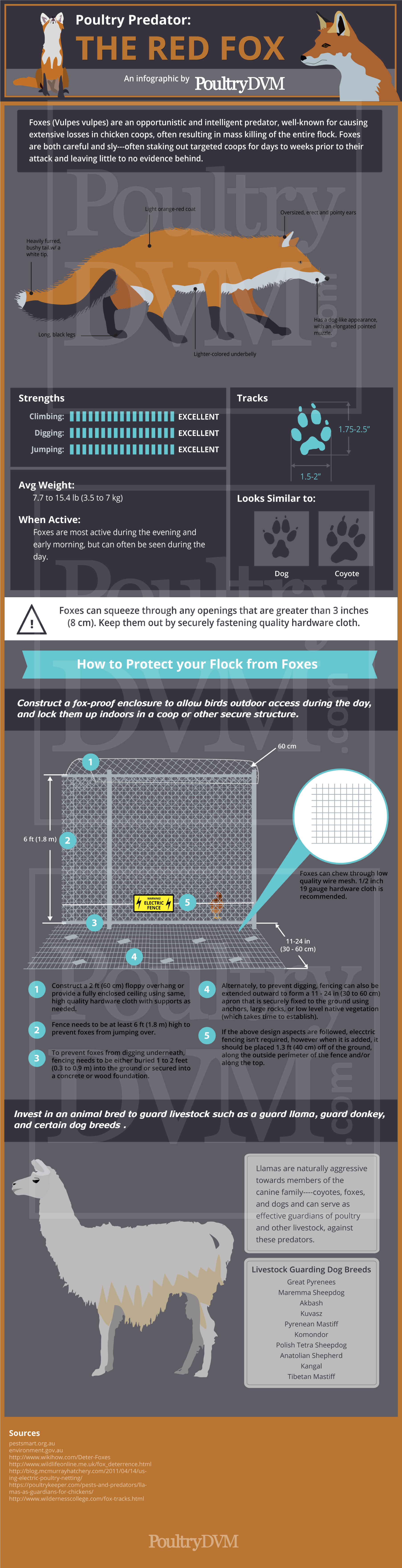
Digging deterrents, buried hardware apron wire, and secure nighttime coop latching.

Fire hazards of glass heat lamps and safer radiant brooder plate alternatives.
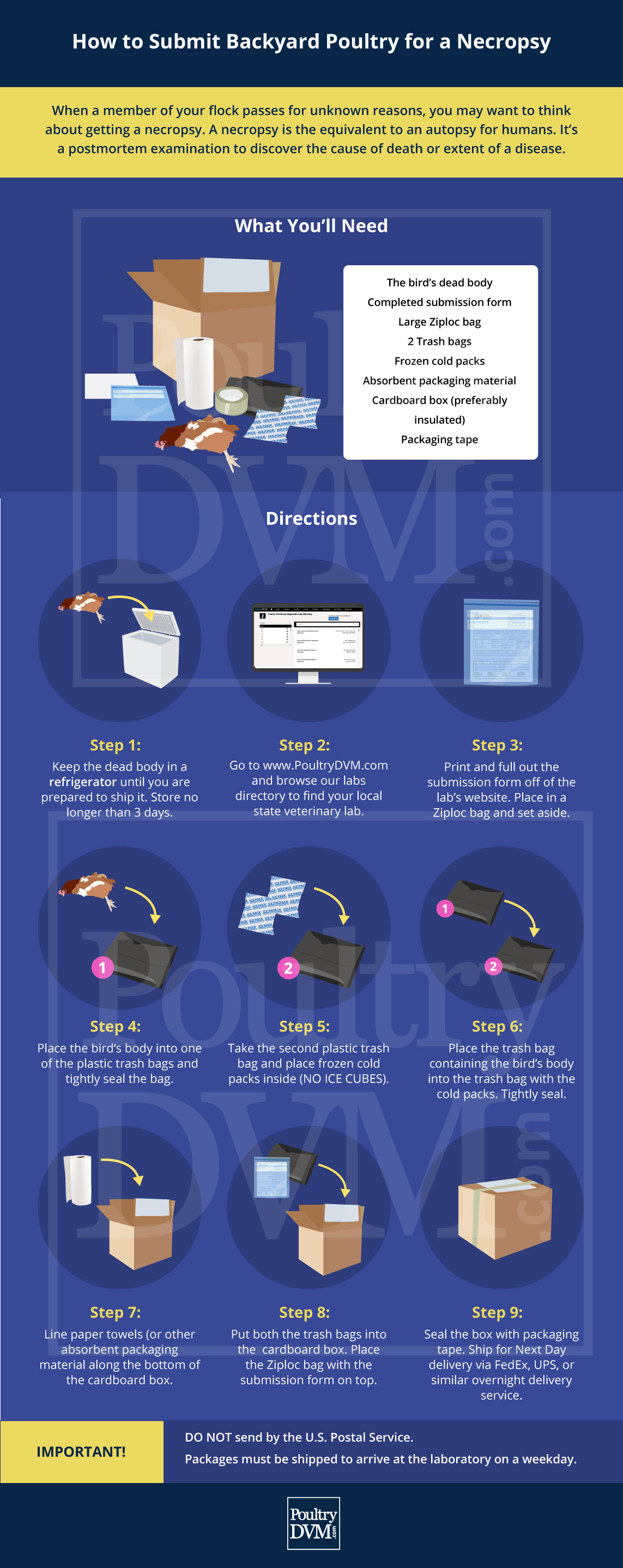
State veterinary diagnostic laboratory submission, refrigeration steps, and shipping rules.

30-day quarantine isolation, fecal parasite screening, and gradual flock integration.
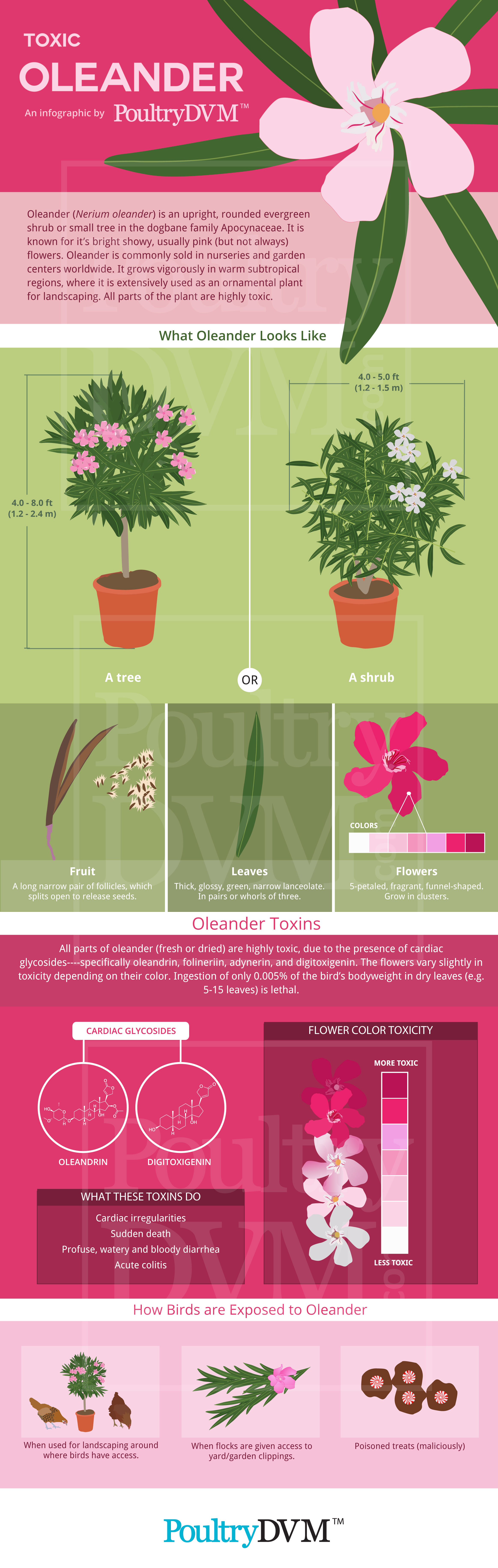
Cardiac glycosides in oleander leaves and flowers causing fatal arrhythmia in chickens.
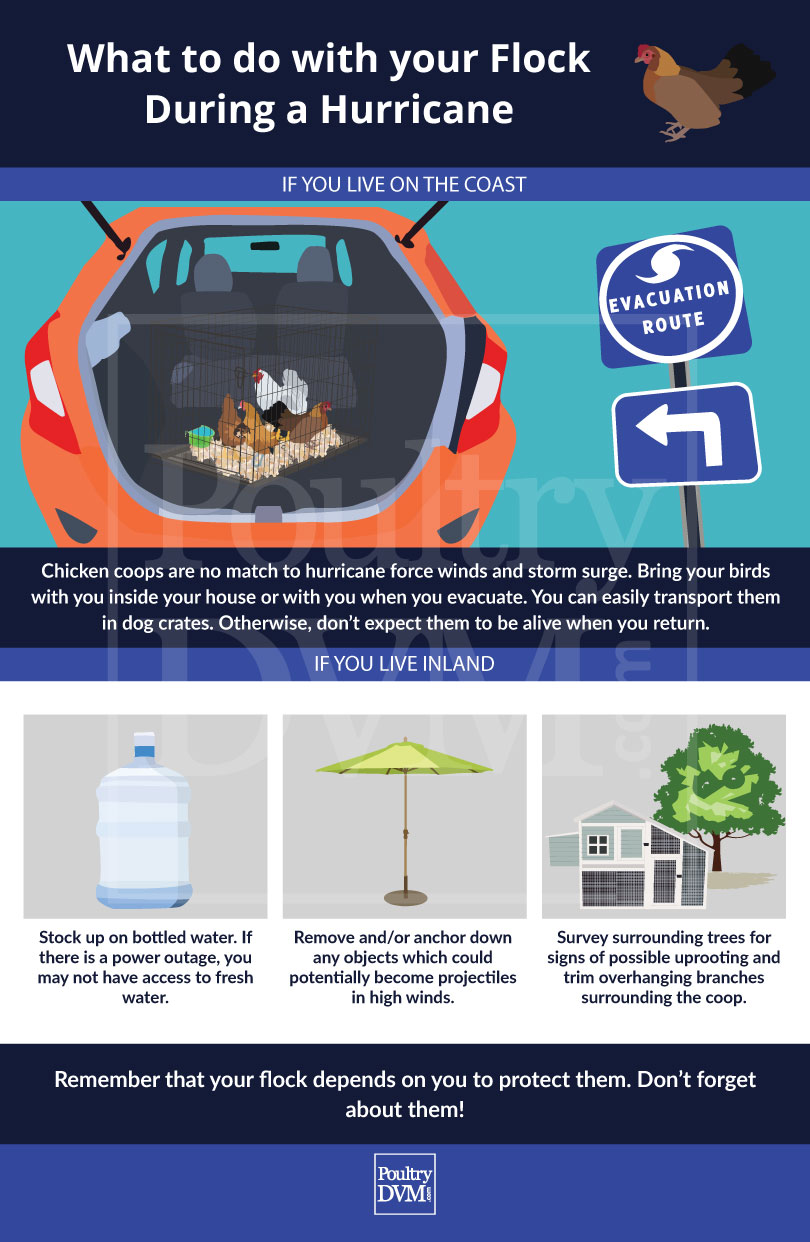
Emergency evacuation crates, high-ground coop securing, and post-storm flood water safety.
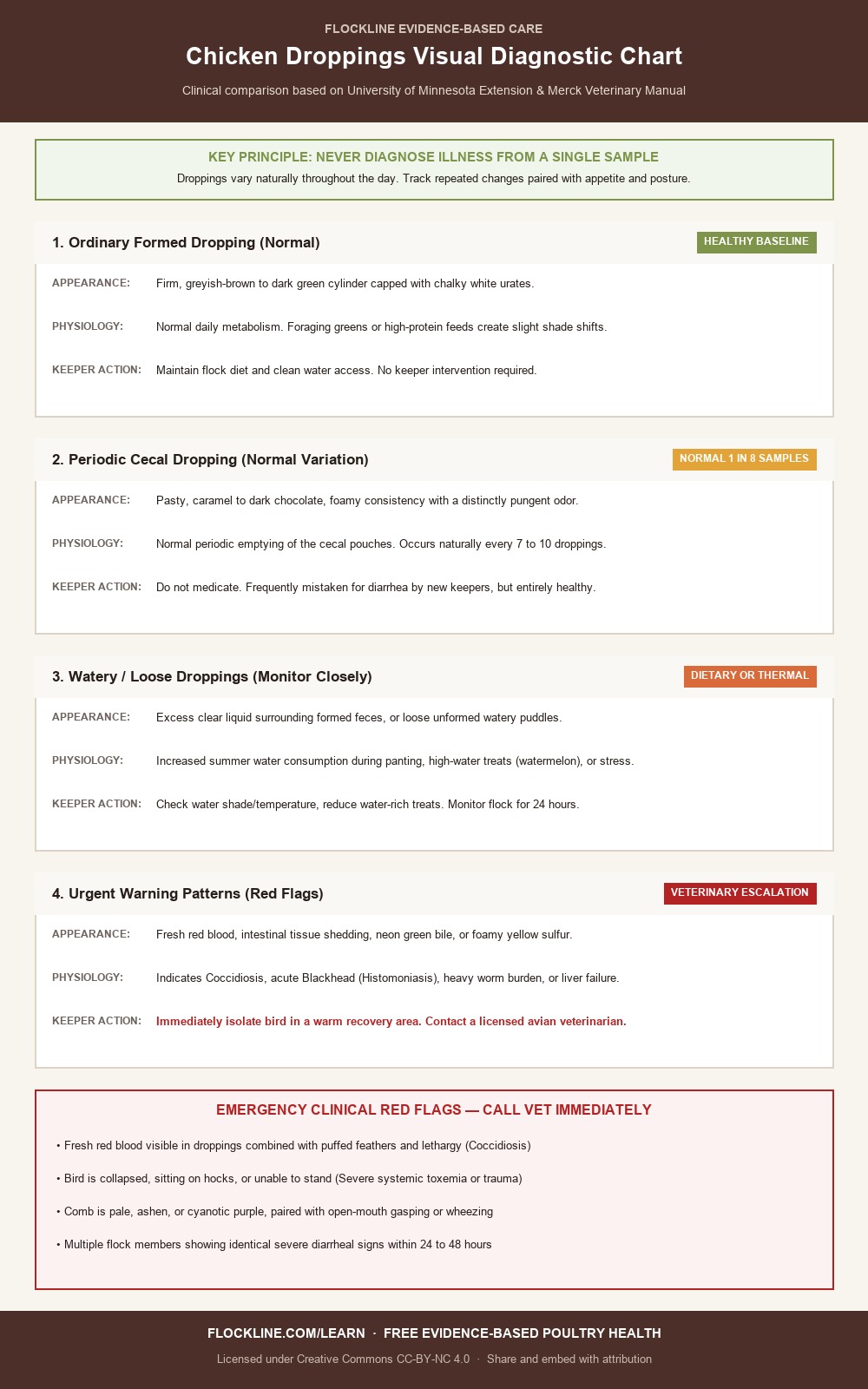
Evidence-based visual comparison of normal, cecal, broody, coccidiosis, and enteritis droppings with emergency vet thresholds.
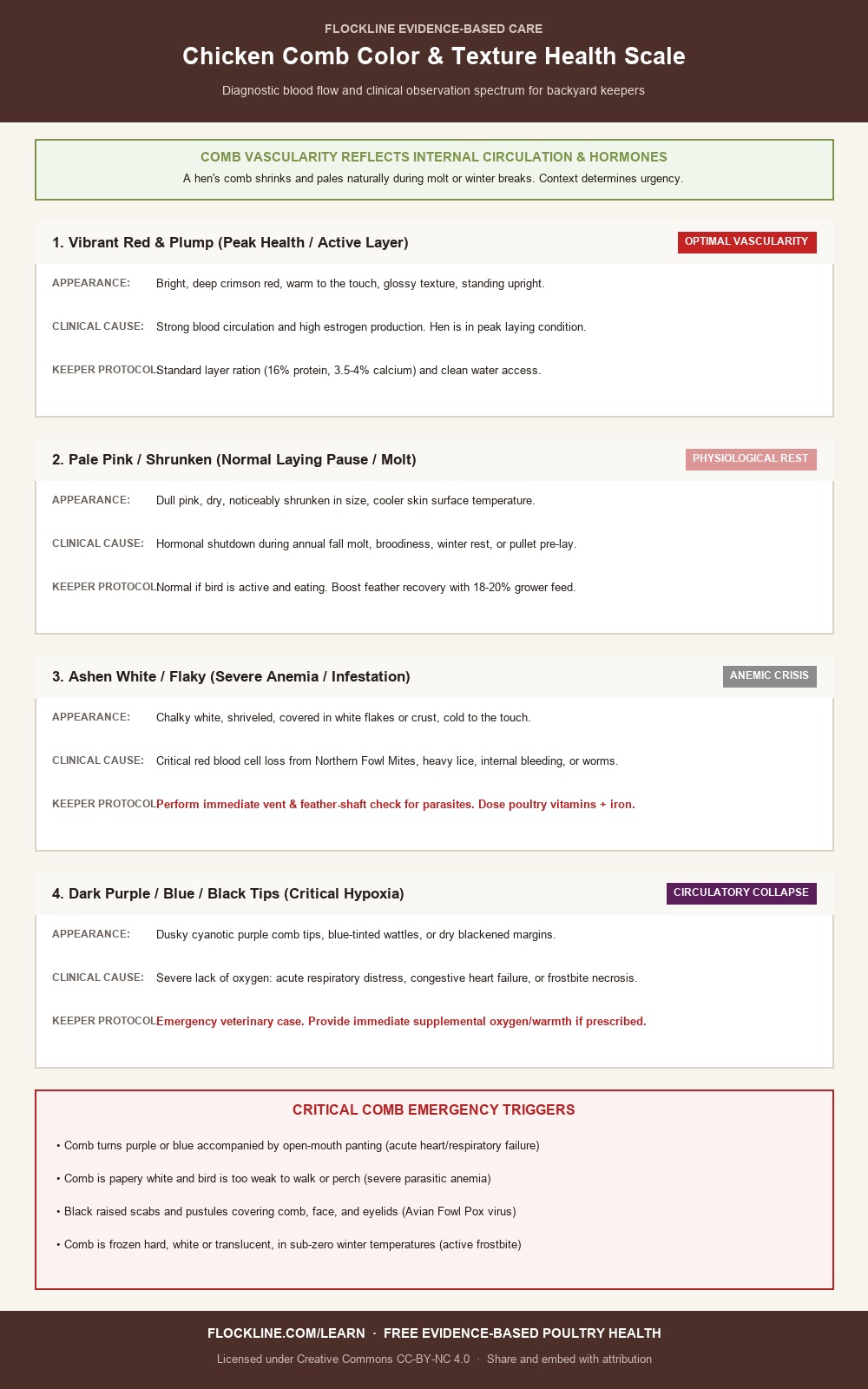
Differential triage between natural molting dormancy, heat vasodilation, red mite blood loss, and internal laying disorders.
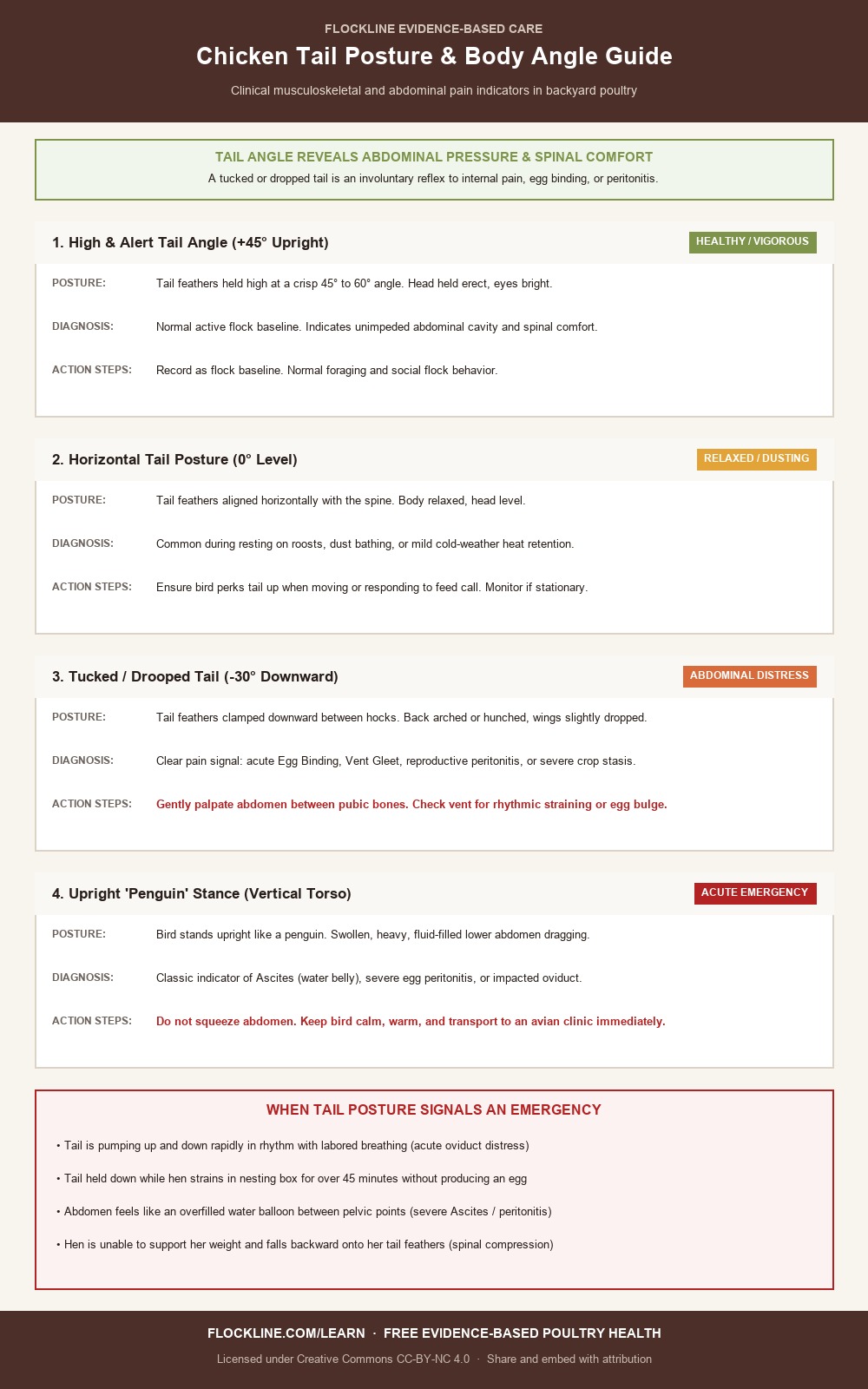
Abdominal pain indicators, cloacal palpation protocols, egg binding triage, and vent gleet differentiation.
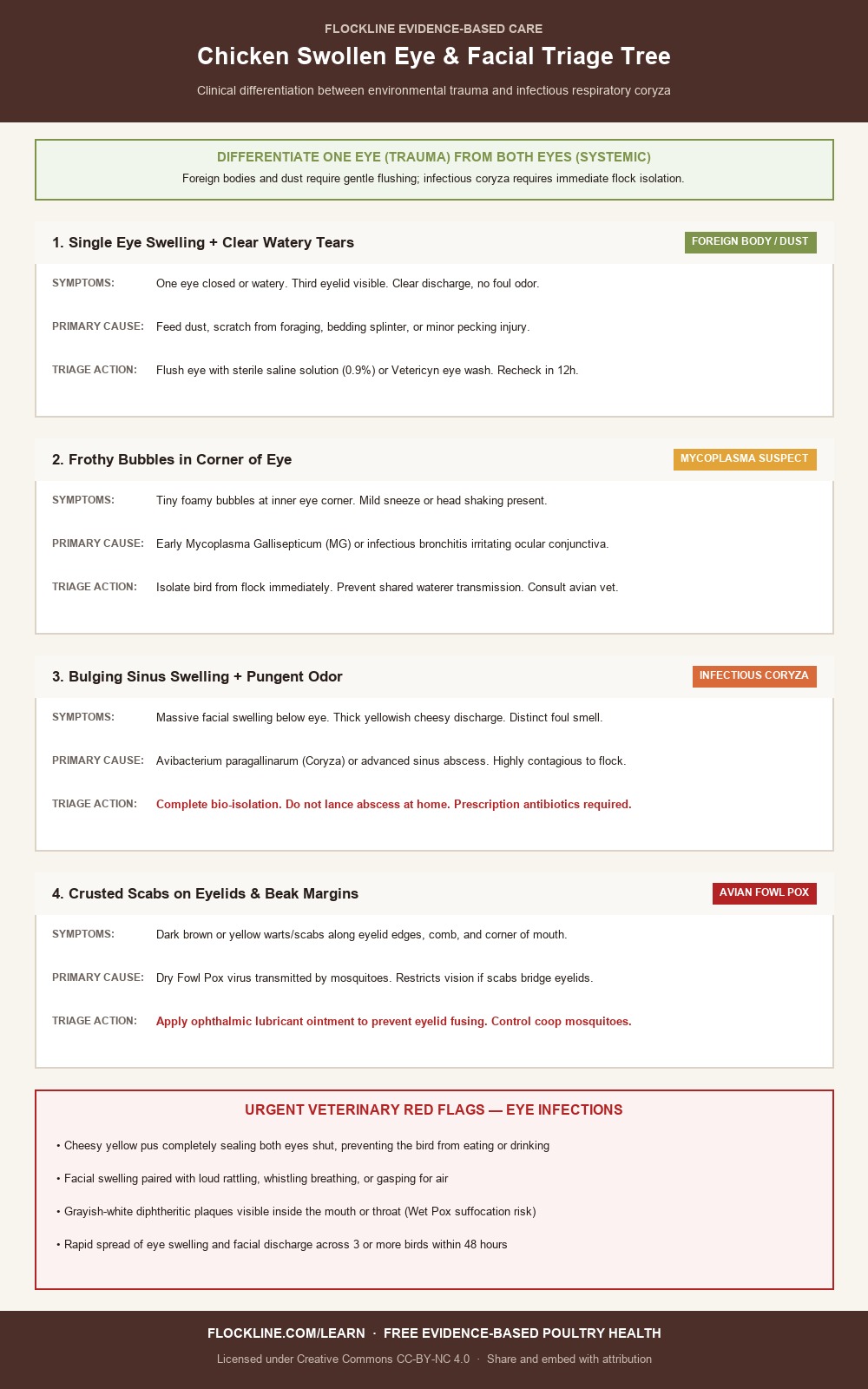
Unilateral vs bilateral ocular swelling, foul-odor coryza differentiation, saline flush technique, and isolation rules.
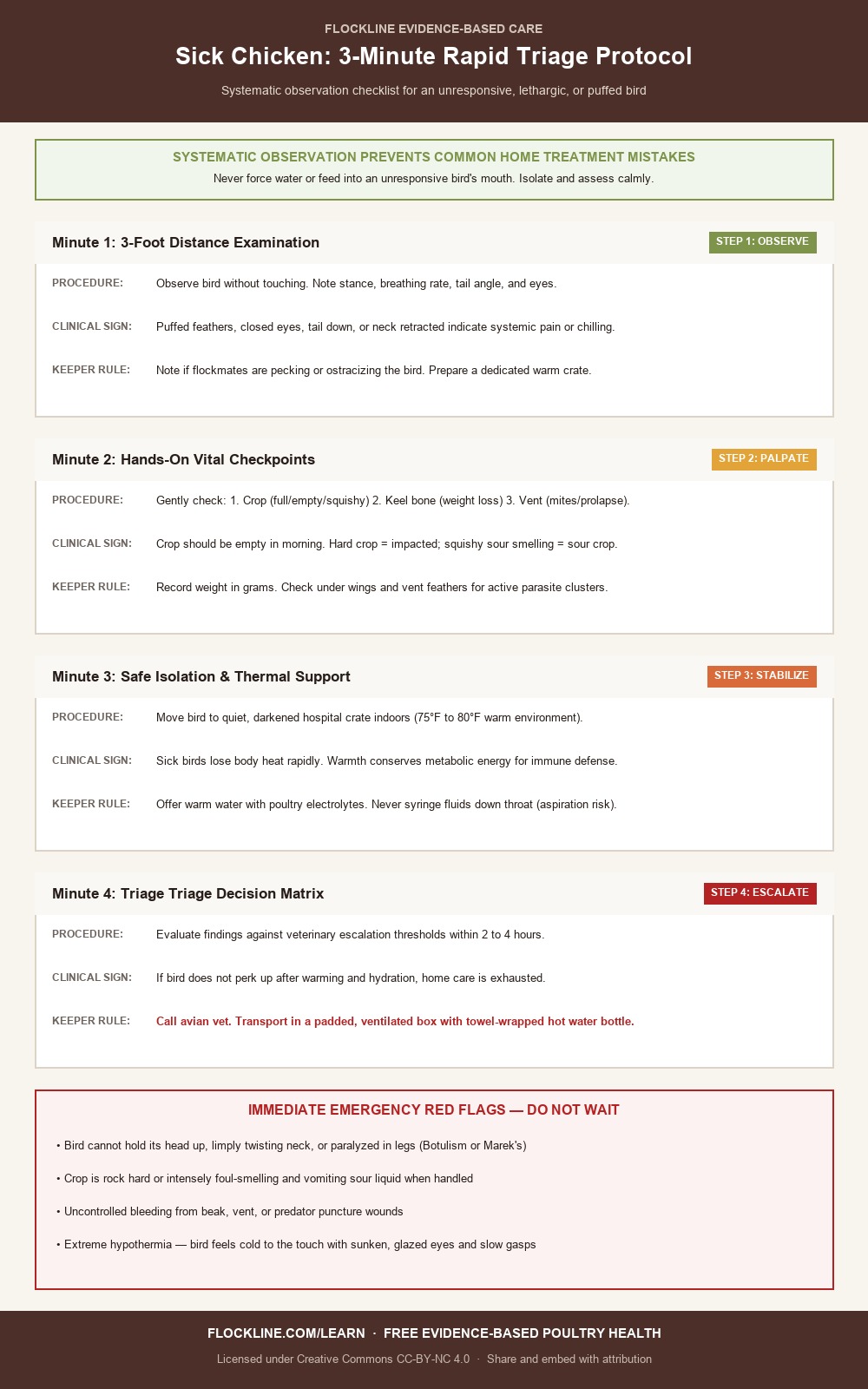
The 6-step sick bay isolation setup, 85°F warmth rule, emergency electrolyte delivery, and life-threatening red flags.
Visual diagnostic flowcharts covering symptoms, clinical signs, differential diagnoses, and veterinary citations for poultry conditions.
Browse disease directory →Quick-reference guides for common flock emergencies including egg binding, respiratory distress, heat stress, and wound triage.
View emergency triage hub →Observation-first identification index covering comb changes, eye discharge, crop stasis, droppings, and mobility issues.
Explore symptoms index →Evidence-based guides on poultry botanicals, feed protein matrices, calcium balance, and safe natural supplements for backyard flocks.
Browse nutrition directory →Reference guides on active pharmaceutical ingredients, egg withdrawal considerations, and veterinary administration protocols.
View medications guide →Searchable nationwide directory of verified avian and poultry veterinarians across all 50 states.
Find a local poultry vet →Access our complete evidence-based databases covering poultry diseases, observable symptoms, botanicals, medications, and veterinary practices.