
Chick Pasty Butt: Prevention, Gentle Cleaning, Brooder Fixes
Quick answer
Chick pasty butt is when droppings stick and can seal the vent. Soften and clean gently, dry the chick, then fix brooder temperature and water access so pasting does not return.
Quick facts
| What it is | Droppings stick to a chick’s vent and can seal it shut |
|---|---|
| Why it matters | Blocked vents can become fatal if ignored |
| Common drivers | Shipping stress, dehydration, brooder too hot or too cold, water access issues |
| First move | Gentle warm-water clean; never rip dried pasting |
| Prevention | Ready brooder, water before aggressive feeding, daily vent checks week one |
Chick pasty butt looks like a messy inconvenience until it is not. When droppings dry into a plug over the vent, the chick cannot pass waste. That is an urgent husbandry fix, not a wait-until-weekend project.
This page pairs a gentle clean protocol with brooder prevention. Week-by-week heat weans and outdoor gates live on sibling chick guides. Here we keep vents open and stress down.
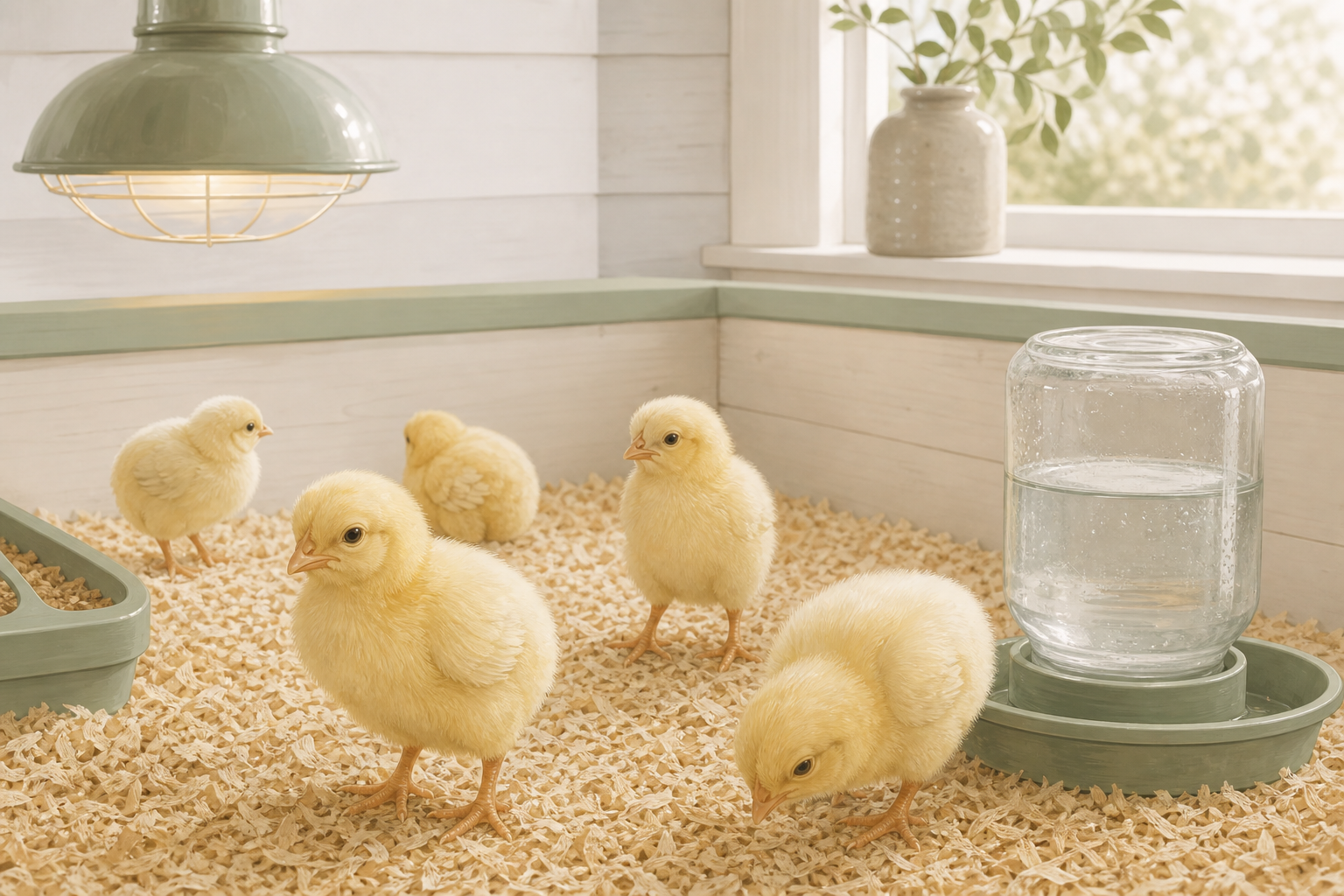
What pasty butt is
Pasting (pasty butt, paste-up) happens when sticky droppings cling to down around the vent and harden. Hatchery and feed-company educational pages list shipping stress, dehydration, temperature extremes, and early digestive adjustment among common contributors. Disease can matter later, but most new-chick pasting stories start with stress and brooder management.
Prevention before chicks arrive
Have the brooder warm, draft-checked, and stocked with clean water before birds land. Confirm temperatures at chick height and watch behavior, not only the thermometer. Flockline’s brooder temperature tool and heat lamp duration guide cover the heat scaffold. Many husbandry writeups emphasize getting chicks drinking before they gorge on dry feed after a long shipment.
Keep litter dry. Wet, filthy corners invite more stress than they solve. Outdoor transition waits until feathers and weather cooperate: when chicks can go outside.
Gentle clean protocol
Hold the chick securely. Soften dried material with a warm, damp cloth or cotton ball. Work patiently. Do not pull hard on dried pasting. You can tear delicate skin. When the vent is clear, dry the chick thoroughly. A wet chick chills fast and may paste again. Return the bird to a correct-temperature brooder with fresh water.
If several chicks paste at once, fix the room: temperature, drafts, water cleanliness, and overcrowding. Cleaning vents without fixing the brooder is a treadmill.
Progress saves in this browser. Print this page or download the PDF for a paper copy.
When to call a veterinarian
Call for help if a chick remains lethargic after cleaning, if pasting returns relentlessly despite a correct brooder, or if you suspect disease rather than simple stress pasting. This guide is educational husbandry, not a diagnosis or drug protocol.
Shipped chicks and the first 24 hours
Chicks often arrive dehydrated and hungry. A ready brooder with warm water (not ice cold) helps them drink. Dip beaks gently if birds seem confused by nipples or founts. Wait until most birds are drinking before you make feed the main event. Overpowered first meals on an empty, dry gut show up later as sticky vents.
Electrolyte products are popular in hatchery advice. Used carelessly on already dehydrated chicks, concentrated mixes can worsen pasting stories some hatcheries warn about. If you use them, follow the label dilution and switch back to plain water. Sugar-heavy homemade boosters are not a required ritual.
Aftercare and when pasting should fade
Many pasting cases ease as chicks settle, enzymes catch up, and vents grow. Keep checking daily through the first week. A single cleaned chick that pastes again tonight is asking you to re-measure temperature at chick height and feel for drafts on the floor. Persistent pasting past the first week, especially with dull birds or bloody droppings, is a veterinary conversation rather than another cloth wipe.
Feed quality notes without panic switching
Some chicks paste more on certain starter formulas, especially during the first days while digestion matures. If pasting continues after temperature and water are clearly correct, try a fresh bag of a reputable chick starter rather than random kitchen mixes. Keep changes gradual. Do not medicate based on a forum anecdote. Link heat management back to the brooder tools whenever multiple chicks paste together.
Common mistakes
- Ripping dried pasting and injuring the vent.
- Returning a wet chick to a cool corner of the brooder.
- Skipping water after a long shipment while dumping feed.
- Ignoring group pasting as a brooder temperature clue.
- Waiting overnight because the chick still “seems okay.”
FAQ
What causes chick pasty butt?
Often stress, dehydration, and brooder temperature problems in the first days. Disease is possible but less often the first explanation for brand-new chicks.
How do I clean pasty butt safely?
Soften with warm damp cloth, never rip, dry thoroughly, return to a correct brooder.
Does pasty butt mean coccidiosis?
Not automatically. Persistent illness signs need professional evaluation.
How often should I check vents?
Daily in the first week is a common keeper practice, especially after shipping.
Which Learn guide covers heat?
Brooder temperature tool and how long chicks need a heat lamp.
Sources and further reading
- Purina Animal Nutrition: Pasty butt symptoms and care (educational)
- Purina Canada: Pasting in chicks causes and prevention
- Flockline Learn: brooder temperature, heat lamp duration, when chicks can go outside.
- Husbandry consensus synthesized from hatchery and extension-aligned chick-care guidance; no invented statistics.