Chick Failure to Thrive: Early Warning Signs, Fade Syndrome & First Aid
Quick answer
Immediate Clinical Answer: "Failure to thrive" or "fade syndrome" in chicks describes rapid progressive weakness, anorexia, and hypothermia during the first 3 to 7 days post-hatch. Primary etiologies include: (1) unabsorbed yolk sac infection (omphalitis / mushy chick disease), (2) severe shipping dehydration, (3) congenital heart defects, and (4) sub-90 degrees Fahrenheit brooder chilling. A chick standing alone with drooping wings, closed eyes, and cold feet will die within 12 hours without aggressive stabilization. Immediate first aid requires warming the chick to 95 degrees Fahrenheit, administering 1 drop of 50% glucose or poultry Nutri-Drench directly onto the beak rim, and providing warm probiotic mash.
| Clinical Cause | Onset Timeline | Key Physical Signs | Immediate Field Action |
|---|---|---|---|
| Shipping Dehydration | Day 1 to 3 post-hatch | Sunken eyes, shriveled leg scales, lethargic | Warm glucose water (1 drop on beak rim every 30 min) |
| Omphalitis (Mushy Chick) | Day 2 to 5 post-hatch | Black scabbed navel, soft mushy belly, putrid odor | Isolation, topical 1% iodine on navel, vet antibiotics |
| Severe Brooder Chilling | Within 6 hours of chill | Loud distress peeping, huddling, cold feet (sub-95 deg F) | Immediate slow re-warming under 95 deg F radiant panel |
| Starve-Out Syndrome | Day 3 to 5 post-hatch | Empty flat crop, weakness, fails to locate feeders | Dip beak in warm starter mash; tap feeder to teach pecking |
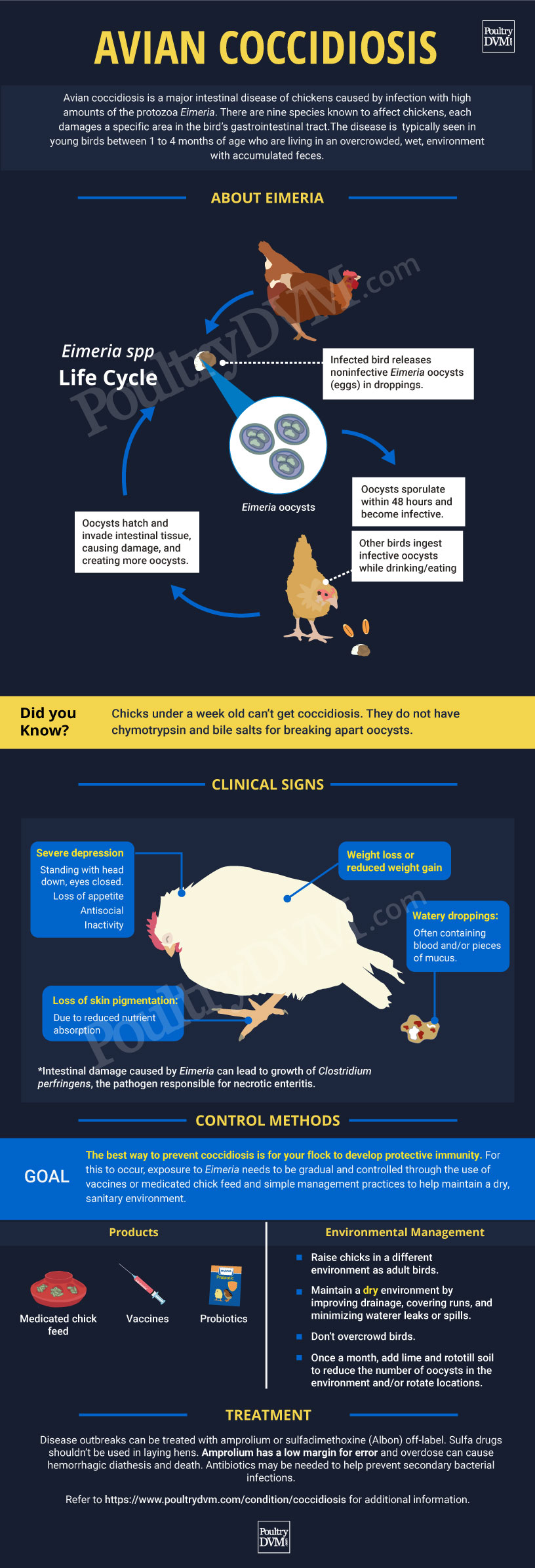
The 60-Second Physical Triage Check
Execute this systematic evaluation to categorize the underlying cause of chick fading:
- Examine the Navel and Abdomen: Turn the chick upside down in your hand. Part the down beneath the vent to inspect the umbilical scar. A healthy navel is completely closed, flat, dry, and clean. If you see a dark unhealed scab, a wet opening, or a bloated blue-black belly that feels mushy, the chick has omphalitis (yolk sac infection).
- Palpate the Crop: Gently feel the chick’s right breast. Is the crop full, round, and soft (successful eating), or completely flat and empty like paper? An empty crop after 24 hours in the brooder indicates “starve-out,” meaning the chick has not learned to find the feed.
- Check Eye Brightness and Mucous Membranes: Healthy day-old chicks have bright, round, prominent black eyes. A fading chick holds its eyes in narrow horizontal slits. Dull sunken eyeballs indicate severe cellular dehydration.
- Touch Leg and Footpad Temperature: Touch the chick’s feet to your cheek. If the feet feel cold and clammy, the chick’s core body temperature has dropped below 102 degrees Fahrenheit (normal chick internal temperature is 104 to 106 degrees Fahrenheit / 40 to 41 degrees Celsius). Never offer cold water or dry grain to a hypothermic chick.
Use the free Interactive Chicken Symptom Checker to identify specific escalation triggers and calculate correct electrolyte concentrations.
Step-by-Step Critical Care Revival Protocol
Stabilize a failing chick using this systematic 4-step emergency sequence:
- Warm the Body First (Rule of Thermoregulation): Never feed a cold chick. Hypothermia shuts down gut motility; feeding a chilled chick causes food to ferment in the crop, triggering fatal endotoxic shock. Place the chick inside a small box with a warm towel over a 95 degrees Fahrenheit (35 degrees Celsius) heat source for 20 to 30 minutes until footpads feel warm to the touch.
- Administer High-Calorie Oral Drops: Once warm, place a single drop of Poultry Nutri-Drench or 50% glucose solution (1 teaspoon honey or white sugar dissolved in 2 teaspoons warm water) on the outer edge of the lower beak with a clean dropper. Capillary action draws the fluid into the mouth without choking. Repeat with 1 drop every 20 minutes for 2 hours.
- Teach Feed Pecking: Place the revived chick on a flat paper plate covered with fresh chick starter crumbles. Tap your index finger repeatedly on the food to simulate a mother hen’s beak. Chicks peck instinctively at motion and sound.
- Provide Shallow Electrolyte Water: Offer fresh water mixed with 1 packet of poultry electrolytes and vitamins per gallon. Use marbles in the water tray to prevent the weak chick from falling in and drowning.
Diagnostic Matrix: Omphalitis vs Dehydration vs Coccidiosis
| Diagnostic Factor | Omphalitis (Yolk Sac Infection) | Dehydration / Shipping Stress | Early Coccidiosis (Rare in Day 1-5) |
|---|---|---|---|
| Age of Onset | Day 1 to 4 post-hatch | Day 1 to 3 upon arrival | Day 14 to 28 (requires 4-day lifecycle) |
| Navel Condition | Red, swollen, black crust, putrid smell | Completely closed, dry, normal skin | Completely closed, fully feathered |
| Droppings | Yellow watery diarrhea, pasty vent | Infrequent dry droppings with white caps | Bloody, orange mucus, watery diarrhea |
| Flock Mortality | 5% to 15% of hatch; spikes at day 3 | Isolated to dehydrated birds | Flock-wide if untreated; responds to Corid |
When to Consult an Avian Veterinarian
Seek professional veterinary care if:
- A chick’s abdomen is distended, blue-black, and emits a putrid decaying odor (confirmed necrotic omphalitis requiring systemic prescription antimicrobial therapy).
- More than 10% of a mail-order shipment arrives dead or dies within 48 hours, indicating severe transit temperature exposure requiring a formal hatchery mortality claim.
- The chick displays continuous backwards somersaulting or head tremors, indicating encephalomalacia (crazy chick disease caused by vitamin E deficiency).
Verified Clinical References & Extension Sources
- Merck Veterinary Manual: Omphalitis and Yolk Sac Infection in Poultry.
- University of Georgia Extension: Management of Day-Old Chicks: Preventing Early Mortality.
- Purdue University Extension: First Week Brooder Management: Avoiding Starve-Out.
- North Carolina State University Extension: Biosecurity and Early Chick Care.