
Avian Chlamydiosis in Chickens: Symptoms, Differentials & Protocol
⚡ Quick answer
Avian Chlamydiosis in chickens is a moderate urgency condition marked by greenish diarrhea, ruffled feathers, and lethargy. Isolate affected birds immediately in a warm hospital pen at 75°F to 80°F, provide fresh water with avian electrolytes, and consult a licensed poultry veterinarian.
What are the clinical signs of avian chlamydiosis?
| Stage of onset | Physical presentation | Behavioral indicators | Recommended keeper action |
|---|---|---|---|
| Early onset (Days 1 to 2) | Greenish diarrhea, Ruffled feathers | Subtle reduction in feed intake, slight lethargy, separation from flock | Move bird to hospital crate at 75°F to 80°F, assess crop and vent, measure baseline weight in oz |
| Progressive stage (Days 3 to 5) | Lethargy, Sneezing | Huddling under warmth, ruffled plumage, reluctance to walk or forage | Administer avian electrolytes in water, collect fresh droppings for 24 hours |
| Advanced stage (Days 6+) | Conjunctivitis, Nasal/ocular discharge | Severe weakness, eyes closed, inability to stand, 15% body weight loss | Immediate veterinary intervention, thermal regulation, diagnostic testing |
How do you distinguish avian chlamydiosis from similar flock diseases?
Poultry diseases frequently mimic one another in backyard flocks. When examining a sick chicken for Avian Chlamydiosis, evaluate these alternative conditions before reaching conclusions:
| Suspected condition | Distinguishing physical features | Clinical rule-out method |
|---|---|---|
| Aspergillosis | Presents with overlapping weakness, but displays distinct primary lesions or organ involvement | Avian veterinary physical exam, fecal flotation, or laboratory culture |
| Avian Influenza | Presents with overlapping weakness, but displays distinct primary lesions or organ involvement | Avian veterinary physical exam, fecal flotation, or laboratory culture |
| Chronic Respiratory Disease | Presents with overlapping weakness, but displays distinct primary lesions or organ involvement | Avian veterinary physical exam, fecal flotation, or laboratory culture |
| Fowl Cholera | Presents with overlapping weakness, but displays distinct primary lesions or organ involvement | Avian veterinary physical exam, fecal flotation, or laboratory culture |
How should keepers stabilize a chicken with avian chlamydiosis?
When you observe symptoms consistent with Avian Chlamydiosis, take these structured supportive steps to stabilize the bird while arranging clinical diagnostics:
- Isolate in safe hospital housing: Remove the chicken from the flock immediately. Place the bird in a clean, predator-proof hospital crate or plastic tote lined with fresh paper towels or dry puppy pads in a quiet, warm area maintained between 75°F and 80°F.
- Assess hydration and body condition: Offer fresh, clean water mixed with avian electrolytes and vitamins. Never force water or liquid down the beak, which causes aspiration pneumonia into the open tracheal glottis.
- Sanitize flock equipment and premises: Thoroughly clean and disinfect coop waterers, feeders, and roosting perches with avian-safe disinfectant. Remove damp bedding litter immediately.
- Collect baseline diagnostic data: Note the consistency of droppings, respiration rate, crop fullness, and comb coloration over 24 hours. Record changes in body weight daily to inform veterinary consultation.
- Schedule avian veterinary examination: If the bird displays progressive lethargy, respiratory rales, neurological signs, or severe dehydration, contact a licensed poultry veterinarian for prescription diagnostics.
What veterinary tests confirm avian chlamydiosis in poultry?
Accurate identification requires professional veterinary diagnostics rather than keeper guesswork. Key clinical evaluation tests include:
- History: Evaluation performed by a licensed poultry clinician to verify pathogen identity.
- Clinical signs: Evaluation performed by a licensed poultry clinician to verify pathogen identity.
- Radiographs: Evaluation performed by a licensed poultry clinician to verify pathogen identity.
- Endoscopy: Evaluation performed by a licensed poultry clinician to verify pathogen identity.
- Cytology: Evaluation performed by a licensed poultry clinician to verify pathogen identity.
How do you prevent avian chlamydiosis from spreading in the coop?
Long-term flock protection depends on sound husbandry and strict biosecurity practices:
- Don’t let exotic pet birds (parrots) live in the same environment as chickens.: Essential flock management practice to reduce transmission risks.
- Prevent exposure to wild birds.: Essential flock management practice to reduce transmission risks.
- Isolate and quarantine newly acquired birds for a minimum of 6 weeks.: Essential flock management practice to reduce transmission risks.
- Minimize stress: Essential flock management practice to reduce transmission risks.
Sources and clinical references
- Peer-Reviewed Avian Veterinary Study: Avian Chlamydiosis Clinical Analysis
- Peer-Reviewed Avian Veterinary Study: Avian Chlamydiosis Clinical Analysis
- Peer-Reviewed Avian Veterinary Study: Avian Chlamydiosis Clinical Analysis
- Peer-Reviewed Avian Veterinary Study: Avian Chlamydiosis Clinical Analysis
- Penn State Extension: Poultry Health and Disease Management
- University of Georgia Extension: Avian Health and Biosecurity
- Cornell University College of Veterinary Medicine: Avian Diagnostics
Commonly Confused With: Differential Rule-Outs
Veterinary evaluation rules out these conditions with overlapping clinical signs before prescribing targeted treatment for Avian Chlamydiosis.
Aspergillosis
Overlapping signs: Depression, Loss or change in voice pitch, Reduced crowing
Avian Influenza
Overlapping signs: Ruffled feathers, Facial swelling, Sneezing
Fowl Cholera
Overlapping signs: Lethargy, Fever, Reduced appetite
Air Sac Mites
Overlapping signs: Change in vocalization or voice, Reduced or crowing changes in roosters, Clicking sounds
Flockline Verified Remedies & Dosage Check
Avian-reviewed supportive products, real-world keeper sentiment, and verified therapeutic dosages relevant to Avian Chlamydiosis.
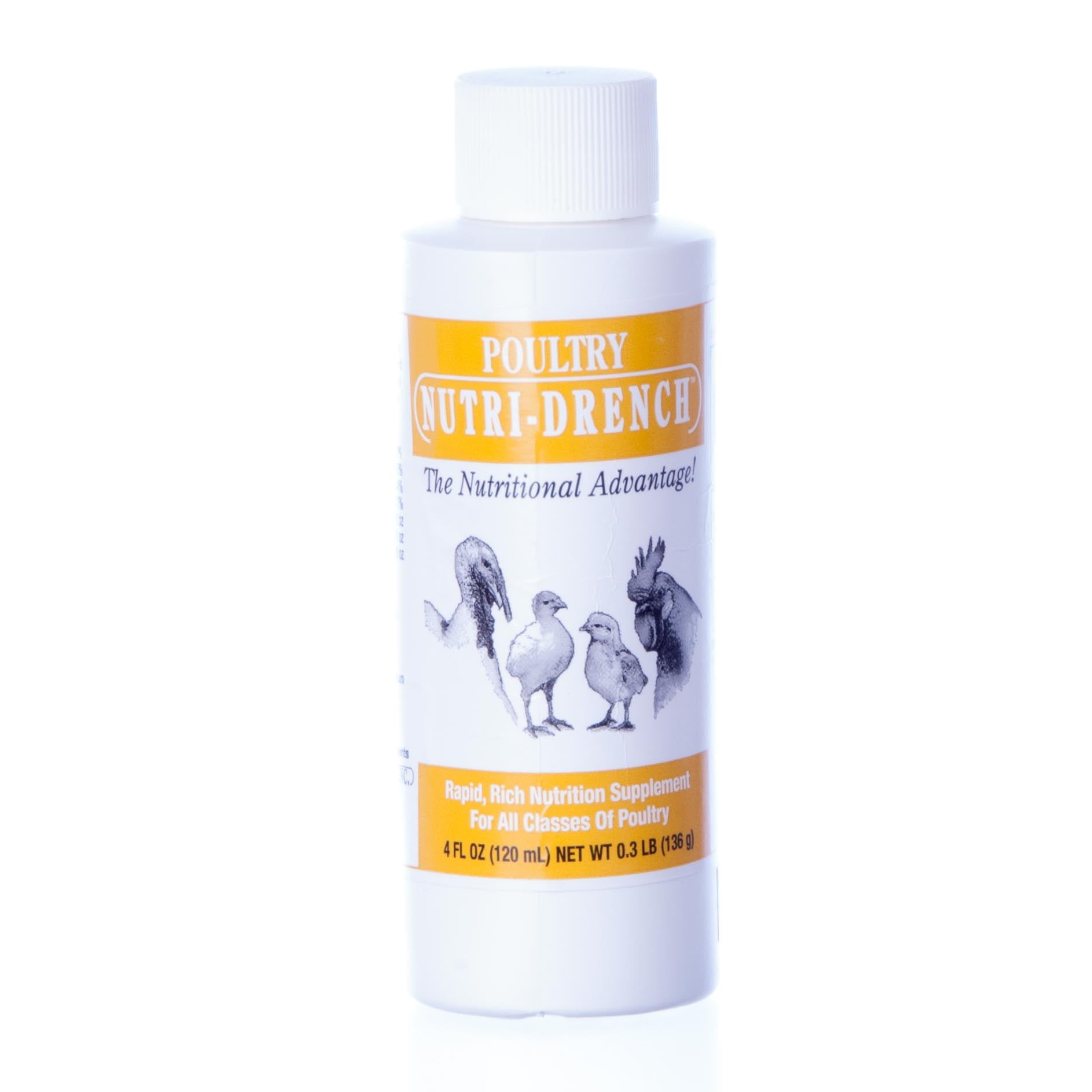
Nutri-Drench Poultry Solution
The undisputed gold standard for shock, hypothermia, and non-eating birds. Because its glucose and vitamins bypass standard digestion and enter the bloodstream directly via…
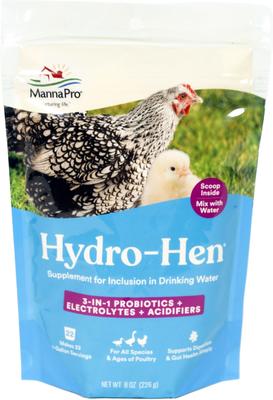
Manna Pro Hydro-Hen Water Additive
A reliable 3-in-1 summer staple delivering balanced sodium, potassium, probiotics, and acidified minerals. It excels during heatwaves above 90°F when panting causes respiratory alkalosis.…
Worried about Avian Chlamydiosis?
While conservative supportive care stabilizes early signs, conditions flagged as Moderate Urgency require professional avian examination if respiratory distress, severe lethargy, neurological deficits, or rapid weight loss develop.