
Vitamin D Deficiency in Chickens: Symptoms, Differentials & Protocol
⚡ Quick answer
Vitamin D Deficiency in chickens is a moderate urgency condition marked by penguin-like (weak) stance prior to laying an egg, decreased egg production, and thin or soft-shelled eggs. Isolate affected birds immediately in a warm hospital pen at 75°F to 80°F, provide fresh water with avian electrolytes, and consult a licensed poultry veterinarian.
What are the clinical signs of vitamin d deficiency?
| Stage of onset | Physical presentation | Behavioral indicators | Recommended keeper action |
|---|---|---|---|
| Early onset (Days 1 to 2) | Penguin-like (weak) stance prior to laying an egg, Decreased egg production | Subtle reduction in feed intake, slight lethargy, separation from flock | Move bird to hospital crate at 75°F to 80°F, assess crop and vent, measure baseline weight in oz |
| Progressive stage (Days 3 to 5) | Thin or soft-shelled eggs, Small eggs | Huddling under warmth, ruffled plumage, reluctance to walk or forage | Administer avian electrolytes in water, collect fresh droppings for 24 hours |
| Advanced stage (Days 6+) | Calcium pimples on eggshells, Stunted growth | Severe weakness, eyes closed, inability to stand, 15% body weight loss | Immediate veterinary intervention, thermal regulation, diagnostic testing |
How do you distinguish vitamin d deficiency from similar flock diseases?
Poultry diseases frequently mimic one another in backyard flocks. When examining a sick chicken for Vitamin D Deficiency, evaluate these alternative conditions before reaching conclusions:
| Suspected condition | Distinguishing physical features | Clinical rule-out method |
|---|---|---|
| Capillariasis | Presents with overlapping weakness, but displays distinct primary lesions or organ involvement | Avian veterinary physical exam, fecal flotation, or laboratory culture |
| Egg Drop Syndrome | Presents with overlapping weakness, but displays distinct primary lesions or organ involvement | Avian veterinary physical exam, fecal flotation, or laboratory culture |
| Low Blood Calcium (Hypocalcemia) | Presents with overlapping weakness, but displays distinct primary lesions or organ involvement | Avian veterinary physical exam, fecal flotation, or laboratory culture |
How should keepers stabilize a chicken with vitamin d deficiency?
When you observe symptoms consistent with Vitamin D Deficiency, take these structured supportive steps to stabilize the bird while arranging clinical diagnostics:
- Isolate in safe hospital housing: Remove the chicken from the flock immediately. Place the bird in a clean, predator-proof hospital crate or plastic tote lined with fresh paper towels or dry puppy pads in a quiet, warm area maintained between 75°F and 80°F.
- Assess hydration and body condition: Offer fresh, clean water mixed with avian electrolytes and vitamins. Never force water or liquid down the beak, which causes aspiration pneumonia into the open tracheal glottis.
- Sanitize flock equipment and premises: Thoroughly clean and disinfect coop waterers, feeders, and roosting perches with avian-safe disinfectant. Remove damp bedding litter immediately.
- Collect baseline diagnostic data: Note the consistency of droppings, respiration rate, crop fullness, and comb coloration over 24 hours. Record changes in body weight daily to inform veterinary consultation.
- Schedule avian veterinary examination: If the bird displays progressive lethargy, respiratory rales, neurological signs, or severe dehydration, contact a licensed poultry veterinarian for prescription diagnostics.
What veterinary tests confirm vitamin d deficiency in poultry?
Accurate identification requires professional veterinary diagnostics rather than keeper guesswork. Key clinical evaluation tests include:
- History: Evaluation performed by a licensed poultry clinician to verify pathogen identity.
- Clinical signs: Evaluation performed by a licensed poultry clinician to verify pathogen identity.
- Diet analysis: Evaluation performed by a licensed poultry clinician to verify pathogen identity.
How do you prevent vitamin d deficiency from spreading in the coop?
Long-term flock protection depends on sound husbandry and strict biosecurity practices:
- Feed a balanced diet with adequate levels of vitamin D: Essential flock management practice to reduce transmission risks.
Sources and clinical references
- Peer-Reviewed Avian Veterinary Study: Vitamin D Deficiency Clinical Analysis
- Peer-Reviewed Avian Veterinary Study: Vitamin D Deficiency Clinical Analysis
- Peer-Reviewed Avian Veterinary Study: Vitamin D Deficiency Clinical Analysis
- Peer-Reviewed Avian Veterinary Study: Vitamin D Deficiency Clinical Analysis
- Penn State Extension: Poultry Health and Disease Management
- University of Georgia Extension: Avian Health and Biosecurity
- Cornell University College of Veterinary Medicine: Avian Diagnostics
Commonly Confused With: Differential Rule-Outs
Veterinary evaluation rules out these conditions with overlapping clinical signs before prescribing targeted treatment for Vitamin D Deficiency.
Egg Drop Syndrome
Overlapping signs: Misshapen eggs, Change in egg color, Laying soft (thin)/shellless eggs
Aflatoxicosis
Overlapping signs: Loss in appetite, Undigested feed in droppings, Stunted growth
Avian Encephalomyelitis
Overlapping signs: Seizure-like activity, Wry neck, Spinning
Beak Deformity
Overlapping signs: Abnormal or deformed beak
Flockline Verified Remedies & Dosage Check
Avian-reviewed supportive products, real-world keeper sentiment, and verified therapeutic dosages relevant to Vitamin D Deficiency.
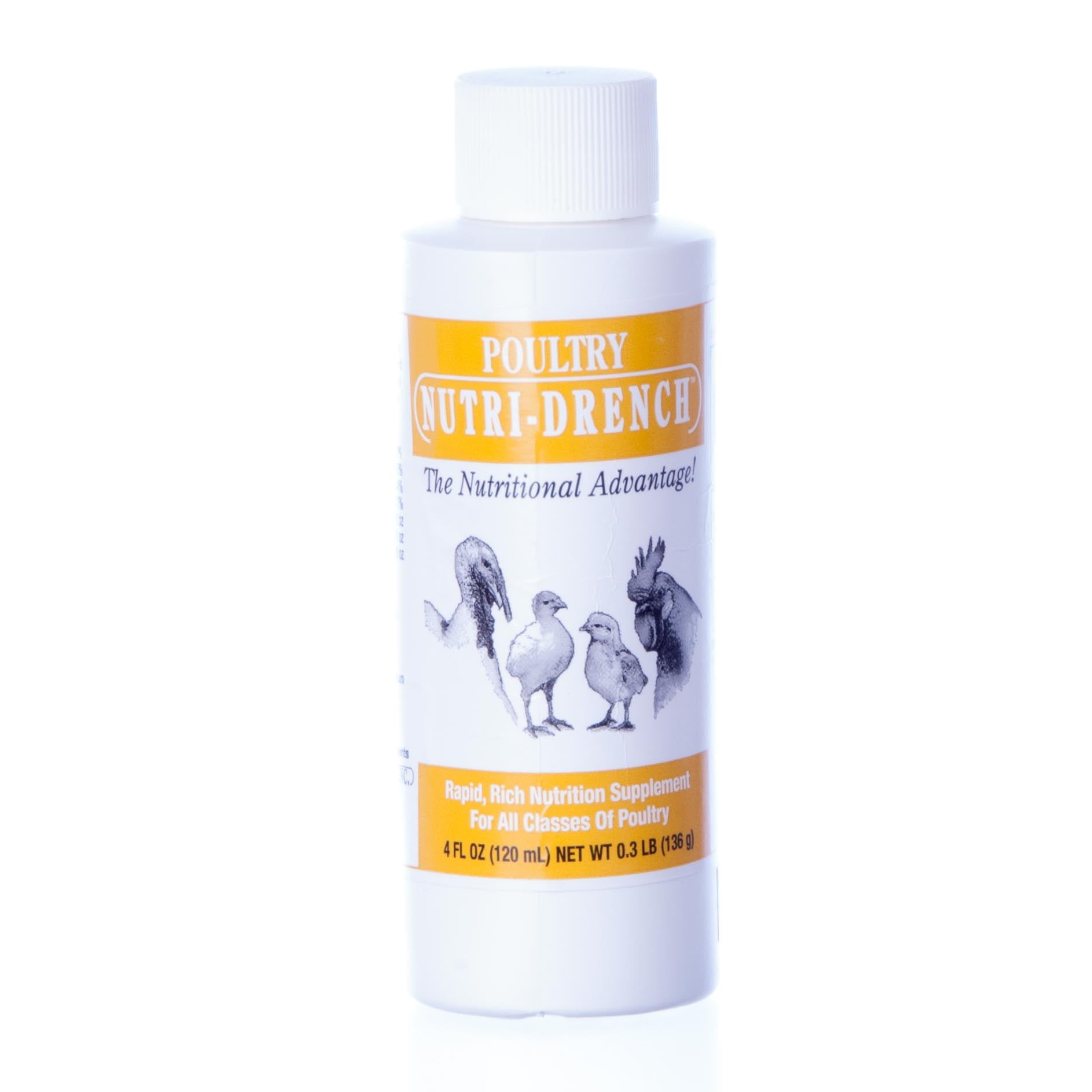
Nutri-Drench Poultry Solution
The undisputed gold standard for shock, hypothermia, and non-eating birds. Because its glucose and vitamins bypass standard digestion and enter the bloodstream directly via…
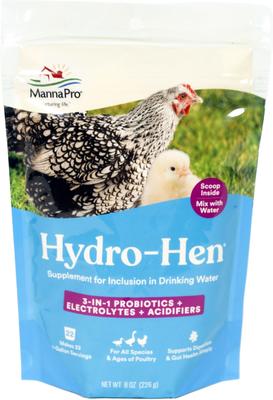
Manna Pro Hydro-Hen Water Additive
A reliable 3-in-1 summer staple delivering balanced sodium, potassium, probiotics, and acidified minerals. It excels during heatwaves above 90°F when panting causes respiratory alkalosis.…
Worried about Vitamin D Deficiency?
While conservative supportive care stabilizes early signs, conditions flagged as Moderate Urgency require professional avian examination if respiratory distress, severe lethargy, neurological deficits, or rapid weight loss develop.