Chicken Poisoning Symptoms: Emergency Triage & Detox Protocol
Quick answer
Immediate Clinical Answer: Acute chicken poisoning manifests within 30 minutes to 6 hours as sudden severe neurological impairment, persistent watery diarrhea, ataxia, crop stasis, tremors, or sudden collapse in previously healthy birds. Common backyard toxicants include anticoagulant rodenticides, organophosphate insecticides, lead or zinc metal fragments, blue-green algae, and toxic plants. Immediate first aid requires isolating the bird, administering an oral activated charcoal slurry at 1.0 gram per 1 kilogram of body weight to bind unabsorbed toxins, and providing oral electrolyte hydration. Never induce vomiting, as birds lack a functional soft palate and easily aspirate fluids into the trachea.
| Toxin Class | Common Source | Key Clinical Indicators | Immediate Antidote / Action |
|---|---|---|---|
| Anticoagulant Rodenticides | Brodifacoum, bromadiolone bait blocks | Pale comb, bloody stool, spontaneous wing bruising | Vitamin K1 (phytonadione) 2.5 to 5.0 mg/kg daily under vet order |
| Organophosphates / Carbamates | Garden insecticides, fly baits, malathion | Salivation, lacrimation, severe muscle fasciculations, tremors | Atropine sulfate 0.2 to 0.5 mg/kg administered by veterinarian |
| Botulinum Neurotoxin | Decomposing carcasses, anaerobic compost | Ascending flaccid paralysis, limp neck, loose feathers | Activated charcoal slurry + magnesium sulfate Epsom flush |
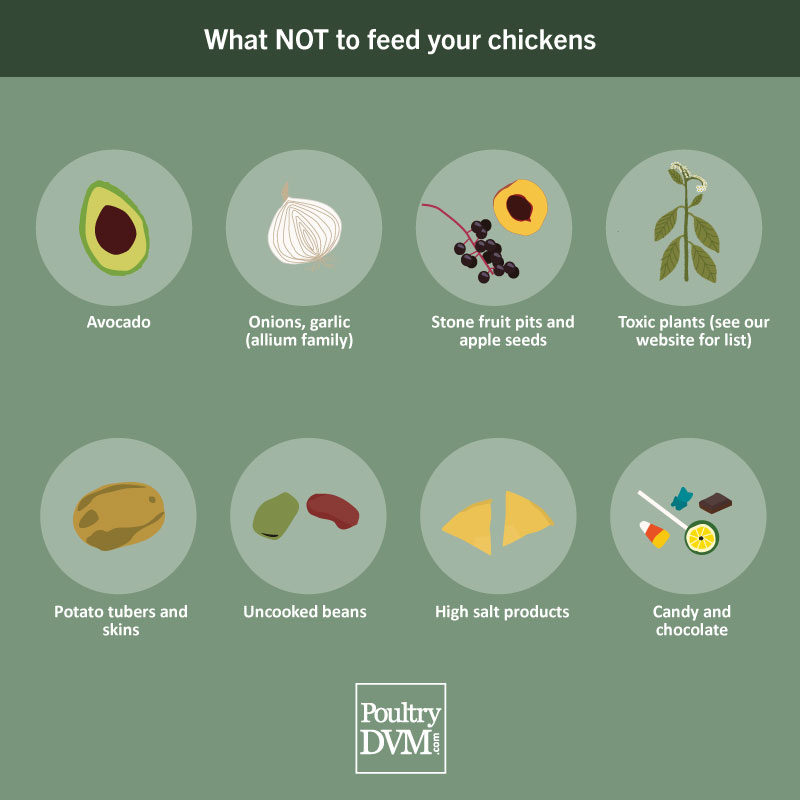
| Toxic Plant Glycosides | Foxglove, oleander, nightshade, yew foliage | Cardiac arrhythmia, vomiting green fluid, sudden death | Immediate activated charcoal slurry and supportive electrolytes |
| Heavy Metals (Lead / Zinc) | Hardware cloth fragments, solder, paint flakes | Bright green watery droppings, wing drop, crop impaction | Veterinary radiographic imaging and Ca-EDTA chelation |
Rapid 5-Step Poisoning Triage Examination
Execute this systematic evaluation within 2 minutes of discovering a suspected poisoned chicken:
- Evaluate Pupil Reactivity and Eye Reflexes: Shine a 300-lumen penlight directly into each eye. Constricted pinpoint pupils indicate organophosphate exposure, whereas asymmetric or unresponsive pupils suggest heavy metal toxicity or severe central nervous system depression.
- Inspect the Beak and Oral Cavity: Check for chemical odors, burning caustic ulcerations, foam, or green plant discharge. Note whether the bird displays excessive salivation or jaw champing.
- Examine Droppings Color and Consistency: Look beneath the roost or on the hospital pad. Emerald green watery stool paired with normal crop fill points to acute lead toxicity or liver failure. Charcoal-black or frank blood indicates severe hemorrhagic gastroenteritis or anticoagulant rodenticide ingestion.
- Palpate the Crop: Check whether the crop feels full of fermenting fluid or hard foreign matter. Stalled crop motility occurs rapidly when neurotoxins paralyze the vagus nerve.
- Assess Motor Coordination and Muscle Tone: Place the bird on a flat rubber mat. Does it stagger, walk backwards, tremble violently, or rest its hocks on the ground? Spastic muscle twitching indicates insecticide exposure, whereas flaccid limp tone points to botulism.
Use the Interactive Chicken Symptom Checker to cross-reference neurological and gastrointestinal signs with environmental hazard factors.
Step-by-Step Emergency Detoxification Protocol
Because there is no universal antidote, emergency treatment centers on stabilizing physiological signs and preventing further toxin absorption across the intestinal mucosal wall:
- Flock Removal and Warmth Isolation: Move the bird immediately to an unheated indoor room or quiet recovery crate maintained at 80 to 85 degrees Fahrenheit (27 to 29 degrees Celsius). Poisoned birds lose body heat rapidly due to peripheral vasoconstriction or metabolic shock.
- Administer Activated Charcoal Slurry: Mix 1.0 gram of food-grade USP activated charcoal powder per 1 kilogram of body weight into 10 mL of lukewarm water. Using a needleless 10 mL syringe, place the syringe tip into the right side of the beak, past the tongue base, and administer 0.5 mL slowly at a time. Activated charcoal possesses an immense surface area that adsorbs plant alkaloids, organophosphates, and bacterial toxins, carrying them safely through the digestive tract.
- Do Not Induce Vomiting: Never turn an intoxicated chicken upside down or attempt to make it vomit. The avian larynx sits on the floor of the mouth behind the tongue and lacks an epiglottis. Regurgitated fluids readily spill into the glottis, causing fatal chemical aspiration pneumonia within seconds.
- Osmotic Laxative (Magnesium Sulfate): Two hours following charcoal administration, dissolve 1 level teaspoon of Epsom salt (magnesium sulfate) in 100 mL of warm water. Administer 5 to 10 mL orally. This accelerates intestinal transit time and prevents the charcoal-toxin complex from desorbing in the lower intestine.
- Continuous Hydration Support: Once the bird passes charcoal-stained droppings, provide clean electrolyte water with 1% added glucose to support renal filtration and liver clearance.
Diagnostic Matrix: Poisoning vs Viral Disease vs Trauma
| Diagnostic Factor | Acute Poisoning | Infectious Disease (Marek’s / Cholera) | Physical Predator Trauma |
|---|---|---|---|
| Onset Speed | Acute: 1 to 6 hours in healthy birds | Subacute to chronic: 3 to 14 days | Immediate: Sudden visible injury |
| Fever / Temperature | Subnormal body temp (under 104 deg F) | High fever (107 to 109 deg F) | Normal to low if in hypovolemic shock |
| Flock Pattern | Multiple birds sharing the same feed or ground area | Slow bird-to-bird horizontal transmission | Single victim or isolated predator casualties |
| Comb Color | Pale pink or dusky purple cyanotic | Pale, crusted, or covered with pox scabs | Pale grey or bloodied from external tears |
When to Consult an Emergency Avian Veterinarian
Immediate licensed veterinary escalation is required if you encounter:
- Spontaneous hemorrhages from the nostrils, cloaca, or feather shafts, which confirms anticoagulant rodenticide poisoning and requires urgent injectable Vitamin K1 therapy.
- Persistent violent tonic-clonic seizures, tremors, or complete loss of consciousness lasting longer than 15 minutes.
- Suspected heavy metal hardware disease where physical metallic wire fragments can be felt in the gizzard or visualized on abdominal radiographs.
- Flock mortality where more than 2 birds collapse simultaneously after eating freshly distributed treats, weeds, or commercial grain.
Verified Clinical References & Extension Sources
- Merck Veterinary Manual: Overview of Poisoning in Poultry: Diagnostics and Toxicology.
- University of California Davis School of Veterinary Medicine: Common Toxicities in Backyard Poultry.
- Mississippi State University Extension: Poisonous Plants and Backyard Poultry Health.
- Cornell University Cooperative Extension: Heavy Metal Poisoning and Hardware Disease in Chickens.