Vaseline vs Wax for Chicken Comb Frostbite: Prevention & Salve Guide
Quick answer
When comparing Vaseline vs wax for chicken comb frostbite, natural beeswax and lanolin salves outperform standard petroleum jelly. Petroleum jelly forms an impermeable occlusive barrier that can trap skin humidity against the comb if applied in a damp coop, paradoxically increasing frostbite risk. Natural salves made from beeswax, coconut oil, or medical-grade lanolin create a moisture-repellent shield while permitting skin respiration. However, salves are only a secondary buffer. Proper high-level coop ventilation to eliminate airborne humidity remains the only reliable method to prevent frostbite completely.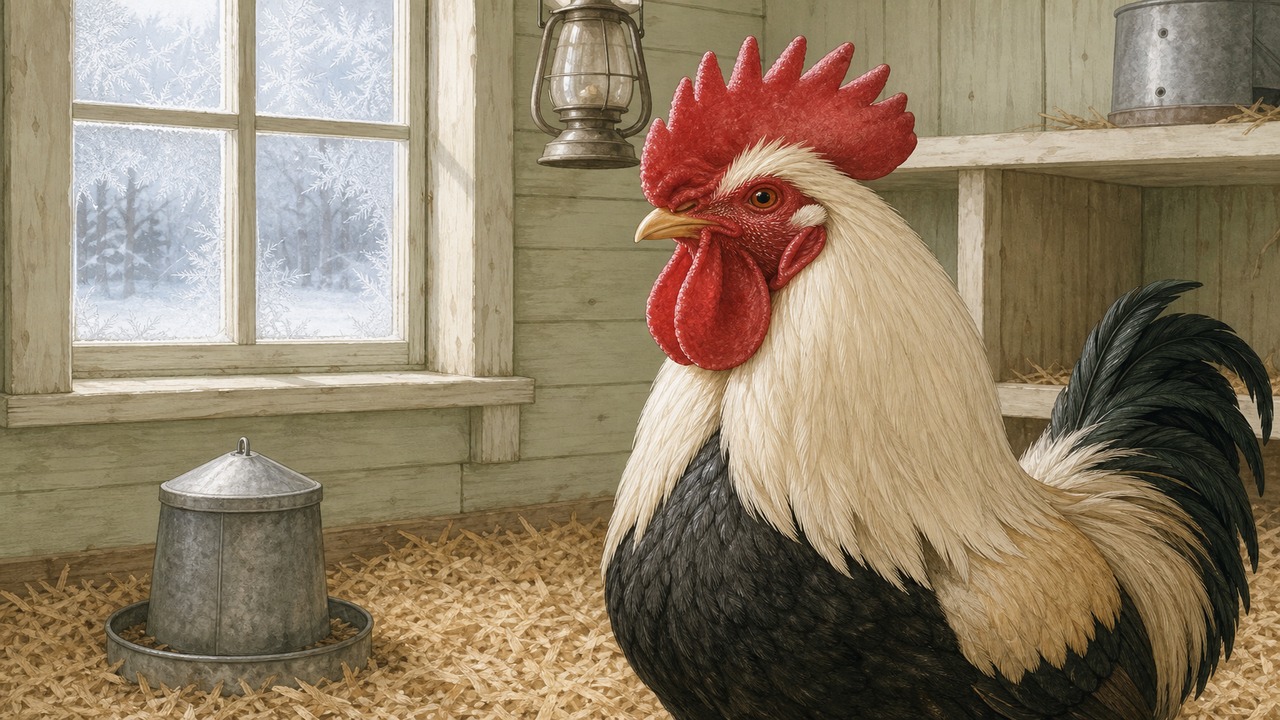
Quick facts
| Highest Risk Birds | Roosters and hens with large single combs (Leghorns, Minorcas, Rhode Island Reds) |
|---|---|
| Vaseline Limitation | 100% occlusive barrier that traps humidity against skin if applied to damp combs |
| Best Protective Salve | Natural beeswax and coconut oil blend or medical-grade lanolin (Bag Balm) |
| Golden Prevention Rule | Ventilate the coop ceiling to remove moisture; salves only provide secondary buffer |
1. How frostbite develops on avian combs and wattles
Chicken combs and wattles are thin fleshy appendages filled with capillary networks. In hot weather, these vascular zones act as natural heat radiators, releasing core warmth into passing breezes. In freezing winter weather, this physiological feature becomes a liability.
When temperatures drop below 20 degrees Fahrenheit (-7 degrees Celsius), the bird’s circulatory system constricts peripheral blood vessels to preserve warmth around core internal organs. Blood flow to the comb spikes and wattle lobes drops sharply. If the coop air is damp from respiration, water condenses on the extremities, ice crystals puncture cell walls, and the tissue dies, turning blanched white, swollen, and eventually black.
2. Vaseline vs natural wax salves comparison
For decades, backyard keepers have smeared petroleum jelly on rooster combs before freezing nights. However, veterinary research shows distinct differences in how topical barriers behave on poultry tissue:
| Barrier Material | Breathability | Moisture-Trapping Risk | Sub-Zero Performance |
|---|---|---|---|
| Petroleum Jelly (Vaseline) | Zero (100% occlusive seal) | High (seals sweat and coop humidity against skin) | Becomes hard and greasy; easily rubs off on roosts |
| Beeswax & Coconut Salve | Semi-permeable breathable shield | Low (allows cellular transpiration while repelling water) | Stays pliable down to 0°F; adheres well to comb points |
| Lanolin-Based Salve (Bag Balm) | High skin absorption with antiseptic | Low (natural sheep wool wax mimics avian preen oil) | Superior staying power; softens chapped tissue |
The danger with petroleum jelly occurs when it is applied inside a coop that already has moderate humidity. Smearing petroleum jelly over cold skin locks microscopic water droplets directly against epidermal cells. As night temperatures plummet, that trapped water freezes against the comb. Natural beeswax salves and lanolin ointments, by contrast, repel external humidity while letting natural skin moisture evaporate.
3. Safe application protocol for winter evenings
- Ensure the comb is completely dry: Apply salves in the late afternoon before the birds roost. Use a clean, soft cloth to gently blot away any moisture from comb spikes and wattle folds before applying salve.
- Warm the ointment in your hands: Cold salve is stiff and painful to spread. Rub a dime-sized amount between your clean fingers until it melts to body temperature.
- Gently coat tips without friction: Pat the salve lightly onto the outer comb spikes and bottom wattle edges. Never pull or squeeze the comb.
- Inspect existing damage: If the comb tips are already white, swollen, or dark grey, do not rub them. Massaging frozen tissue causes cell membranes to rupture, guaranteeing tissue loss. Leave frozen combs alone in a dry coop and spray with antimicrobial veterinary hydrogel once thawed.
Frequently Asked Questions
What should I do if my rooster’s comb is already black?
Blackened comb tips indicate dead, necrotic tissue from frostbite. Do not attempt to cut or pick the black parts off. The dead tissue acts as a protective biological shield while the underlying healthy flesh heals. Over several weeks, the dried black tips will slough off naturally on their own. Isolate the rooster if flock mates peck at the wound.
Can frostbite cause systemic infection in chickens?
Yes. If thawed frostbitten tissue becomes contaminated with coop bacteria, secondary bacterial infections can enter the bloodstream. Monitor the bird for lethargy, foul odor, or pus along the boundary between dead and living tissue using our free symptom checker.
Which chicken breeds never get comb frostbite?
Breeds with small, flat combs that stay close to the skull are naturally cold-hardy and rarely suffer frostbite. These include Wyandottes (rose comb), Ameraucanas and Easter Eggers (pea comb), Chanteclers (cushion comb), and Buckeyes (cushion comb).
Sources and further reading
- University of Minnesota Extension: Winter Care and Frostbite Prevention in Backyard Flocks.
- Merck Veterinary Manual: Physical Examination and Thermal Injury in Poultry.
- Flockline Learn: Preventing Chicken Frostbite Without Artificial Heat.