Chicken Shivering in Coop: Hypothermia Signs & Emergency Warming
Quick answer
If you see a chicken shivering in the coop, evaluate their responsiveness and posture immediately. Mild shivering while standing alert with puffed feathers is a normal thermogenic reaction used to generate body heat. However, if the bird is hunched on the floor, uncoordinated, unresponsive, or has a pale purple comb, they are suffering from severe hypothermia. Bring the chicken indoors to a draft-free 65 to 70 degree Fahrenheit room, wrap them in dry towels, and warm them slowly. Never place a freezing bird under intense direct heat lamps or in warm water, which causes fatal cardiovascular shock.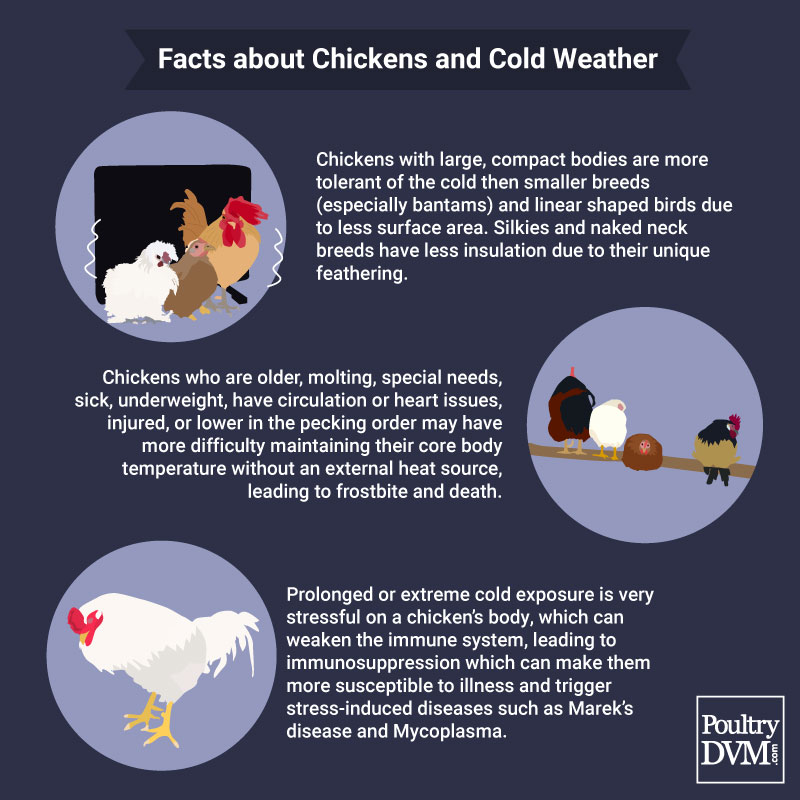
Quick facts
| Normal Body Temperature | Chickens maintain high core body heat between 105°F and 107°F (40.5°C to 41.5°C) |
|---|---|
| Normal Shivering | Rapid pectoral muscle shivering while standing alert and feeding is healthy thermogenesis |
| Critical Hypothermia | Core temperature below 98°F, bird slumped on belly, eyes closed, uncoordinated |
| Emergency Rule | Warm the bird slowly over 1 to 2 hours in a dry 70°F room, never with hot water or intense heat lamps |
1. Normal thermogenesis vs life-threatening hypothermia
Seeing a chicken tremble in the winter coop understandably causes concern for flock owners. However, shivering is a chicken’s primary involuntary mechanism for generating body heat. The bird contracts and relaxes its massive flight pectoral muscles at high frequency, converting metabolic energy into thermal warmth.
To determine if emergency intervention is required, perform this rapid physical assessment:
| Clinical Sign | Normal Cold Thermogenesis | Severe Hypothermia Emergency |
|---|---|---|
| Posture & Stance | Standing upright on perches, feet tucked under feathers | Slumped on breastbone, unable to perch or stand |
| Eye Alertness | Bright, clear, tracking movement in coop | Dull, glazed, closed, or unresponsive to voice |
| Comb & Wattle Color | Bright red or slightly pink | Blanched grey, waxy white, or cyanotic deep purple |
| Feather Condition | Puffed dry plumage trapping insulating air | Damp, matted feathers, soaked belly, or ice crusting |
| Righting Reflex | Normal balance and vigorous wing flapping when held | Limp neck, head drooping, flaccid legs |
2. Four emergency steps to rescue a freezing chicken
When a chicken suffers true hypothermia, incorrect warming methods can kill the bird faster than the cold. Follow this gentle clinical protocol:
- Move indoors to a temperate room: Bring the bird into a draft-free utility room, bathroom, or garage maintained at 65 to 70 degrees Fahrenheit (18 to 21 degrees Celsius). Place the bird inside a high-sided cardboard box lined with dry towels. Do not place the box directly on cold concrete.
- Provide slow, indirect warmth: Wrap a warm water bottle (filled with warm tap water, not boiling) in a towel and place it against the bird’s flank. Never put a hypothermic bird into a warm water bath or under a 250-watt brooder heat lamp. Rapid surface heating causes sudden vasodilation, dropping core blood pressure and causing fatal circulatory shock.
- Administer warm glucose electrolytes: Only offer fluids once the chicken is awake, sitting upright, and holding its head steady. Mix 8 ounces of warm water with 1/2 teaspoon of sugar or raw honey and a pinch of salt. Place small droplets on the side seam of the beak using an eyedropper. Allow the bird to swallow voluntarily; never force liquid down the throat.
- Feed high-energy warm mash: As body temperature normalizes toward 105 degrees Fahrenheit, provide warm scrambled eggs, warm oatmeal, or crushed layer pellets moistened with warm electrolyte water to replenish depleted glycogen reserves.
3. Returning the recovered bird to the flock
Do not return a recovered chicken directly back into sub-zero coop temperatures immediately. Moving a bird from a warm 70-degree room back into a 10-degree coop can trigger severe respiratory shock. Keep the bird in an unheated porch or garage (45 to 50 degrees Fahrenheit) for 24 hours to re-acclimate before returning them to the flock on a sunny morning.
Frequently Asked Questions
Why do chickens shiver even when it is not very cold?
Chickens may shiver during feather molt in autumn when bare skin patches are exposed to wind. Shivering can also signal acute pain from egg binding, trauma from predator attacks, or systemic infection. Check the bird for other warning signs using our interactive avian symptom checker.
Can a chicken survive being frozen stiff?
Chickens possess remarkable resilience. Birds found seemingly comatose with shallow breathing and stiff limbs have made full recoveries when rewarmed slowly over two to four hours. As long as there is a faint heartbeat or corneal eye reflex, begin slow rewarming immediately.
Should I put an electric blanket under a shivering chicken?
Do not use high-output human electric heating pads. If using a heating pad, set it to the lowest warm setting and place two thick towel layers between the pad and the bird. Monitor continuously to prevent thermal burns.
Sources and further reading
- Merck Veterinary Manual: Avian Emergency Medicine and Hypothermia Management.
- University of Minnesota Extension: Managing Cold Stress in Backyard Flocks.
- Flockline Learn: Chicken Lethargic or Not Eating? First Triage Steps.