Chicken Lethargic Isolation Protocol: Sick Bay Setup and First Aid
Quick answer
A chicken lethargic isolation protocol requires moving the ill bird into a quiet, warm, and secure hospital crate away from the flock within thirty minutes of observation. Chickens instinctively hide illness until severely weakened. Set up a dog crate lined with clean puppy pads or dry towels rather than loose shavings. Maintain ambient temperature between 80 and 85 degrees Fahrenheit using a safe radiant ceramic heater or heating pad under half the crate. Provide room-temperature electrolyte water and monitor crop fullness, hydration, and droppings continuously.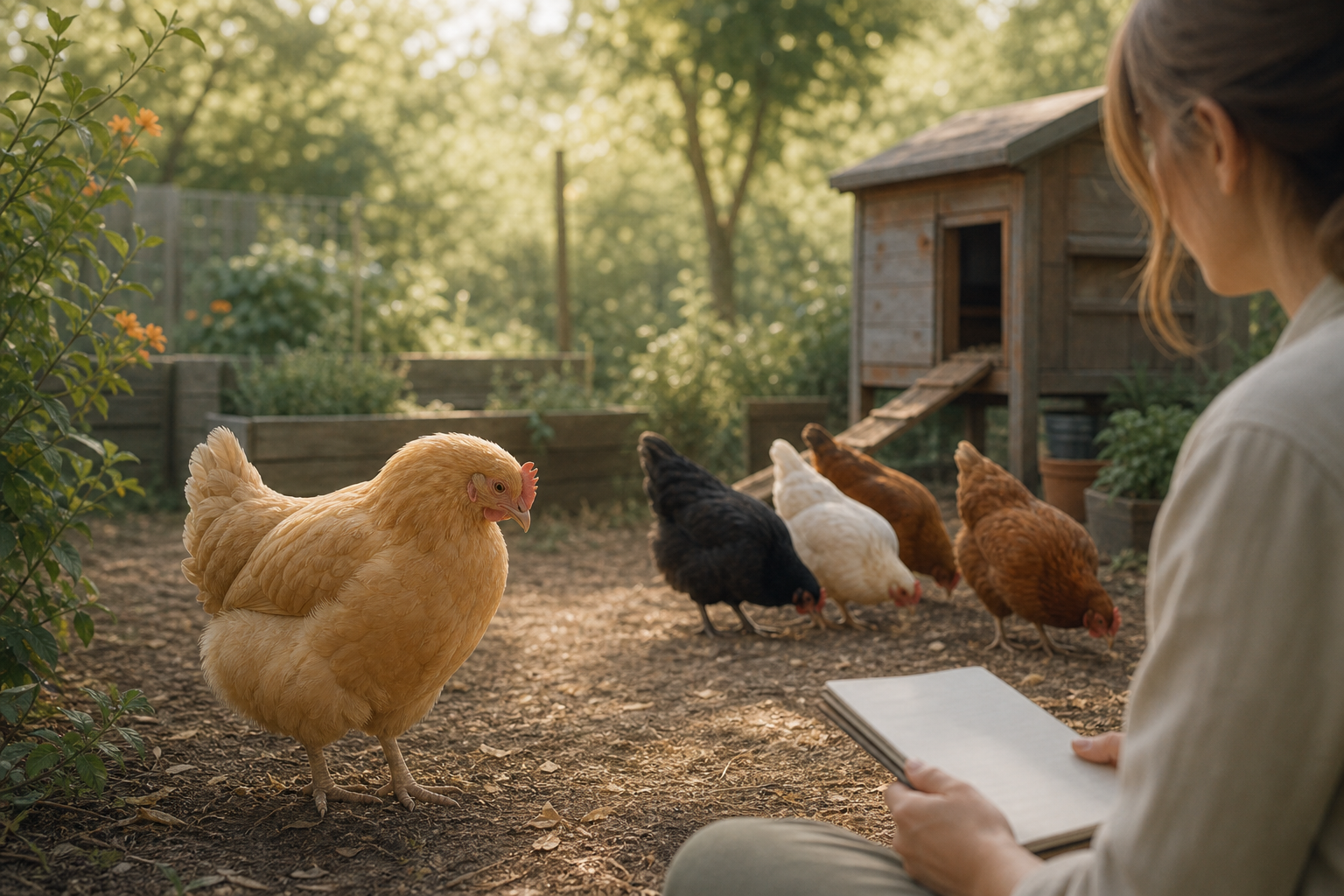
Quick facts
| Initial Reaction Window | Isolate within 30 minutes of observing withdrawn posture or lack of appetite |
|---|---|
| Hospital Crate Climate | Maintain ambient warmth between 80 and 85°F with zero drafts |
| Bedding Recommendation | Absorbent white puppy pads or clean towels (avoids dusty shavings that stick to vents) |
| First Fluid Priority | Warm oral poultry electrolytes before offering dense solid grain or commercial pelleted feed |
1. The flock psychology of isolation
Because chickens are prey animals, flocks operate under a strict social hierarchy. When an individual bird displays physical infirmity, flock mates often attack, pecking at the ailing bird’s comb, vent, and eyes to drive potential predator targets away from the roost.
According to poultry health extension guides from Mississippi State University Extension, isolating a lethargic hen provides three non-negotiable benefits: it protects the ill bird from physical trauma, limits contagious disease transmission through waterers, and conserves critical body heat in a climate-controlled recovery space.
| Sick Bay Element | Recommended Configuration | Why This Matters |
|---|---|---|
| Enclosure Type | Medium wire dog crate (30 to 36 inches) | Prevents escape, keeps predators out, easy to clean and sanitize |
| Flooring Material | White disposable absorbent puppy pads | Allows immediate inspection of droppings without dust entering lungs |
| Temperature Control | Radiant heating plate or heating pad set to low under crate floor | Provides safe 85°F thermal zone without danger of glass heat lamp fires |
| Lighting Level | Dim, indirect light (drape towel over three crate sides) | Lowers stress hormones, promotes restful cellular repair |
2. 4-step emergency isolation workflow
When you discover a hen standing withdrawn, fluffed up, or unresponsive, execute this sequential workflow:
- Remove the hen quietly without chasing: Approach the hen slowly, cup both wings with your hands, and lift her calmly. Chasing a sick bird triggers acute cardiopulmonary arrest.
- Settle into the warm sick bay: Place the hen inside the prepared crate. Ensure the heat source warms only one end of the enclosure so the bird can move to a cooler zone if she overheats.
- Offer warm electrolyte hydration: Dip the tip of her beak into a shallow dish of warm water with poultry electrolytes. Never force liquid down a bird’s throat with a syringe, as liquid easily enters the trachea and causes fatal aspiration pneumonia.
- Conduct a full physical examination: Record body weight, crop fullness (empty, hard, or squishy), vent cleanliness, eye clarity, and respiration rate using the printable health record sheet.
3. Monitoring parameters and recovery milestones
Keep the bird in the isolation ward and log progress every four hours:
- Droppings recovery: Normal formed feces indicate returning digestive motility. Watery bile or starvation droppings indicate continued decline.
- Crop emptying check: The crop should empty fully overnight. A crop that stays packed and sour in the morning indicates crop stasis or sour crop.
- Reintroduction threshold: Do not return the hen to the flock until she has shown normal energetic foraging, bright comb color, solid droppings, and independent eating for at least 48 continuous hours.
Frequently Asked Questions
Can I keep a sick chicken inside my house?
Yes. A bathroom, laundry room, or heated garage provides an ideal recovery environment with stable temperatures. Wash your hands thoroughly and disinfect footwear before returning to the outdoor flock to maintain biosecurity.
How long should a sick chicken stay isolated?
Maintain isolation until the bird is symptom-free, eating vigorously, and producing normal droppings for at least 48 consecutive hours. If treating a contagious respiratory illness, keep the bird isolated for at least two weeks.
What if my sick chicken refuses to eat or drink?
Offer high-moisture, irresistible recovery foods such as warm scrambled eggs, warm oatmeal made with electrolyte water, or baby food squash. If the bird refuses all fluids for more than twelve hours, seek immediate avian veterinary evaluation for tube feeding.
Sources and further reading
- Mississippi State University Extension: Managing Sick and Injured Backyard Poultry.
- Merck Veterinary Manual: Supportive Care and Fluid Therapy in Avian Patients.
- Flockline Learn: Chicken Lethargic Not Eating: 3-Minute Observe and Escalate Protocol.