Favus (White Comb) in Chickens: Fungal Ringworm Triage & Treatment
Quick answer
Immediate Clinical Answer: Favus, commonly called white comb, is an avian dermatophyte fungal infection caused primarily by Microsporum gallinae (also classified as Lophophyton gallinae). It presents as chalky white, powdery spots or white crusts on the comb, wattles, and earlobes that slowly expand into a continuous honey-comb scaly layer. Unlike nutritional pale comb caused by anemia or molting, favus produces distinct physical white scales that can be scraped off with a fingernail. Favus is contagious through direct contact and contaminated wooden roosts. It responds reliably to topical antifungal creams applied for 14 consecutive days.
| Feature | Favus (Fungal White Comb) | Pale Comb (Anemia / Molt) | Dry Fowl Pox (Early Stage) |
|---|---|---|---|
| Surface Texture | Chalky, powdery, white crusty scales | Smooth, flat skin, normal texture without crusts | Raised bumpy yellowish nodules darkening to brown |
| Physical Coating | True surface fungal plaque that scrapes away | Skin pigment change; no residue on touch | Firm epithelial wart-like growth |
| Spreading Pattern | Starts as small white dots, merges into thick coat | Diffuse uniform pink or pale orange across whole head | Scattered individual scabs over head and legs |
| Feather Involvement | Advanced cases spread to neck feathers causing loss | Feather loss only if active molt is occurring | No direct feather loss; strictly unfeathered skin |
| Zoonotic Risk | Yes: Can infect human skin as mild ringworm | No: Purely internal physiological change | No: Avipoxvirus cannot infect human tissue |
The 3-Step Scratch and Light Diagnostic Test
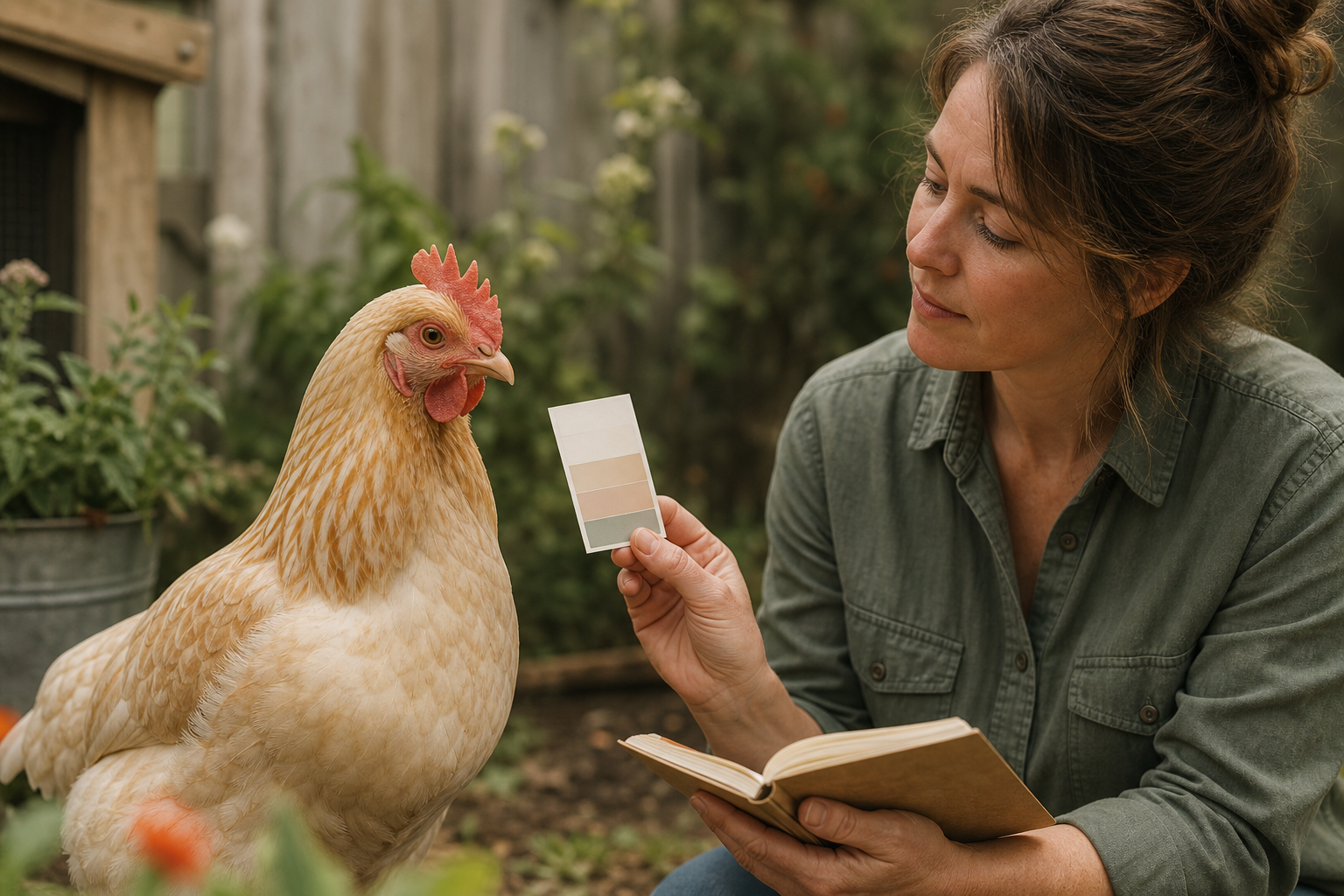
Before applying medications, verify that the white appearance is an external fungal colony rather than circulatory anemia:
- Examine Under Direct Light: Inspect the comb under bright light with 5x magnification. Favus shows powdery, flour-like white deposits with irregular margins, often centered around tiny skin creases or small pecking scabs.
- The Gentle Glove Scratch Test: Wear disposable nitrile gloves. Gently scrape the surface of the white patch with a gloved thumbnail. If dry, powdery, chalk-like scales flake away revealing red, irritated skin underneath, the condition is favus. If the skin is pale all the way through without surface flaking, the bird has systemic anemia (check for mites, lice, or internal worms).
- Inspect the Feather Bases: Part the feathers at the base of the skull and upper neck immediately adjacent to the comb. If the fungal mycelium has invaded feather follicles, you will see cup-shaped crusts around the feather shafts and brittle, breaking plumage.
Confirm whole-bird health and egg production trends with the Interactive Chicken Symptom Checker to rule out underlying parasitic infestations.
Step-by-Step Topical Treatment Protocol
Treating favus requires persistent topical antifungal management. Because dermatophyte fungal spores persist in skin scales, continue treatment for at least 7 days after all visible white crusts disappear:
- Isolate and Wear Gloves: Quarantine affected birds in an easily sanitized wire or plastic isolation cage. Always wear disposable nitrile gloves when handling infected chickens, as Microsporum gallinae can cause ringworm lesions on human skin.
- Warm Cleansing Soak: Moisten a clean cloth with warm water (100 to 102 degrees Fahrenheit / 38 degrees Celsius) mixed with 1% dilute povidone-iodine. Hold the cloth against the comb for 2 minutes to soften the thick white crusts. Gently wipe away loose surface scales. Do not scrub forcefully enough to cause bleeding.
- Apply Topical Antifungal: Apply a thin, even layer of 2% Miconazole nitrate cream (standard human athlete’s foot or yeast cream) or 1% Clotrimazole cream twice daily. Work the cream thoroughly into all comb points, wattles, and behind the earlobes.
- Alternative Natural Salves: For mild early cases, pure unrefined coconut oil mixed with 3 drops of tea tree oil per 30 ml (1 ounce) can be applied. Coconut oil contains lauric acid, a natural antifungal fatty acid. However, for established thick crusts, 2% miconazole is significantly more reliable.
- Coop Environmental Decontamination: Fungal spores survive on damp wood for months. Scrape wooden roosting perches thoroughly and disinfect them with a 10% household bleach solution or veterinary quaternary ammonium compound. Allow perches to dry completely in sunlight before returning birds to the coop.
Flock Prevention and Environmental Hygiene
| Hygiene Measure | Execution Frequency | Clinical Purpose |
|---|---|---|
| Roost Perch Scraping & Sanitizing | Every 7 days during an active outbreak | Removes fungal spore reservoirs from wooden perches |
| Bedding Replacement | Complete clean-out at start of treatment | Eliminates shed fungal scale build-up in litter |
| Glove Hygiene & Hand Washing | Every handling session | Prevents zoonotic ringworm spread to family members |
| Flock Visual Screening | Weekly night-roost inspections | Catches early 1 mm white dots before multi-bird spread |
When to Consult a Licensed Veterinarian
Contact a veterinarian if you observe any of the following complications:
- White crusts spread downward into the feathered neck and back areas despite 10 consecutive days of topical antifungal application.
- The comb develops ulcerations, deep fissures, or thick yellow pus, indicating a secondary bacterial infection requiring systemic prescription antibiotics.
- Multiple flock members lose weight, become depressed, or display labored breathing, which can indicate systemic fungal aspergillosis rather than localized dermatophytosis.
Verified Clinical References & Extension Sources
- Merck Veterinary Manual: Favus in Poultry: Etiology, Clinical Signs, and Control.
- University of Florida Extension (EDIS): Common Poultry Diseases: Skin and Feathers.
- Iowa State University Center for Food Security and Public Health: Dermatophytosis in Animals.
- Auburn University College of Agriculture: Parasitic and Fungal Diseases of Backyard Chickens.