Hardware Disease & Heavy Metal Toxicity in Chickens: Lead and Zinc Triage
Quick answer
Immediate Clinical Answer: Hardware disease and heavy metal toxicity occur when chickens ingest shiny metallic debris, wire clippings, staples, lead shot, or galvanized zinc hardware cloth particles while foraging. Chickens possess an instinct to consume small stones for the muscular gizzard (ventriculus). Trapped in the acidic gizzard (pH 2.0 to 2.5), heavy metals corrode and release toxic lead or zinc ions into the bloodstream. Clinical signs include bright emerald-green watery droppings, progressive leg weakness, wing drop, crop stasis, and severe weight loss. Definite diagnosis requires veterinary X-rays, and treatment centers on calcium EDTA chelation therapy and endoscopic or surgical object removal.
| Clinical Feature | Lead Poisoning (Plumbism) | Zinc Poisoning (New Wire Disease) |
|---|---|---|
| Common Sources | Old peeling paint flakes, lead sinkers, solder, shot | Freshly galvanized wire fencing, nuts, screws, staples |
| Primary Pathology | Disrupts heme synthesis, peripheral nerve demyelination | Severe pancreatic islet necrosis, gizzard ulceration |
| Distinctive Droppings | Bright emerald-green bile-stained watery stool | Bright green to white frothy watery diarrhea |
| Neurological Signs | Bilateral wing drop, ataxia, blindness, tremors | General lethargy, weak legs, crop hypomotility |
| Veterinary Chelation | Calcium EDTA (35 to 50 mg/kg IM twice daily) | Calcium EDTA or D-penicillamine under veterinary supervision |
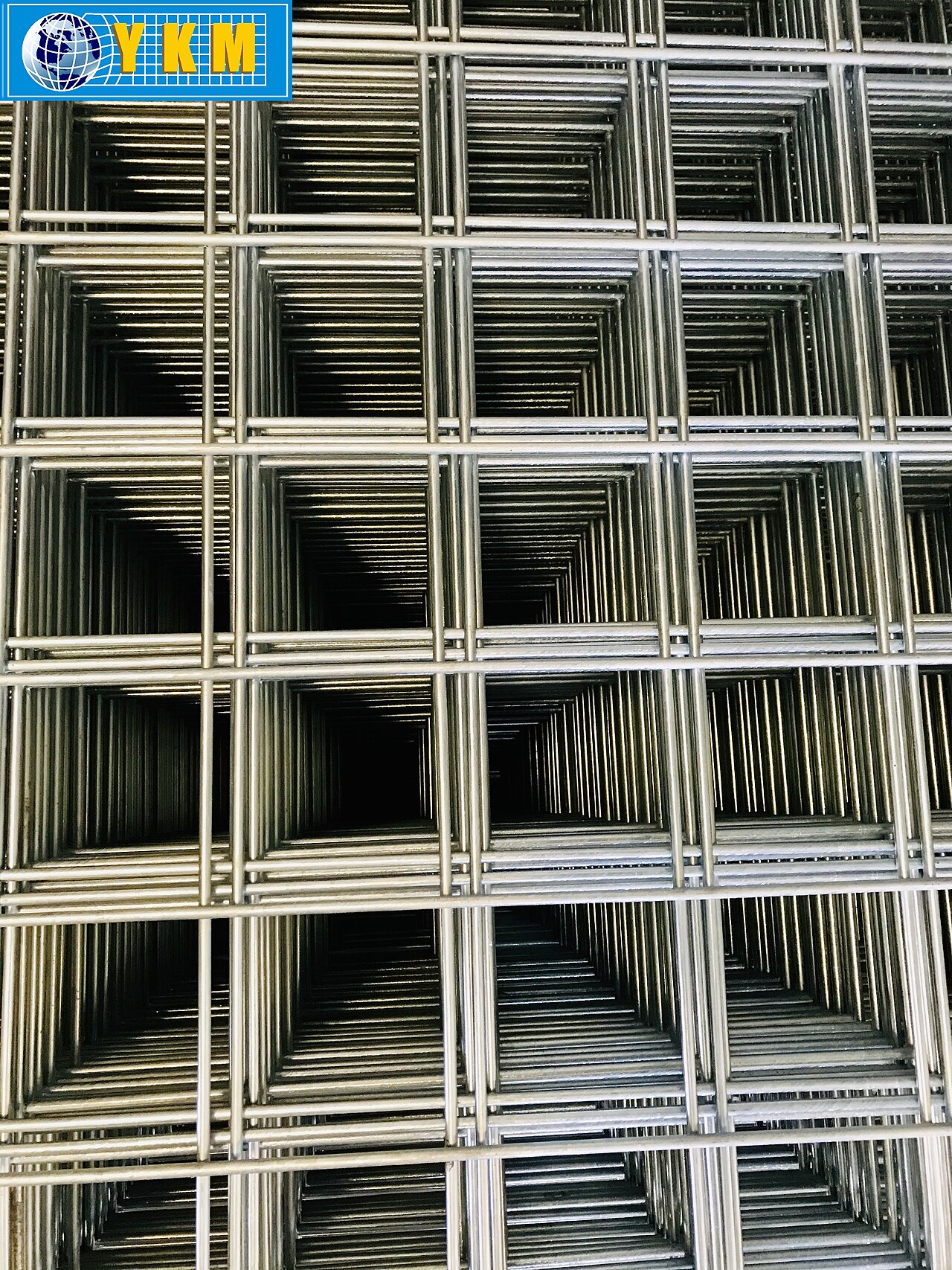
The 4-Step Physical Examination for Metal Toxicity
If a chicken shows progressive weakness and emerald-green droppings, execute these diagnostic checks:
- Evaluate Dropping Pigment: Inspect freshly passed stool on clean paper. In heavy metal toxicity, bile is excreted in excess without digestive transit, producing fluorescent emerald-green liquid with white urate caps. This differs from coccidiosis (orange mucus or blood) and normal cecal droppings (brown pudding-like).
- Test the Wing and Leg Stance: Hold the chicken standing on a flat surface. Birds with lead plumbism display classic bilateral wing drop: both wings hang loosely at the sides with tips brushing the bedding because the radial nerves become paralyzed.
- Palpate the Crop and Lower Ventriculus: Check the crop at dawn. In heavy metal toxicosis, the muscular gizzard stops grinding, causing secondary crop stasis. The crop feels soft, fluid-distended, and fails to empty despite withholding overnight feed.
- Screen the Yard with a Magnetic Sweep: Use a high-power neodymium magnet on an extension rod over the chicken run, especially around old wooden coop walls, construction areas, and perimeter fencing. Recovering small 1 to 5 mm galvanized wire clippings confirms environmental exposure risk.
Log observations using the free Interactive Chicken Symptom Checker to determine whether your bird displays symptoms requiring urgent radiographic imaging.
Clinical Chelation and Veterinary Treatment
| Therapy Step | Clinical Mechanism | Administration Parameter |
|---|---|---|
| Radiographic Imaging (X-Ray) | Visualizes radiopaque metallic particles in gizzard | High-contrast orthogonal whole-body X-rays |
| Calcium EDTA Chelation | Binds circulating lead/zinc ions for renal excretion | 35 to 50 mg/kg intramuscularly every 12 hours for 5 days |
| Gastric Bulk Lubrication | Encourages small wire bits to pass naturally | Psyllium husk fiber or barium sulfate mash via crop tube |
| Ventriculotomy / Endoscopy | Physical extraction of large or sharp foreign bodies | Surgical intervention performed by licensed avian surgeon |
Backyard Prevention and Yard Safety Protocol
Because removing heavy metal fragments from a chicken’s gizzard is surgically challenging and expensive, prevention is the only reliable flock defense:
- Never Cut Hardware Cloth Over the Run: Trim wire mesh, fencing, and hardware cloth on a clean tarp far away from the chicken grazing area. Dropped 2 mm wire fragments shine brightly in sunlight and attract curious chickens within seconds.
- Wash Galvanized Metal with Vinegar: Brand-new galvanized wire and galvanized metal troughs carry a white zinc-carbonate surface coating. Scrub new galvanized surfaces with a 50/50 mix of white distilled vinegar and water before chickens contact them to neutralize surface zinc salts.
- Scrape and Seal Old Paint: Barns, outbuildings, and vintage coops built before 1978 frequently contain lead-based paint. Chickens relish pecking flaking paint chips for their calcium-like sweet taste. Enclose peeling siding behind 1/2-inch hardware cloth or scrape and repaint with non-toxic exterior latex.
- Run Perimeter Magnetic Sweeps: Pass a rolling magnetic yard sweeper across the coop run every spring and after any carpentry, roof repair, or fence construction.
When to Consult an Avian Veterinarian
Seek professional veterinary intervention immediately if:
- A hen displays bright green watery droppings accompanied by bilateral drooping wings and an inability to perch.
- You observe a bird swallowing a metal staple, nail, or lead fishing weight.
- Whole-flock blood lead level screening is needed if eggs are consumed by young children or pregnant women. Lead readily transfers into the yolk and albumen.
Verified Clinical References & Extension Sources
- Association of Avian Veterinarians (AAV): Heavy Metal Poisoning in Companion and Backyard Birds.
- Merck Veterinary Manual: Lead Toxicity and Hardware Disease in Poultry.
- University of Illinois Extension: Lead in Backyard Flocks: Soil and Egg Safety.
- North Carolina State University College of Veterinary Medicine: Zinc Toxicosis and Foreign Body Removal in Galliformes.