Toxic Plants for Chickens: 15 Backyard Hazards & Emergency Checklist
Quick answer
Immediate Clinical Answer: While free-ranging chickens instinctively avoid most bitter poisonous vegetation, acute toxic plant ingestions occur when green forage is scarce or when garden trimmings are thrown into the run. The most dangerous backyard plants include: (1) black nightshade and green potato foliage (solanine glycoalkaloids), (2) foxglove and oleander (cardiac glycosides causing heart failure), (3) yew needles (taxine alkaloids causing sudden death), (4) raw dry kidney beans (phytohaemagglutinin lectins), and (5) castor bean seeds (ricin). Ingestion causes crop impaction, vomiting green slime, paralysis, and cardiac collapse. Activated charcoal slurry (1.0 g/kg) is the primary emergency field first aid.
| Plant Species | Active Toxic Compound | Toxicity Level | Primary Symptoms in Chickens |
|---|---|---|---|
| Yew (Taxus species) | Taxine A and B alkaloids | Lethal (under 5 needles) | Sudden collapse, bradycardia, respiratory arrest |
| Foxglove (Digitalis) | Cardiac glycosides (digitoxin) | Severe | Cardiac arrhythmias, crop vomiting, severe weakness |
| Black Nightshade / Green Potato | Solanine & chaconine glycoalkaloids | High | Salivation, diarrhea, dilated pupils, paralysis |
| Castor Bean (Ricinus communis) | Ricin (ribosome inactivating protein) | Extremely Lethal | Severe hemorrhagic enteritis, liver failure, convulsions |
| Raw Kidney Beans (Phaseolus) | Phytohaemagglutinin (lectin) | Severe (under 5 raw beans) | Red blood cell agglutination, rapid mortality within 24 hours |
| Rhubarb Leaves (Rheum) | Soluble calcium oxalates | Moderate to High | Kidney damage, hypocalcemia, thin-shelled eggs |
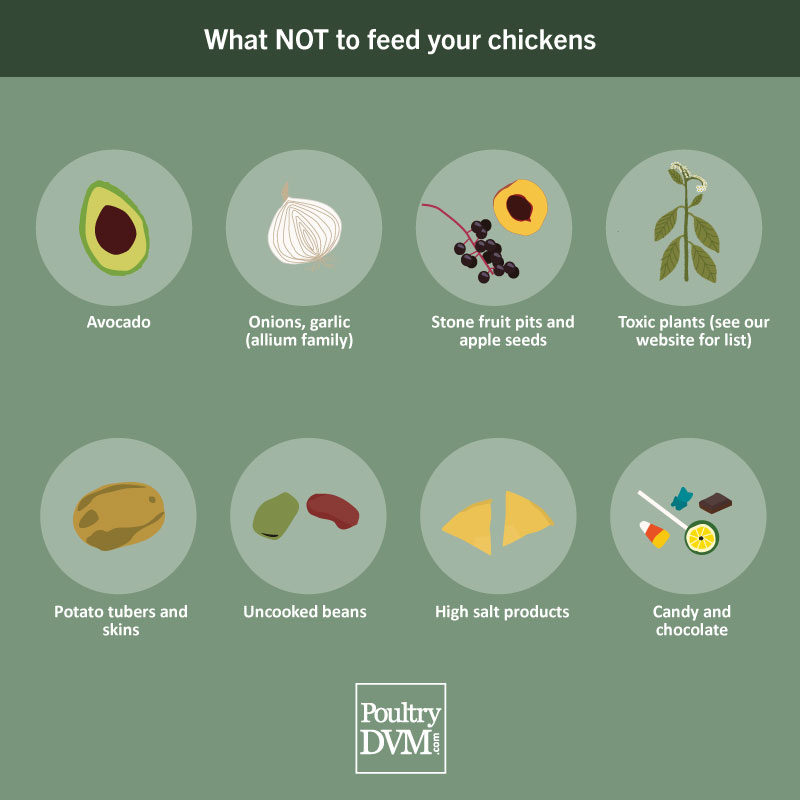
The 4-Step Garden Ingestion Triage Checklist
When you observe a chicken eating suspect garden trimmings or pasture weeds:
- Identify the Plant Specimen Immediately: Take a clear photograph of the leaf structure, flower, and stem. Collect a physical sample in a clean zip-top bag to show your veterinarian.
- Calculate Exposure Dose and Time Elapsed: Determine how many minutes or hours have passed since ingestion. Toxins absorbed past the crop into the duodenum within 60 to 90 minutes produce rapid systemic organ damage.
- Inspect the Beak and Oral Cavity: Check for plant remnants lodged in the mouth. Gently rinse the oral cavity with sterile water or 0.9% saline, tilting the head downward so fluids drain out the beak without entering the windpipe.
- Administer Activated Charcoal Field Dose: Administer 1.0 gram per kilogram of body weight of USP activated charcoal suspended in 10 mL of water using an oral syringe along the right beak corner. Charcoal binds solanine, cardiac glycosides, and ricin molecules before gut uptake.
Use the Flockline Interactive Chicken Symptom Checker to identify specific organ symptoms and check emergency thresholds.
Detailed Clinical Profiles of Key Garden Hazards
1. Raw Kidney Beans & Garden Beans (Phytohaemagglutinin)
Raw dry kidney beans contain exceptionally high concentrations of the lectin phytohaemagglutinin. While thoroughly boiled or canned beans are safe, as few as 3 to 5 raw beans can kill an adult hen within 24 to 48 hours by causing red blood cells to clump (agglutinate) and destroying gut epithelial microvilli. Never throw raw dry beans or uncooked bean plant seeds into the compost pile.
2. Nightshade Family: Tomatoes, Potatoes & Eggplants (Solanine)
The green foliage, stems, unripened green fruit, and sprouted eyes of potatoes contain solanine and chaconine glycoalkaloids. Fully ripe red tomatoes and cooked potatoes are safe, but raw green potato peels and tomato vines cause gastrointestinal ulceration, severe neurological depression, and crop paralysis.
3. Yew Shrubs (Taxine Alkaloids)
Yew shrubs commonly planted as ornamental garden hedges are among the most lethal plants in veterinary toxicology. Every part of the plant except the fleshy red aril contains taxine alkaloids that inhibit cardiac calcium and sodium channels. Ingesting as few as 2 to 4 needles causes cardiac arrest within 1 to 3 hours.
Backyard Run Safety Rules
| Management Practice | Safety Specification | Hazard Prevented |
|---|---|---|
| Garden Waste Screening | Inspect all lawn mower clippings and garden trimmings | Prevents wilted toxic leaves and fast-fermenting grass impaction |
| Perimeter Hedge Buffer | Keep run at least 6 feet away from yew, oleander, or foxglove | Prevents chickens pecking through wire at toxic shrubs |
| Compost Pile Enclosure | Fenced with 1/2-inch hardware cloth, secure top latch | Blocks access to raw potato peels, moldy bread, and dry beans |
| Spring Forage Inspection | Mow and remove nightshade, hemlock, and pokeweed weeds | Eliminates early tender toxic shoots in grazing paddocks |
When to Call an Avian Veterinarian
Seek professional veterinary help immediately if:
- A bird ingests known yew, oleander, or castor bean seeds within the past 2 hours, requiring immediate veterinary gastric lavage under general anesthesia.
- The chicken displays severe muscular tremors, violent head shaking, or collapse.
- You observe green frothy slime vomiting from the beak, indicating upper gastrointestinal tract corrosive chemical burns.
Verified Clinical References & Extension Sources
- Colorado State University Extension: Guide to Poisonous Plants: Poultry and Small Animals.
- Merck Veterinary Manual: Plant Poisonings in Animals: Lectins, Glycosides, and Alkaloids.
- University of Maryland Extension: Backyard Poultry Biosecurity and Toxic Plant Management.
- Purdue University Department of Animal Sciences: Common Weeds Toxic to Poultry.