Vetericyn vs Blu-Kote for Chicken Wounds
Quick answer
Vetericyn Plus and Dr. Naylor Blu-Kote serve two distinct stages in chicken first aid. Vetericyn Plus uses isotonic hypochlorous acid to painlessly clean and irrigate open wounds, cuts, pecking punctures, and bumblefoot without damaging live healing tissue or stinging around eyes. Blu-Kote is a topical antiseptic containing gentian violet dye and alcohol that darkens injured skin to deep purple, stopping flock mates from cannibalistic pecking. Use Vetericyn for initial cleaning, and apply Blu-Kote once skin has closed to prevent flock bullying.
Vetericyn Plus and Dr. Naylor Blu-Kote serve two distinct stages in chicken first aid. Vetericyn Plus uses isotonic hypochlorous acid to painlessly clean and irrigate open wounds, cuts, pecking punctures, and bumblefoot without damaging live healing tissue or stinging around eyes. Blu-Kote is a topical antiseptic containing gentian violet dye and alcohol that darkens injured skin to deep purple, stopping flock mates from cannibalistic pecking. Use Vetericyn for initial cleaning, and apply Blu-Kote once skin has closed to prevent flock bullying.
| Clinical & First Aid Metric | Vetericyn Plus Poultry Wound Care | Dr. Naylor Blu-Kote Antiseptic |
|---|---|---|
| Primary First Aid Role | Wound Debridement & Irrigation | Cannibalism & Pecking Deterrent |
| Active Antimicrobial Agent | Hypochlorous Acid (HOCl 0.012%) | Gentian Violet (0.5%) + Acriflavine in Alcohol |
| Application Sting / Pain | Zero Sting (Isotonic pH balanced) | Stings sharply on open, raw flesh (Alcohol base) |
| Safe Around Eyes & Beak | Yes (Non-toxic, safe for eye flush) | No (Avoid eyes, mucus membranes, respiratory) |
| Anti-Pecking Camouflage | None (Clear liquid) | Exceptional (Dyes red tissue dark purple/blue) |
| Staining to Hands & Clothes | Zero (Completely clear, no stain) | Severe (Dyes human hands, coops, and plumage for weeks) |
| Egg & Meat Withdrawal | Zero day withdrawal | Off-label use (Avoid treating meat birds near harvest) |
| Typical Retail Price | $22 – $25 (8 fl oz spray) | $8 – $11 (4.5 oz aerosol / dauber) |
Step 1 Treatment: Vetericyn Plus Poultry Care
1. Vetericyn Plus Poultry Care
Vet Preferred
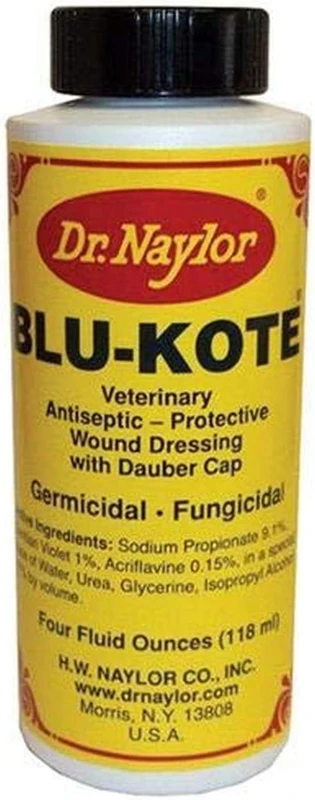
Gentian Violet & Antiseptic Alcohol
Deep Violet-Blue Skin Concealment
Semi-Permanent (Wear Gloves)
Blinds Flock to Red Blood Pecking
Chickens are strongly attracted to the color red. If a hen has an open laceration, raw skin from rooster mating, or a bloody broken feather shaft, the rest of the flock will relentlessly peck at it until the bird is eviscerated. Blu-Kote coats the wound in a dark violet pigment that completely conceals the red blood while its alcohol and gentian violet base creates a dry, protective crust.
- Immediately stops flock pecking frenzy by turning raw red skin deep purple.
- Effective drying action for surface abrasions, scabs, and rooster spur wear.
- Highly economical price point ($8-$11 per can).
- Alcohol base stings intensely if sprayed directly into fresh, deep puncture wounds.
- Severe, semi-permanent staining on clothes, hands, skin, and coop fixtures. Wear gloves!
Tom S., Verified Keeper (Montana Ranch)
The 2-Step Veterinarian Emergency Protocol
- Cleanse (Days 1 to 3): Isolate the injured bird. Flush the open laceration thoroughly with Vetericyn Plus 2 to 3 times daily until swelling subsides and clean granulation tissue forms.
- Reintegrate (Day 4+): Before returning the chicken to the main coop, apply a light mist of Blu-Kote over any remaining pink or raw skin. The dark purple tint blinds the other hens to the wound and prevents cannibalistic pecking.
The Science of Avian Wound Healing: Hypochlorous Acid vs Alcohol Dyes
Avian skin is extremely thin and delicate compared to mammalian skin. When treating poultry lacerations caused by hawk talons, rooster mating spurs, or predator attacks, harsh antiseptics like rubbing alcohol or undiluted hydrogen peroxide damage healthy fibroblasts and delay epithelial healing.
Hypochlorous acid (the active compound in Vetericyn Plus) mimics the natural antimicrobial chemistry produced by avian white blood cells. It operates at an isotonic pH (6.5 to 7.5), destroying bacteria, fungi, and spore walls in under 60 seconds while keeping underlying granulation tissue completely unharmed. Because it carries zero toxicity, keepers can safely flush injuries near the tear duct, nostrils, or vent lip.
In contrast, Dr. Naylor Blu-Kote combines gentian violet with an isopropyl alcohol base. While alcohol delivers strong antiseptic properties, it causes intense stinging when applied to fresh open cuts, inducing shock in stressed birds. Blu-Kote should never be sprayed into deep puncture wounds or open body cavities.
Bumblefoot Soak and Wound Management Protocol
For early-stage bumblefoot (ulcerative pododermatitis with a black necrotic scab on the footpad), follow this non-diagnostic supportive care workflow:
- Step 1 (Epsom Salt Soak): Soak the chicken’s foot in a shallow warm bath containing two tablespoons of Epsom salt per gallon of warm water (98°F to 102°F) for 15 minutes to soften the calloused pad.
- Step 2 (Antiseptic Irrigation): Spray the softened footpad generously with Vetericyn Plus hydrogel, ensuring complete coverage over and around the scab.
- Step 3 (Bandaging): Apply a non-stick gauze pad over the foot and secure it with 1-inch self-adherent cohesive wrap (Vetrap) in a figure-eight pattern between the toes, keeping the bird in clean, dry bedding.
Medical Disclaimer: This guide offers educational husbandry triage. If a bird displays systemic fever, bone swelling, or inability to bear weight, consult a licensed avian veterinarian.
Authoritative Veterinary Extension Sources