Coccidiosis in Chicks: Early Warning Signs Before Bloody Droppings
Quick answer
The earliest warning signs of coccidiosis in young chicks are lethargy, puffed feathers, drooping wings, and standing hunched under the brooder lamp with closed eyes. These behavioral signs appear 24 to 48 hours before bloody stool or severe dehydration occurs. If one chick shows symptoms, treat the entire brooder flock immediately with amprolium in their drinking water.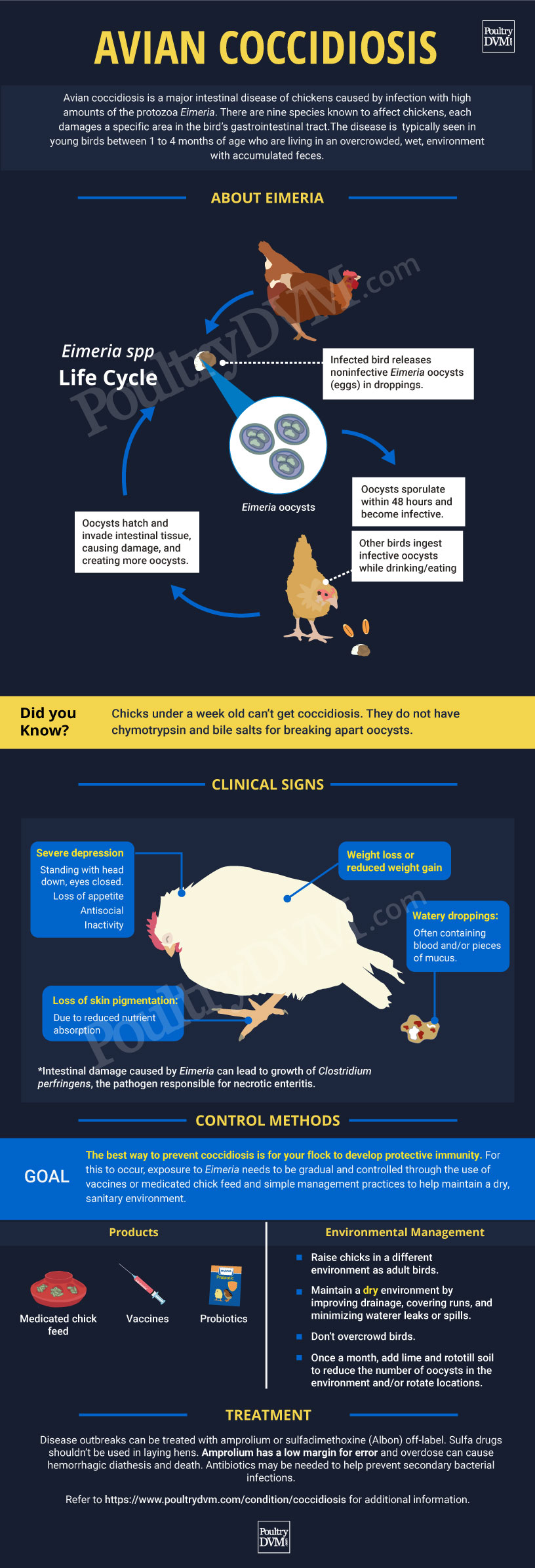
Quick facts
| Peak Risk Age | Chicks aged 1 to 8 weeks |
|---|---|
| Earliest Warning Signs | Huddling under heat source with eyes closed, puffed fluffed feathers, pale beak, and slow crop emptying |
| Critical Window | Treatment must begin within 24 to 48 hours of early behavioral changes |
| Primary Treatment | Amprolium (Corid) in drinking water |
1. The 3-minute morning brooder health check
Prey animals hide weakness instinctively. When you enter the brooder area each morning, pause for two minutes before topping up water or feed:
- Posture and stance: Healthy chicks dart around actively. A chick infected with coccidiosis sits back on its hocks or stands motionless in a hunched, rounded shape with its neck pulled in.
- Feather condition: Look for puffed, ruffled down feathers that make the chick look unkempt or twice its normal size even in warm ambient temperatures.
- Eye alertness: Affected chicks keep their eyes half-closed or fully shut during daylight feeding times.
- Crop fullness: Gently palpate the crop. An infected chick stops eating hours before it stops drinking, leaving the crop flat while flock mates have full, rounded crops.
2. Why coccidiosis strikes young chicks
Coccidiosis is caused by microscopic protozoan parasites called Eimeria. Different species target specific areas of the chicken gut:
| Eimeria species | Primary gut location | Visible signs in brooder |
|---|---|---|
| Eimeria tenella | Ceca (blind pouches) | Bright red bloody droppings, pale skin, severe mortality |
| Eimeria necatrix | Mid-small intestine | Dark brown mucus, severe lethargy, rapid weight loss |
| Eimeria acervulina | Upper small intestine | Watery whitish diarrhea, poor weight gain, ruffled feathers |
Chicks hatch with sterile digestive tracts. As they scratch through litter, they ingest microscopic oocysts. A small number helps them build natural immunity, but warm, damp brooder bedding allows oocysts to sporulate rapidly, overwhelming young immune systems.
3. Immediate triage steps
- Start amprolium water treatment: Mix liquid or powdered amprolium into all drinking water for the entire brooder group. Amprolium mimics thiamine (vitamin B1), starving the coccidia without harming the bird.
- Remove all wet bedding: Strip bedding around water fonts and under the heat plate. Replace it with bone-dry pine shavings.
- Do not supplement B-vitamins during treatment: Giving vitamin supplements containing thiamine while administering amprolium feeds the coccidia and reduces medication effectiveness. Save vitamins and electrolytes for the recovery period after treatment completes.
Frequently Asked Questions
How fast does coccidiosis kill a baby chick?
Without treatment, acute coccidiosis caused by E. tenella or E. necatrix can cause severe intestinal bleeding and death within 3 to 5 days after initial symptoms appear.
Are bloody droppings always coccidiosis?
Most bloody droppings in chicks under 10 weeks old indicate coccidiosis. However, shedding intestinal lining (which appears as pinkish-orange mucus) happens occasionally in normal digestion. If the droppings contain bright red blood, assume coccidiosis and treat immediately.
Can older hens get coccidiosis?
Yes. While adult hens usually have immunity to the local coccidia strains in their environment, moving them to new ground or severe immune stress can trigger an outbreak.
Sources and further reading
- UC Davis School of Veterinary Medicine: Poultry Health and Disease Management.
- NC State Extension: Small Flock Coccidiosis Management Guide.
- Penn State Extension: Poultry Health & Biosecurity.