
Soft Shell Eggs in Chickens: Causes, Triage, and When to Worry
Quick answer
When exploring soft shell egg treatment home remedies, start by offering free-choice oyster shell in a separate dish from their main feed. Hens need accessible calcium to build strong shells. Ensure they are eating a balanced commercial layer feed rather than filling up on kitchen scraps or scratch grains. Heat stress, predator scares, and overcrowding also cause temporary soft shells. Keep the coop quiet, cool, and well-ventilated. Adding a vitamin supplement to the water for a few days can help support mineral absorption. If a hen strains, acts lethargic, or stops eating, seek avian veterinary care to rule out reproductive infection.
Quick facts
| What it is | Egg with a thin, rubbery, or missing hard shell |
|---|---|
| Pattern matters | A few odd pullet eggs are common; recurring soft shells in mature hens need triage |
| First moves | Date the egg, clean the nest, collect more often, confirm complete layer feed and water |
| Not this page | No social-media calcium recipes or drug protocols |
| Escalate | Sick, straining, or multi-bird illness: call a veterinarian |
Finding a soft shell egg feels like a flock emergency. Sometimes it is. Often it is a young hen still learning to lay, or one messy nest morning that got away from you.
This guide is a triage story. You will describe what you found, decide whether it looks like a starter oddity or a recurring pattern, fix the boring nest and feed basics, then decide whether a veterinarian belongs in the conversation.
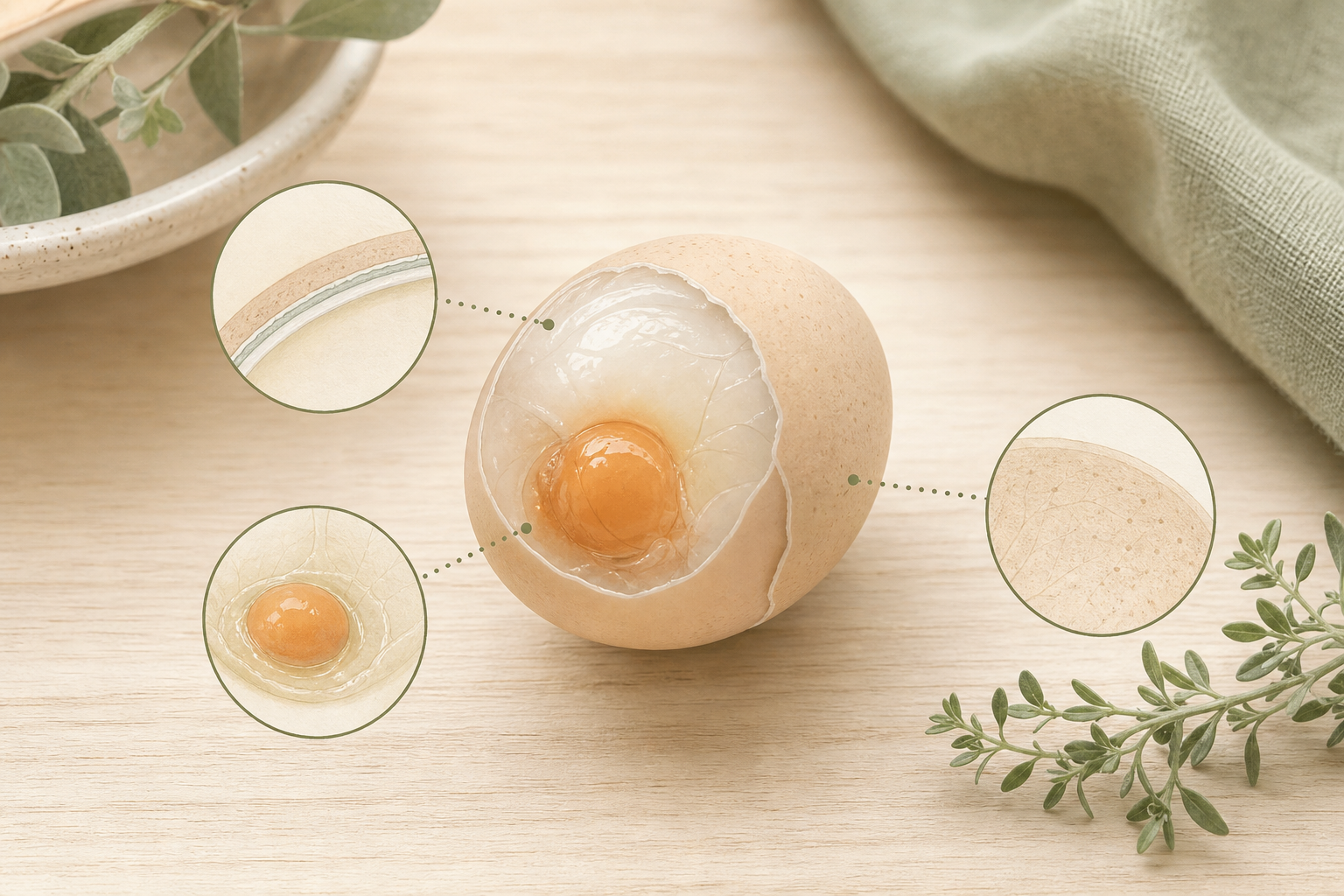
What you are actually looking at
A classic soft shell has membrane and little hard mineral. A thin shell looks almost normal until it dents under a fingernail. Either way, photograph it, write the date, and clean the nest. Soft eggs left in the box teach other hens that eggs are snacks.
One odd egg is data. A week of soft shells from the same mature hen is a different sentence.
Pullets vs a pattern you should not ignore
Pullets often produce a few weird eggs while the reproductive system settles. That is widely described in extension small-flock guidance and in keeper experience. It is still worth noting dates so you can see whether the oddities fade.
Established layers that suddenly drop soft shells deserve a quieter audit: complete feed or scratch-heavy diet, heat stress, overcrowding, recent flock moves, and whether the hen herself looks off. Keep notes in a health record if more than one issue is in play.
Nests and collection beat panic supplements
Fragile eggs need inviting, dry nests and frequent collection. Aim near one box per four to five hens; details live in how many nesting boxes per chicken. Nest-wall openings still need the same hardware cloth standard as the rest of the coop.
Better nests reduce breakage and mess. They do not magically invent shell mineral.
Diet and stress, without comment-thread chemistry
Start with a complete layer feed and constant clean water. Scratch is a treat, not a diet. Heat waves, sealed ammonia-heavy coops, and abrupt feed changes show up again and again next to temporary shell dips. Ohio State’s backyard flock materials (see Sources) stress balanced nutrition and husbandry over improvisation.
This page will not hand you an oyster-shell dosing recipe from a stranger’s viral post. If you change anything nutritional beyond confirming a complete feed, talk to a professional who can see the bird.
Housing comfort is shell context
Hot, wet, poorly ventilated coops stress layers. Review ventilation. If the flock outgrew the building, run the coop size calculator. Predator pressure that keeps birds on edge is part of the stress picture even when the egg is the symptom you noticed first.
When to call a veterinarian
Bring dates, photos, and feed notes if you see lethargy, straining, swelling, multi-bird illness, or soft shells that continue after nest and diet basics in a mature hen. Soft shells are not automatically egg binding, but a hen that is straining and distressed is an emergency, not a forum debate.
Common mistakes
- Panicking over one pullet egg and stacking random supplements the same afternoon.
- Leaving soft eggs in nests until another hen invents egg eating.
- Treating scratch as the main diet while hunting for a calcium gadget.
- Ignoring a lethargic or straining hen because the egg looked interesting online.
FAQ
What causes soft shell eggs in chickens?
Age at first lay, diet issues, heat and stress, and disease can all contribute. Pattern and bird condition guide the next step.
Are soft shell eggs safe to eat?
When in doubt, discard. Food safety is separate from flock triage.
Do soft shells mean egg binding?
Not automatically. Straining and distress are the emergency signs.
Should I add oyster shell immediately?
Confirm complete layer feed and water first. Ask a professional before aggressive supplementing.
Can better nests fix soft shells?
They reduce breakage and mess. They do not replace shell mineral by themselves.
Sources and further reading