Winter Chicken Coop Ventilation: Fresh Air Without Freezing Drafts
Quick answer
To set up winter chicken coop ventilation without drafts, place all active ventilation openings at the highest point of the roof, well above the roosting bars. Chickens generate substantial moisture through breathing and droppings. Warm, moisture-laden air naturally rises toward the ceiling via the stack effect. High soffit or ridge vents allow this humid air to escape before it condenses onto combs and feathers, which causes frostbite. Keep all low-level windows and pop doors sealed at night so cold wind cannot blow directly across sleeping birds.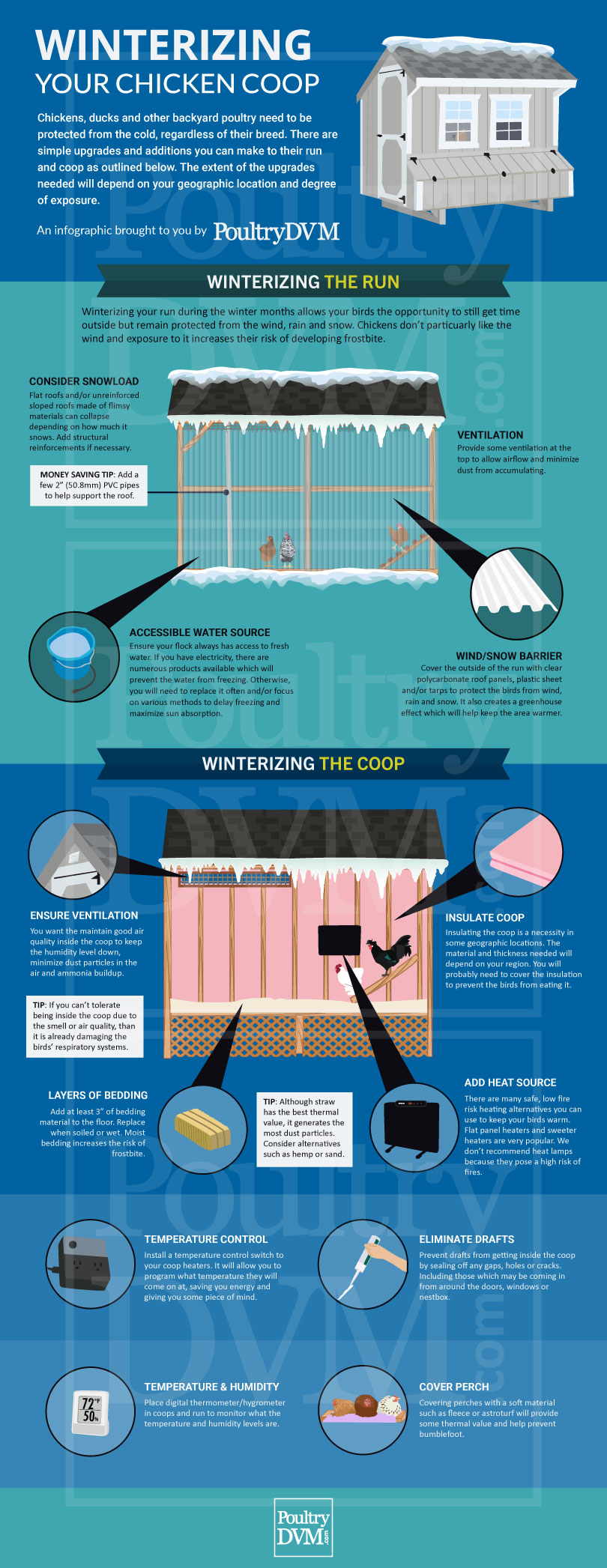
Quick facts
| Vent Placement | Roof ridge, gables, or high eaves (at least 12 to 18 inches above sleeping roosts) |
|---|---|
| Minimum Airflow Target | 1 square foot of permanent, open ventilation per adult chicken year-round |
| Primary Winter Threat | Trapped moisture and humidity above 70%, not ambient low temperature |
| Roost Defense | Solid wind-blocking walls around sleeping perches with zero direct horizontal air movement |
1. Why winter humidity kills chickens faster than cold weather
Backyard flock keepers often instinctively seal their chicken coops tight when sub-zero weather arrives. Sealing the coop creates a humid chamber that endangers your birds. Chickens do not produce liquid urine. Instead, they excrete nitrogenous waste as moist uric acid, and a flock of ten adult hens releases approximately one quart of water into the air every 24 hours through breathing and droppings.
When warm, moist air cannot escape through roof-level vents, it cools rapidly against exterior walls and ceiling boards. Water droplets condense on combs, wattles, and feathers. When the temperature drops below freezing at night, these damp comb tips freeze solid, causing cell necrosis and frostbite. Dry cold rarely harms a healthy chicken with full winter plumage, but damp cold is frequently fatal.
2. The stack effect: how draft-free airflow works
Understanding natural convection allows you to ventilate your coop continuously without subjecting your flock to chilling winds:
| Vent Position | Airflow Dynamics | Roost Protection | Winter Frostbite Risk |
|---|---|---|---|
| Roof Ridge & High Soffits | Exhausts warm humid air continuously via thermal buoyancy | Full protection (air moves well above birds) | Minimal (moisture leaves coop) |
| Perch-Level Windows | Direct horizontal cross breeze hitting roosting flock | Unprotected (causes acute cold stress) | High (wind chills birds directly) |
| Floor & Pop Door Gaps | Heavy cold air enters low across bedding | Partial (chills bottom litter layer) | Moderate (damp bedding freezes) |
The thermal chimney effect (stack effect) works because warm, humid air is less dense than surrounding cold air. As the birds sleep, their collective body heat pushes moisture straight up toward the rafters. If you leave open ridge or gable vents covered with half-inch hardware cloth, the moisture exits passively through the roof. Cold fresh air enters slowly through small, baffled wall intakes, settling on the floor without creating a direct draft on the perches.
3. Four rules for winter coop ventilation
- Position vents at least 12 inches above the roost: Place your main roosting bars lower than the bottom edge of your ventilation openings. If you feel a breeze moving against your hand while standing at roost level, the vent is too low or needs an interior baffle board.
- Never fully seal roof vents: Even when outdoor temperatures fall below zero degrees Fahrenheit, leave high gable vents partially open. You can narrow the opening by half during severe blizzards, but never seal it completely.
- Install wooden baffle boards: Fasten a thin plywood board at an angle inside each vent. Incoming air hits the baffle and deflects up toward the ceiling instead of blowing down across sleeping hens.
- Manage bedding moisture with carbon: Deep pine shavings absorb moisture from night droppings. Check the coop windows every morning: if you see condensation or frost on the glass, your ventilation rate is too low. Calculate your coop volume and floor space using our free coop size calculator.
Frequently Asked Questions
Should I close coop windows completely in winter?
Close windows positioned level with or below your chicken roosting bars to prevent direct wind on the flock. Keep windows or gable louvers that sit well above the roosts cracked open year-round to allow moisture and ammonia to escape.
How can I tell if my coop has too much draft?
Perform the candle or smoke test after dark when the birds are roosting. Light a small candle or smoke pencil at the roost height. If the flame flickers violently or the smoke blows horizontally, you have a direct draft that requires a baffle. If the smoke slowly drifts upward toward the ceiling, your ventilation is optimal.
Does high ventilation make the coop too cold for egg laying?
Healthy chickens maintain internal body temperatures of 105 to 107 degrees Fahrenheit. As long as they are sheltered from wind, rain, and snow, fresh air down to zero degrees Fahrenheit will not harm them. Reduced winter egg laying is caused by shorter daylight hours (under 14 hours of light), not by clean cold air.
Sources and further reading
- Cornell University Cooperative Extension: Winter Poultry Housing and Ventilation Design.
- Penn State Extension: Proper Ventilation for Backyard Flocks.
- Flockline Learn: How Cold Can Chickens Tolerate in Winter?