Chicken Pale Comb Urgent Checklist: 5 Causes and First Aid
Quick answer
A chicken pale comb urgent checklist begins by checking the bird's overall energy and laying status. Non-laying hens and molting chickens naturally lose red pigment in their combs as estrogen levels drop. However, if the comb becomes shrunken, pale pink, or white alongside lethargy, check the vent and roosts at night for blood-sucking red mites. Sudden severe pallor indicates internal bleeding, egg yolk peritonitis, or severe coccidiosis. If the hen stands hunched or feels cold, isolate her in a warm sick-bay immediately.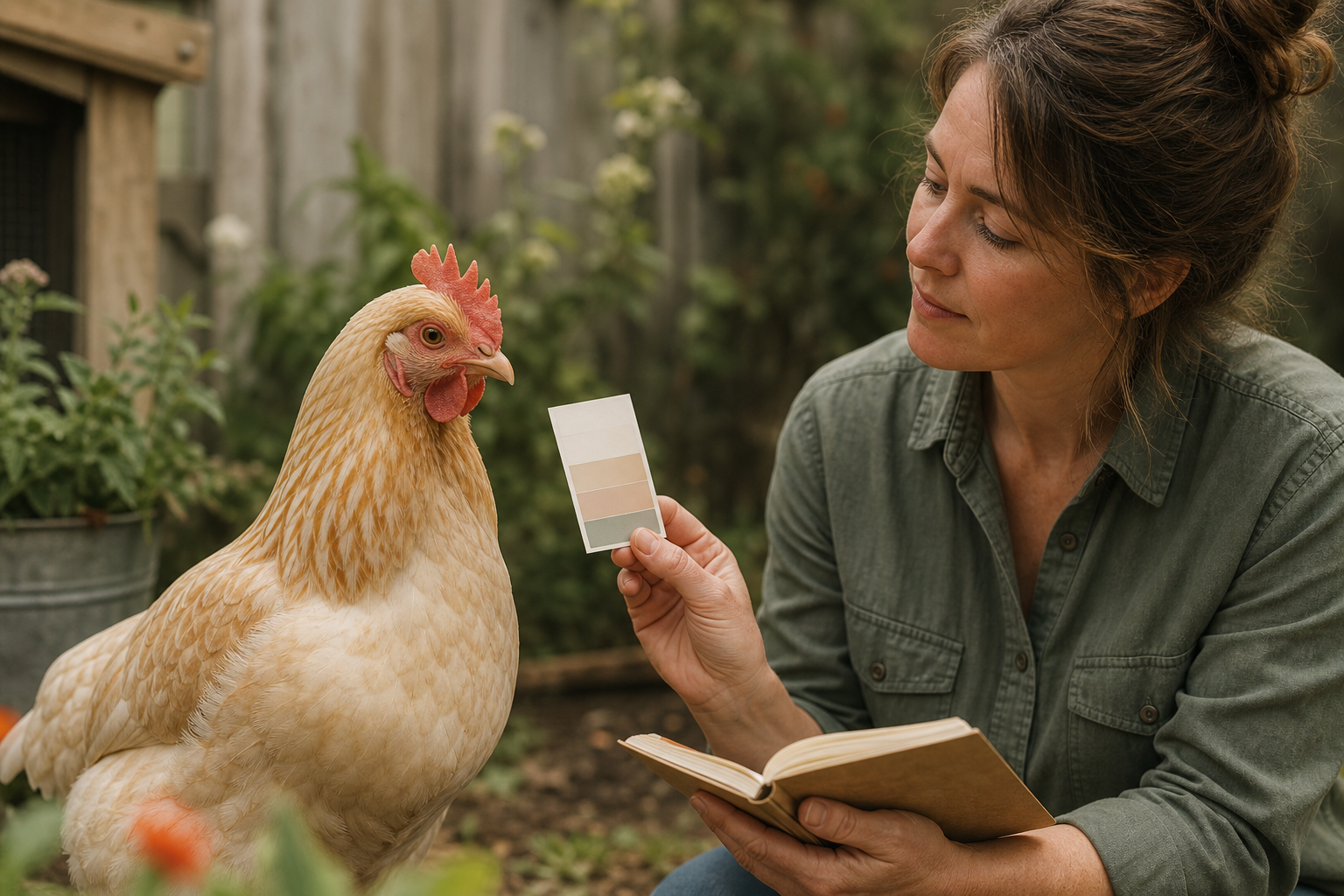
Quick facts
| Normal Comb Color | Bright red to warm pink (indicating active hormonal blood flow and laying status) |
|---|---|
| Natural Pale Phases | Normal seasonal molting, broodiness, and winter egg-laying rest cycles |
| Top Parasite Threat | Red roost mites (Dermanyssus gallinae) feeding on blood during overnight hours |
| Urgent Triage Action | Night inspection of roost crevices with a flashlight and white paper towel rub |
1. Hormonal fading vs acute pathological anemia
A chicken’s comb acts as a vascular barometer of blood volume and reproductive hormones. When a hen prepares to lay eggs, high estrogen levels dilate capillaries throughout the head, making the comb plump, waxy, and scarlet red. When egg production pauses, blood flow naturally recedes.
According to veterinary research from Penn State Extension, healthy chickens in an active molt show dry, pale pink combs that return to bright red once protein reserves rebuild. Differentiating normal physiological rest from life-threatening anemia requires observing behavior and posture:
| Observable Sign | Benign Molt / Non-Laying Rest | Pathological Emergency Anemia |
|---|---|---|
| Comb Texture | Dry, scaly, dull pink, normal firmness | Limp, cold, papery, chalky white or blue-tinted |
| Flock Activity | Scratching, dust bathing, alert foraging | Hunched in corners, tail down, head pulled into shoulders |
| Appetite & Crop | Empty in morning, full and firm at dusk | Flat crop, refusing treats, drinking excessively or not at all |
| Droppings | Formed brown pellets with white urate caps | Watery yellow bile, green starvation mucus, or bloody spots |
2. The 5-step emergency comb checklist
If your bird exhibits a pale comb with decreased energy, complete these five sequential field checks:
- Perform a nocturnal roost inspection: Enter the coop two hours after dark with a bright flashlight. Run a white tissue along the underside of wooden perches and roost brackets. Tiny red or black smears indicate an active red mite infestation draining your flock’s red blood cell count.
- Part the vent feathers: Examine the skin around the cloaca in direct daylight. Look for tiny scuttling poultry lice or clusters of grey mite eggs cemented at the base of feather shafts.
- Check breast meat and keel bone: Run your fingers down the center of the breast. A prominent, razor-sharp keel bone indicates chronic emaciation from internal parasites (roundworms or capillary worms).
- Palpate the lower abdomen: Gently cup the area between the hen’s pelvic pin bones and vent. A tight, fluid-distended abdomen like a water balloon suggests egg yolk peritonitis or ascites.
- Check mucosal membrane color: Gently open the beak and inspect the tongue and throat lining. Chalky, white oral tissues confirm systemic blood loss.
3. Safe stabilization protocol for anemic hens
When sudden comb blanching accompanies lethargy, begin immediate stabilization:
- Move to warm sick bay: Place the hen in a dark, quiet dog crate kept at 80 degrees Fahrenheit to prevent hypothermia.
- Administer poultry electrolytes: Offer fresh water enriched with avian electrolytes and vitamin B complex to stimulate cellular oxygen transport.
- Provide concentrated iron and protein: Offer scrambled eggs dusted with poultry vitamins or iron-rich leafy greens once the bird is drinking independently.
- Run the symptom assessment: Compare observable signs against our free chicken symptom checker to determine if veterinary escalation is necessary.
Frequently Asked Questions
Why does a chicken’s comb turn pale when it gets hot?
High ambient heat causes peripheral blood vessels to dilate for heat dissipation, but severe heat stress can cause circulatory collapse, resulting in a pale, limp, or purple-tipped comb. Move panting birds with pale combs into deep shade immediately and mist their feet with cool water.
Can a pale comb resolve on its own?
Yes. If the pallor is caused by seasonal molting, broody hen hormones, or winter daylight reductions, the comb will naturally regain its bright red color within two to three weeks after egg production resumes.
What does a pale comb with black spots mean?
A pale comb with dark scabs usually indicates dry fowl pox, severe peck injuries from flock mates, or comb frostbite after freezing temperatures. Isolate the bird and apply veterinary antimicrobial hydrogel to prevent secondary bacterial infection.
Sources and further reading
- Penn State Extension: Small Flock Poultry Health and Parasite Identification.
- Merck Veterinary Manual: Ectoparasites and Anemia in Poultry.
- Flockline Learn: Chicken Pale Comb: Whole-Bird Observation Framework.