
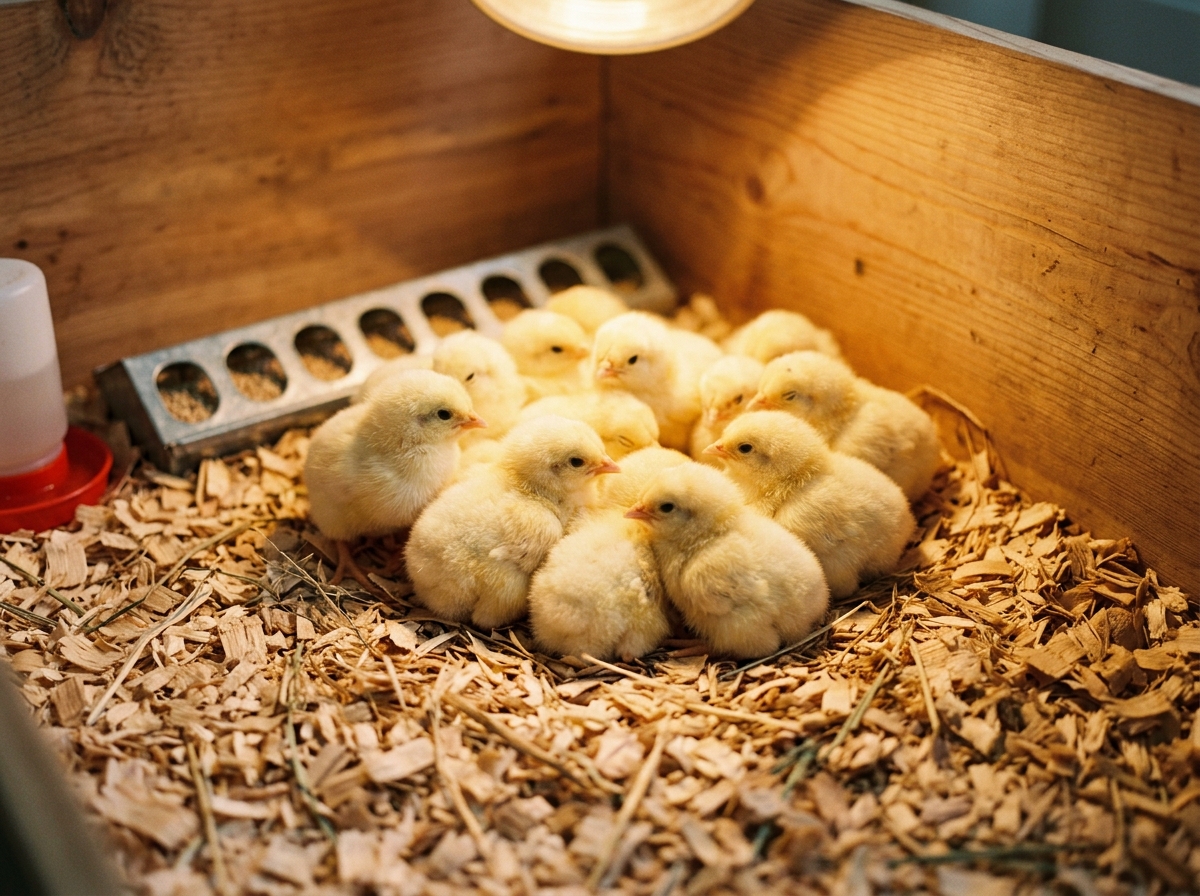
Baby Chick Brooder Heat & Temperature Triage Widget
Calculate week-by-week brooder lamp temperature targets and diagnose chick behavior for cold or heat stress.
Open tool →
Calculate week-by-week brooder lamp temperature targets and diagnose chick behavior for cold or heat stress.
Open tool →
Brown with white cap, foamy cecal, or watery and odd? Visual comparison, what one weird poop means, and when to escalate.
Read guide →
Compare both sides of the face, discharge, breathing, injury, and flock patterns when a chicken's eye or eyelid looks swollen.
Read guide →
Comb turned pink or white? Compare molt and heat to mite anemia, how to inspect the vent and roost, and when pale means urgent care.
Read guide →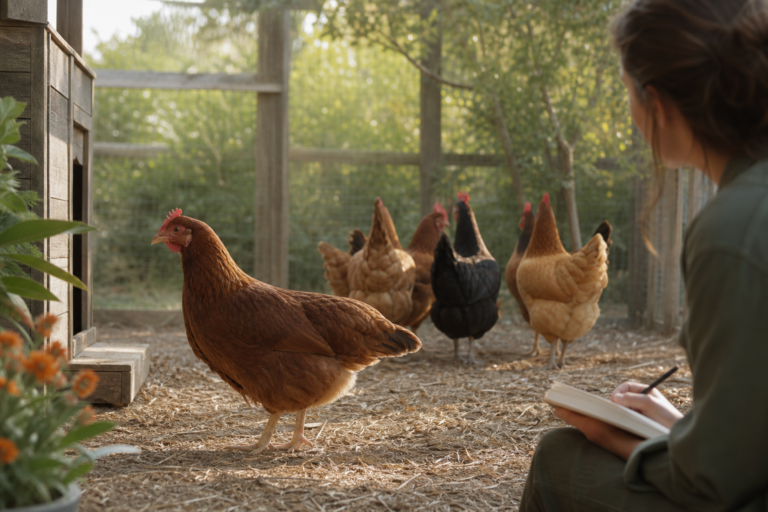
Tail down, penguin stance, or droopy wings? How to tell egg binding from other causes, safe warm-bath support, and red flags for a vet.
Read guide →
A calm, observation-first check for a chicken that is quiet, withdrawn, or not eating, with clear urgent signs and next steps.
Read guide →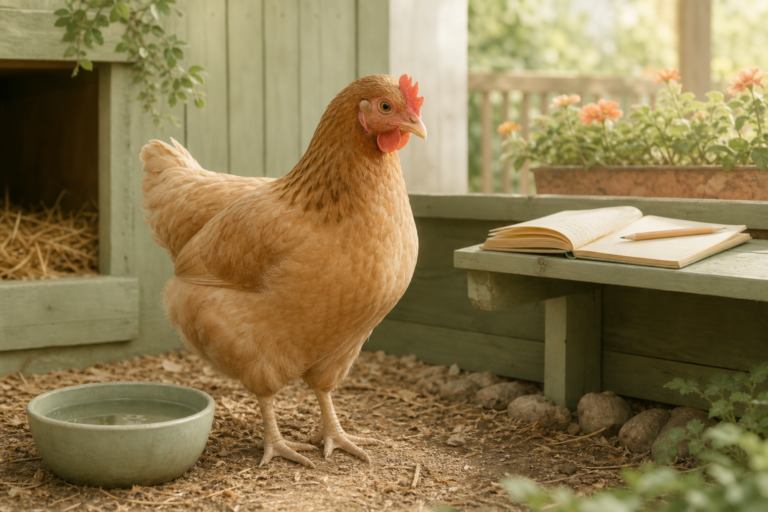
Educational chicken symptom checker for backyard triage: urgency guidance and next steps. Not a veterinary diagnosis.
Open tool →
Chickens typically molt annually as adults, often in autumn, with reduced laying and pin feathers. Learn timing cues and care basics.
Read guide →
Bald patches? Compare molt vs mite signs: pin feathers, night itch, roost checks, and when feather loss means treat the coop.
Read guide →