
Raising Chickens for Beginners: A First-Year Decision Hub
Quick answer
Raising chickens for beginners starts with legality and secure housing, then age-right complete feed and a boring daily rhythm. Use this hub to sequence decisions, then open deeper Flockline Learn guides for mesh, ventilation, brooders, and seasons.
Quick facts
| First gate | Confirm zoning, HOA, and neighbor rules before you buy birds |
|---|---|
| Housing first | Dry, ventilated, predator-resistant housing beats impulse chick purchases |
| Feed stages | Starter, grower, then layer; do not put immature birds on high-calcium layer feed |
| Daily non-negotiables | Clean water, complete feed, egg collection, quick welfare glance |
| Deep links | This pillar sequences decisions; detailed how-tos live on sibling Learn guides |
Raising chickens for beginners is less about memorizing fifty tips and more about sequencing a few hard decisions. Why birds, is it legal where you live, is housing ready, which feed stage are you in, and what will you do on hot, cold, and predator nights.
Flockline Learn already has deep guides for mesh, ventilation, brooders, nests, and seasonal care. This page is the hub: the order of operations before you become a walking search history.
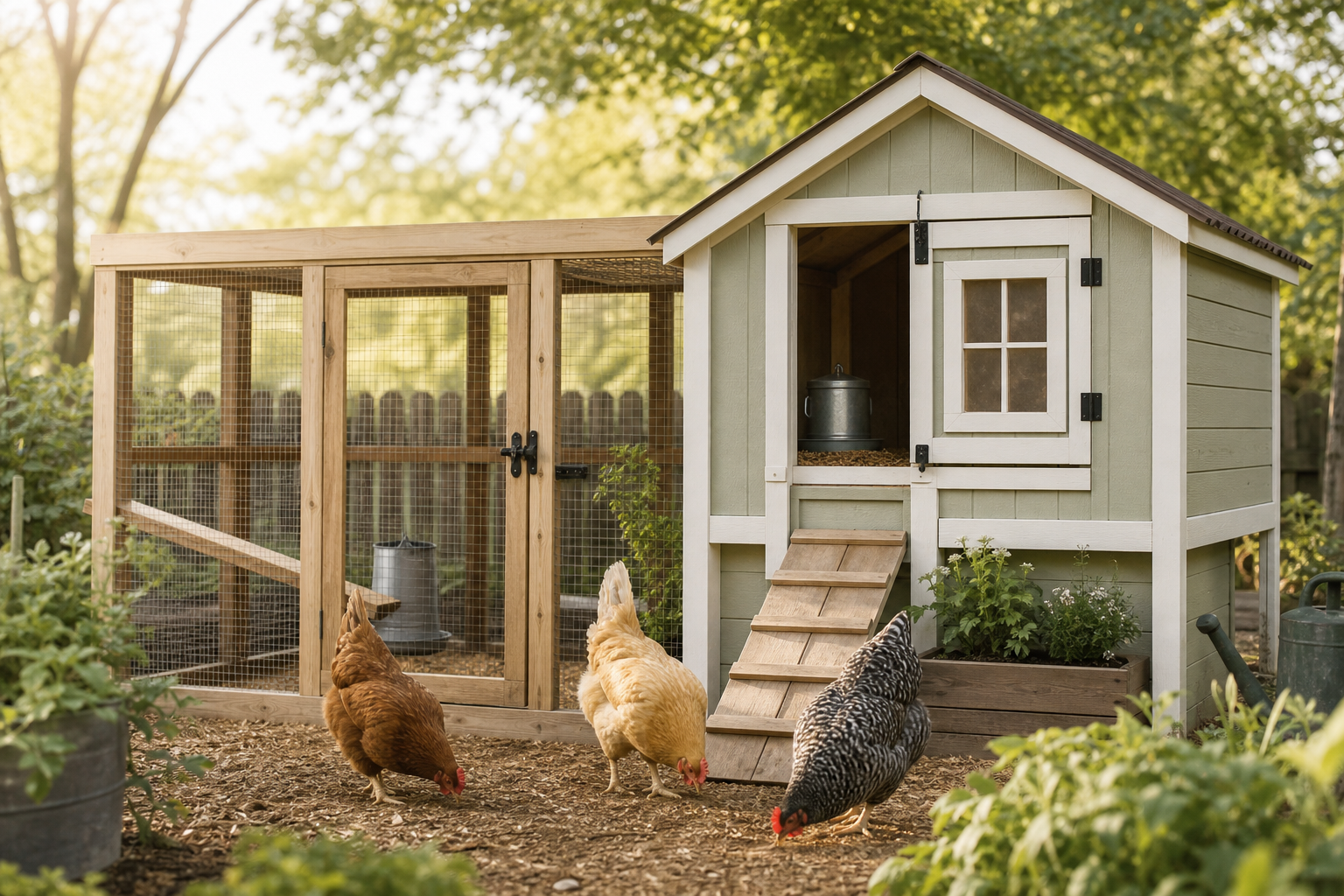
Decide what success looks like
Eggs for the kitchen, pets that happen to lay, or a teaching project for kids are different workloads. Dual-purpose beginners still need the same basics: secure housing, complete feed, and a plan for illness and predators. If you only want eggs and hate chores, buy eggs. Chickens repay consistency more than enthusiasm.
Legal and neighbor reality
University backyard-flock guides repeat the same first step: check local ordinances and HOA rules. Limits on flock size, rooster bans, setbacks, and manure rules are common. Talking with neighbors before the first crow or dust bath smell is not optional social polish. It is risk management.
Housing before chicks
Build for predators and moisture, not Instagram. Screen openings with hardware cloth, not chicken wire alone. Plan high ventilation without roost drafts. Size indoor and run space before you fall in love with a breed photo. Start here:
- Hardware cloth for chicken coops
- Chicken coop ventilation
- Chicken coop size calculator
- Nesting boxes per chicken
- Chicken coop bedding
If chicks are still in your future, finish brooder readiness first: brooder temperature, heat lamp duration, and when chicks can go outside.
Feed without overcomplicating it
Use a complete commercial feed matched to age. Starter for chicks, grower for adolescents, layer when birds are near lay or have laid the first egg. High-calcium layer rations are for layers, not for growing pullets. Details and the calcium warning live in layer feed vs grower feed. Water is still the nutrient birds cannot skip.
A boring daily rhythm
Open the coop, check water, glance for a bird that looks off, collect eggs, notice wet litter or broken shells. Weekly, scrape wet spots, check latches, and walk the fence line. Dust baths help feather comfort: chicken dust bath. Free-range tradeoffs are real: chicken free range.
First-year risks worth planning
Predators fail soft openings at night. Heat stress looks like panting and wings out. Cold problems are often damp coops more than raw thermometer fear. Use the seasonal and predator guides when those seasons arrive rather than cramming every scenario into week one.
Choosing a starter flock without breed rabbit holes
Beginners do well with calm dual-purpose or brown-egg hybrid hens from a reputable hatchery or local breeder. Fancy crested breeds and flighty layers can wait until your housing and routine are boring. Start with pullets near lay if you want eggs sooner, or chicks if you want the full brooder education and have heat ready.
Skip roosters until you know your ordinances and noise tolerance. Plan feed storage rodent-proof from day one. Budget for hardware cloth, not only the cute coop kit that arrived with chicken wire panels. If predators are active where you live, read the predator guides before the birds sleep in a temporary pen “just for a week.”
Write a one-page care sheet: who opens the coop when you travel, where the spare waterer is, which vet or experienced keeper you would call. Chickens are livestock with pet energy. Continuity planning is part of beginner competence.
What the first month should feel like
Quiet mornings, dry litter, birds that sound conversational rather than frantic, eggs that show up in boxes instead of corners. If you are constantly improvising heat, latches, or muddy lakes under the waterer, slow down purchases and fix infrastructure. Use Learn’s deep pages as the manual instead of stacking social media hacks.
Keep a short written checklist on the coop door for the first month: water full, latch clicked, eggs collected, litter dry under roosts, one welfare glance. Habit beats heroics.
Common mistakes
- Buying chicks before the coop is predator-proof.
- Skipping zoning checks and discovering roosters are banned later.
- Feeding layer ration to immature pullets.
- Using chicken wire as the predator layer.
- Treating treats as a diet instead of a complete feed.
- Ignoring water on hot days because the feeder still looks full.
FAQ
How many chickens should a beginner start with?
Often three or four hens so birds have a social group without overwhelming housing. Confirm local limits first.
Do I need a rooster for eggs?
No. Hens lay without a rooster.
What costs the most?
Usually secure housing and time, not the purchase price of the birds.
Can I free-range from day one?
Not as a substitute for a secure coop and run. Read the free-range tradeoff guide.
Where should I go next on Flockline Learn?
Hardware cloth, ventilation, brooder tools, then feed-stage and seasonal guides as needed.
Sources and further reading
- University of Georgia Extension: Management Guide for the Backyard Flock (C969 PDF)
- University of Maryland Extension: Raising Your Home Chicken Flock (EB-409 PDF)
- Utah State Extension: Raising Backyard Chickens hub
- Oregon State Extension: How to feed your laying hens (PNW 477)
- Oklahoma State Extension: Backyard Flock Production